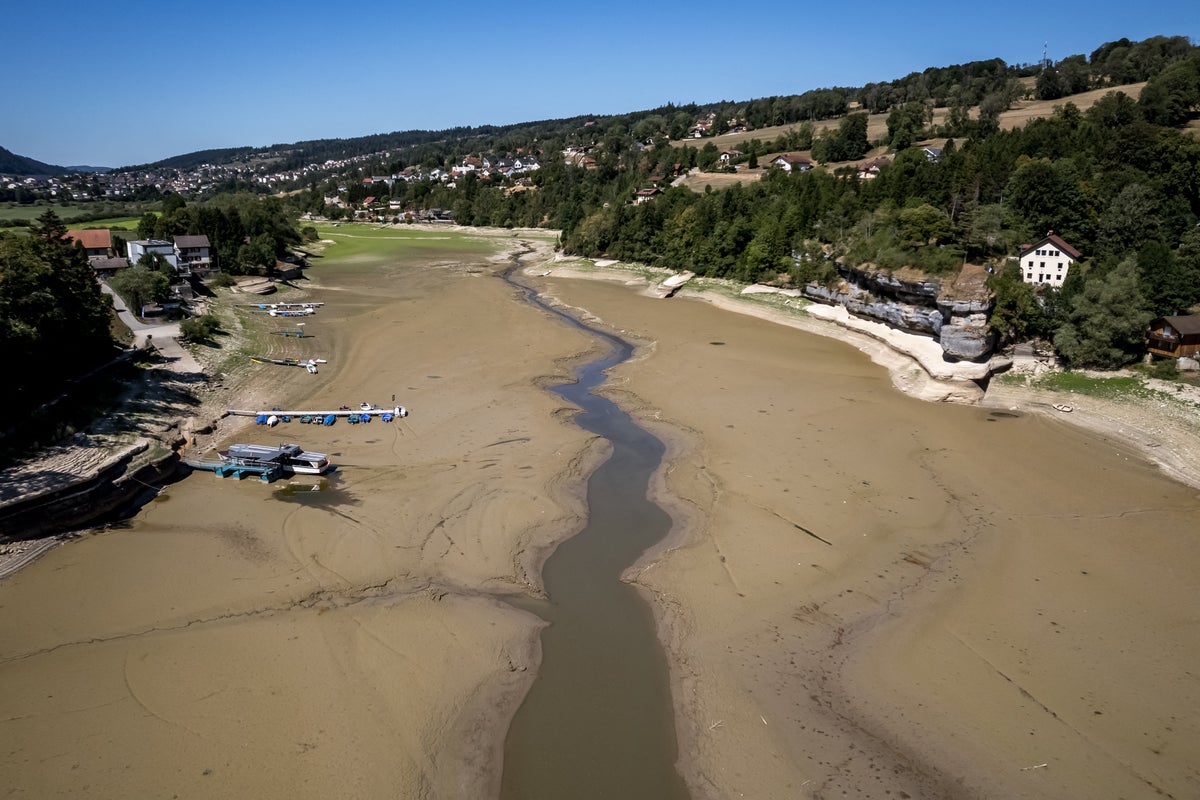
Tourist traps love a good aesthetic. They sell you a dream of crystal-clear water, iconic landmarks, and peaceful shores. Then reality hits. Extreme heatwaves and shifting climate patterns are rewriting geography in real-time. If you have ever seen photos of that haunting church steeple rising out of an alpine reservoir, you know Lago di Reschen. It is famous. It is deeply photogenic. It also recently vanished into a muddy puddle.
Visitors show up expecting postcard perfection and find cracked earth instead. That disconnect exposes a massive blind spot in modern travel culture. We consume places as digital assets rather than living ecosystems.
The Reality Behind the Viral Photos
Lago di Reschen sits in South Tyrol, Italy, right near the Swiss and Austrian borders. Tourists call it an Instagram-famous lake. They grab shots with the 14th-century submerged bell tower of Curon pointing toward the sky. It looks magical. It feels timeless.
It is completely artificial.
Back in 1950, engineers flooded several villages to build a massive hydroelectric dam. Residents lost their homes. The bell tower is all that remains above water. But water levels fluctuate wildly based on human management and weather extremes. Brutal heatwaves and low winter snowfall across the Alps drain these reservoirs faster than glaciers can replenish them.
You cannot view these landscapes through a purely aesthetic lens. When a lake dries up, it signals severe agricultural strain, dying alpine flora, and desperate energy grid management. Southern Europe faces recurring droughts that hit local farmers hard. The reservoir drops because the surrounding towns need that water for crops and electricity. Aesthetics take a back seat to survival.
What Travelers Get Wrong About Alpine Tourism
People think nature simply heals itself or stays locked in a permanent state of vacation-ready beauty. That is false. Alpine regions warm at twice the global average. Glaciers feeding these basins are shrinking year over year.
When you plan a trip to see iconic European bodies of water, you need to check local reservoir levels. Do not assume full pools are a permanent guarantee.
- Check regional water authority updates before booking transport.
- Support local businesses that practice water conservation.
- Understand that low water levels often mean local communities are rationing resources.
Honesty matters here. Visiting these spots during severe dry spells can feel underwhelming. Mud replaces turquoise water. The smell of decaying organic matter replaces fresh mountain air. Instead of running away disappointed, use the moment to learn about regional water politics.
The Broader Impact on Border Communities
Reschen is not an isolated incident. Across the Alps, water scarcity transforms local economies. Power companies balance electricity generation against agricultural needs. Farmers in the Adige valley rely on this runoff. When the basin shrinks, crop yields drop.
Local tourism boards try to spin low water levels as a chance to see historical ruins normally hidden underwater. Foundations of old houses emerge from the silt. It draws dark tourism crowds. People poke around fragile mud flats, leaving trash behind. That adds insult to injury for residents already dealing with environmental stress.
Respect the land. If a site suffers from extreme weather, treat it with care.
How to Travel Responsibly in an Era of Extremes
Stop chasing static postcard images. Nature moves. Climate shifts. Water vanishes.
If you head out to see alpine borders and glacial lakes, pack reusable gear, minimize your own water footprint, and listen to local guides. Pay attention to drought warnings. Do not trespass on exposed lakebeds where ancient foundations sit vulnerable to erosion and looting.
Change how you experience the world. Look past the filter and face the actual environment.