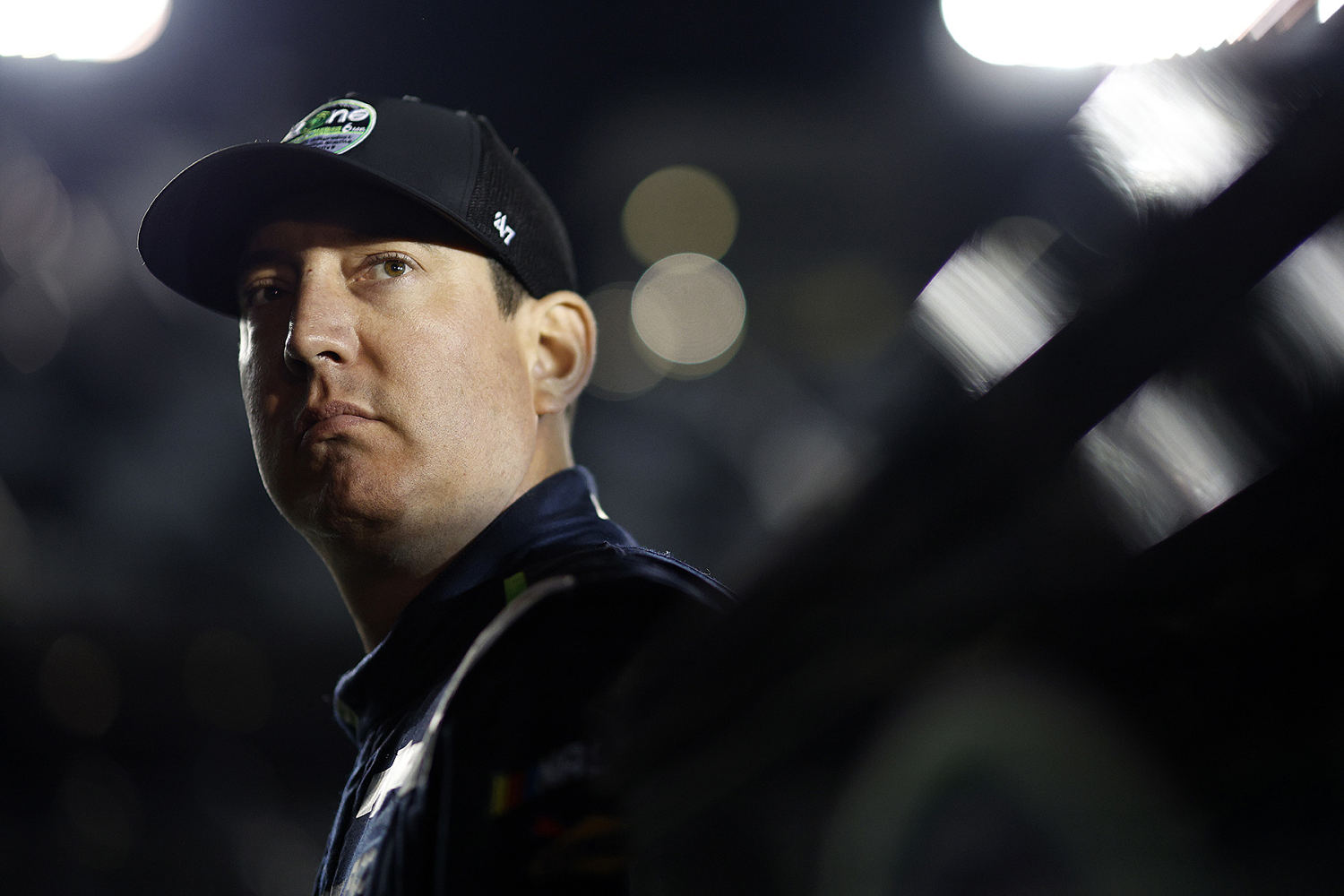
The racing world is still reeling from the sudden loss of two-time NASCAR Cup Series champion Kyle Busch at just 41 years old. It doesn't make sense. One week he is winning a Truck Series race at Dover, and the next, the garage area is empty without its fiercest competitor. While the Busch family and Richard Childress Racing have asked for privacy regarding the exact cause of death, a newly released 911 dispatch tape sheds a brutal, necessary light on the final hours of the future Hall of Famer.
The audio reveals a harrowing scene inside the General Motors training facility in Concord, North Carolina. On Wednesday, May 20, 2026, a caller contacted emergency services from the simulator complex. Kyle Busch was on the bathroom floor. He was unresponsive during testing, severely overheating, struggling to breathe, and coughing up blood. By Thursday, he was gone. For a deeper dive into this area, we suggest: this related article.
It is easy to get caught up in the shocking nature of a emergency call, but looking closely at the timeline shows this wasn't an isolated, out-of-the-blue incident. The reality is that Busch had been dropping public hints about a worsening health crisis for nearly two weeks, raising massive questions about the physical toll of modern stock car racing.
The Chilling Specifics of the Concord Emergency Call
The emergency call from the GM facility is tough to listen to, even if the unidentified caller remained remarkably steady. According to audio provided by the Cabarrus County Sheriff's Office, responders were summoned late Wednesday afternoon. For additional information on this topic, extensive analysis can also be found on NBC Sports.
"I've got an individual that's [got] shortness of breath, very hot, thinks he's going to pass out, and is producing a little bit of blood, coughing up some blood," the caller told dispatchers.
Busch was conscious but weak, lying on the floor. In a detail that shows just how frantic the situation inside the facility was, the caller requested that arriving paramedics turn off their sirens as they approached. Medics rushed Busch to a hospital in Charlotte.
This medical emergency happened while Busch was putting in work inside Chevy's high-tech racing simulator, preparing for the grueling Coca-Cola 600 at Charlotte Motor Speedway. The simulator mimics the intense, exhausting conditions of the actual track. For a driver already fighting a severe internal ailment, that environment proved to be a breaking point.
Connecting the Dots of a Lingering Illness
If you went back and listened to Busch's team radio communications over the previous weeks, the warning signs were already there. On May 10, during the Cup Series race at Watkins Glen International, Busch radioed his crew with a strange, urgent request near the end of the event. He asked them to track down Dr. William Heisel so he could see him the exact second he climbed out of the car.
At the time, TV broadcasts chalked it up to a severe sinus cold. Road courses like Watkins Glen require constant muscle output, heavy braking, and intense G-forces, all while trapped inside a cockpit that can easily exceed 130 degrees Fahrenheit. Fighting a respiratory infection under those conditions is brutal.
Six days later, ahead of the All-Star Race on May 17, Busch spoke with reporters and admitted the illness wasn't letting go. He noted that he still felt terrible and described his lingering cough as "pretty substantial." Despite feeling awful, he did what he always did. He raced. He finished 17th in the All-Star event, showing the stubborn grit that defined his entire career. But internally, his body was failing.
Understanding the Internal Toll of Racing Sick
While NASCAR executives like CEO Steve O'Donnell have rightly declined to comment on the official autopsy results out of respect for Samantha Busch and the children, medical experts point out that ignoring severe respiratory issues while driving can lead to catastrophe.
Coughing up blood, technically known as hemoptysis, combined with severe overheating and gasping for air, signals deep physiological distress. It can stem from acute cardiovascular issues, severe untreated pneumonia, or a pulmonary embolism. When you throw a driver into a simulator or a race car with a compromised respiratory system, the extreme heat and dehydration accelerate the danger.
Drivers are athletes, but they operate under a culture where you don't sit out for a cold. You push through. Busch's tragic timeline shows that sometimes, pushing through is the exact wrong move.
A Massive Void in Rowdy Nation
The loss leaves a staggering deficit on the grid. Busch wasn't just a driver; he was an institution. With 63 Cup Series wins and a record-shattering 234 total victories across NASCAR's top three national series, he was arguably the most talented stock car driver of the modern era.
The garage is quiet. Fellow competitor Christopher Bell noted how completely normal Busch seemed just days prior to his passing, calling the reality of his absence a "gut-wrenching feeling."
NASCAR has promised transparency in due time, and the racing community deserves answers. Not to satisfy morbid curiosity, but to ensure that driver health screenings and the culture surrounding racing through severe illnesses are completely re-evaluated. If Kyle "Rowdy" Busch can be brought down by a sudden health crisis at the peak of his physical fitness, it means every single driver on that pit road is vulnerable.
The next immediate step for NASCAR, team owners, and the drivers themselves is clear. The sport needs to shift away from the old-school mentality that driving through severe medical distress is a badge of honor. Clearer protocols for simulator and track clearance when a driver is battling an active respiratory infection must be established. Until those systemic changes happen, the garage remains at risk of repeating a tragedy nobody saw coming.