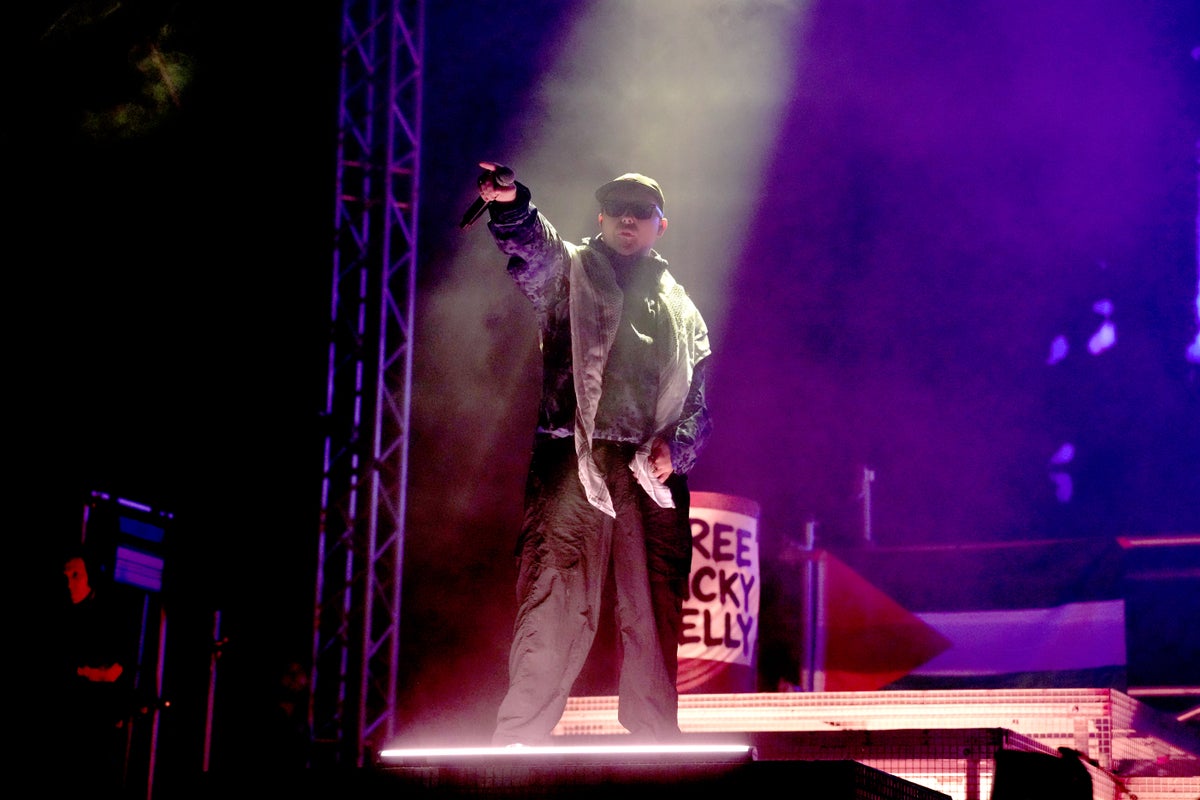
When the West Belfast hip-hop trio Kneecap stepped up to headline the Reading Festival, they did not simply perform a concert; they executed a calculated masterclass in modern cultural provocation. Amid heavy basslines and a massive Palestinian flag draped directly over the DJ decks, rapper Mo Chara addressed tens of thousands of muddy festivalgoers before spitting out an explicit denunciation of Israeli Prime Minister Benjamin Netanyahu, quickly followed by a chanted insult directed at British political figures. It was raw, unscripted chaos to the casual observer. To anyone tracking the structural mechanics of modern counter-culture, it was a precision strike executed exactly as planned.
Music festivals have long served as comfortable playgrounds for sanitized rebellion, where corporate-sponsored headliners mouth vague anti-establishment slogans before retreating to luxury trailers. Kneecap operates on an entirely different operational frequency. By fusing raw republican agitprop from West Belfast with modern electronic hip-hop, the group has transformed every international stage into a geopolitical flashpoint. They are not the first musicians to mix politics with performance art, but they have engineered a rare alchemy where state scrutiny, tabloid outrage, and legal threats only amplify their commercial momentum.
Understanding why this strategy works requires looking past the predictable pearl-clutching in the British press. When the trio invokes the history of Irish displacement to draw parallels with Palestinian suffering under Israeli military action, they are tapping into a deeply rooted, trans-national language of anti-colonial resistance. This messaging is not an accidental byproduct of their sets; it is the core product. For a generation of young gig-goers alienated by institutional neutrality on foreign policy, Kneecap offers a rare commodity: absolute, unvarnished conviction.
The backlash from political establishments follows a predictable, loop-like trajectory. British authorities and conservative commentators routinely attempt to censor or penalize the group, citing everything from alleged support for proscribed organizations to breaches of event protocols. Yet every attempt to silence them provides oxygen to their brand. Court cases are thrown out, headlines multiply, streaming numbers climb, and festival organizers find themselves trapped between public demand and political pressure. Kneecap relies on this friction. Without the opposition of the very establishment they mock, their anti-authoritarian posture would lose its teeth.
Critics often dismiss these stadium rants as cheap shock tactics designed for viral clips on social media feeds. That dismissal ignores the historical lineage from which the group emerges. West Belfast has spent decades turning music, murals, and street-level defiance into tools of political survival. Translating that localized tradition into a headline slot at an English music festival creates a profound cultural collision. When thousands of English teenagers chant vulgarities about politicians under the banner of a Palestinian flag, the geographic and cultural boundaries designed to keep political dissent neatly quarantined begin to dissolve.
This dynamic exposes a deeper vulnerability within the modern entertainment complex. Cultural institutions want the edgy, counter-cultural aesthetic of rebellion without the messy, real-world consequences of actual political alignment. Festivals market themselves on the spirit of freedom and non-conformity, yet panic the moment an artist refuses to keep the politics abstract. Kneecap exposes the limits of that corporate tolerance by refusing to separate their art from their geopolitics. They force promoters, journalists, and fans to pick a side, turning a routine Sunday night music slot into an unavoidable referendum on free speech and foreign policy.
The true impact of their performance at Reading lies not in the shock value of the words themselves, but in how seamlessly outrage has been monetized into cultural dominance. As long as western governments remain deeply entangled in contentious foreign conflicts while domestic living standards slide, artists who channel that collective fury will find an eager audience. Kneecap did not invent the collision between pop culture and political protest, but they have weaponized it with a precision that leaves mainstream media scrambling to keep up.
The microphones are packed away, the festival grounds are emptying out, and the political establishment is left nursing yet another self-inflicted PR wound while trying to figure out how to handle a band that treats institutional disapproval as free advertising.