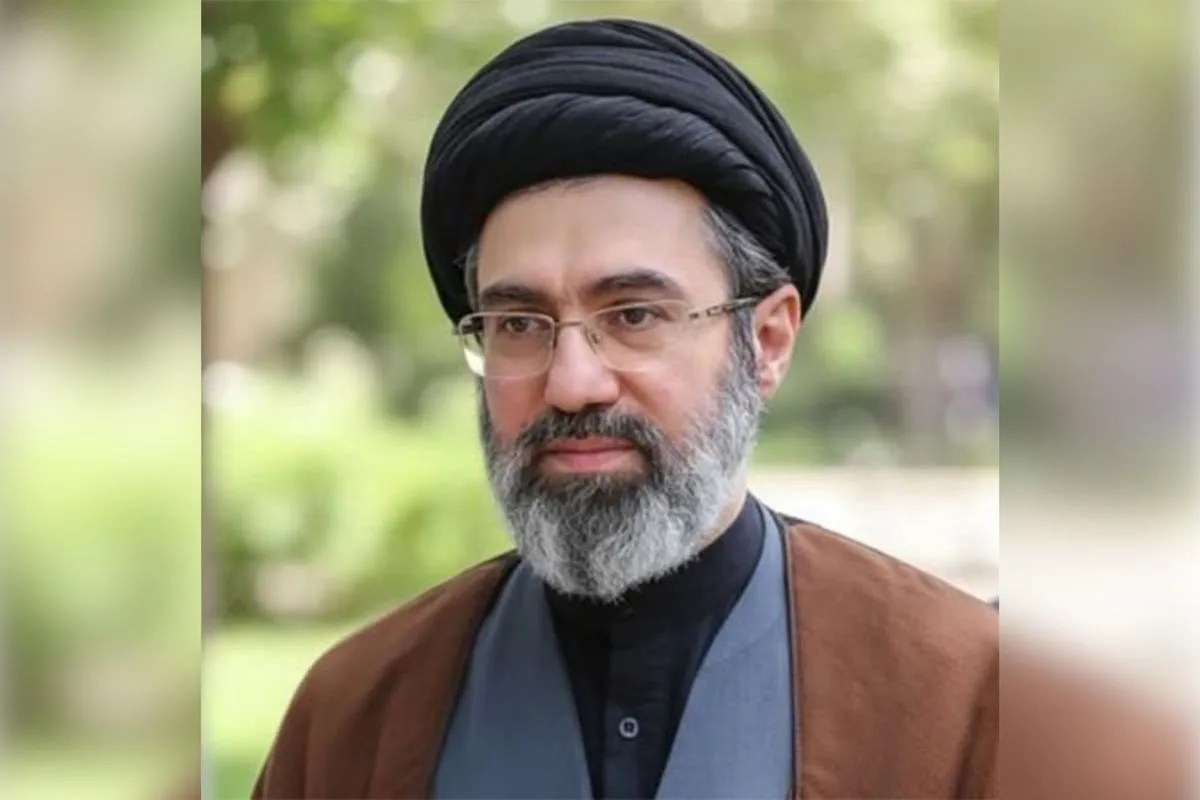
Every single international desk outside Tehran is currently hyperventilating over a routine piece of administrative bureaucracy. When news breaks that Ali Khamenei has slotted six new figures into top military command slots amid rising regional friction, the pundit class treats it like a tectonic shift in Middle Eastern geopolitics. Headlines scream about radical escalations, new doctrines, and structural pivots.
They are missing the plot entirely.
I have spent decades watching foreign policy analysts read tea leaves that are nothing more than standard ink blots. This isn't a bold new blueprint for regional dominance. It is institutional muscle memory dressed up as a crisis.
The Lazy Consensus on Military Musical Chairs
The dominant narrative goes like this: Khamenei is preparing for total war, so he is clearing out old guards and installing hardline loyalists to execute an aggressive offensive posture.
It sounds thrilling. It makes for great television segments and urgent morning newsletters. It is also fundamentally lazy.
Iran's military architecture does not function like a Western corporate hierarchy where a new CEO comes in and guts the C-suite to pivot the business model. The Islamic Revolutionary Guard Corps and the regular armed forces operate on an entrenched doctrine of asymmetric deterrence, survival, and institutional redundancy. Swapping out a commander at the top of a regional logistics or defense portfolio does not rewrite a playbook that took forty years to institutionalize.
Think of it this way. Imagine a massive, decades-old ocean liner navigating a narrow strait. Swapping the first mate doesn't change the draft of the ship or the depth of the water. The structural constraints remain identical.
The Myth of the Structural Pivot
Let us define terms properly, because sloppy terminology breeds sloppy thinking. When analysts use words like restructuring or overhaul in the context of Iranian command changes, they imply that the underlying mechanics of power are shifting.
They are not.
The core operational philosophy relies on decentralized proxy networks, missile deterrence, and deep defensive staging. These are not dependent on the personal whims of a single commander sitting in a newly assigned seat. They are baked into the ideological and financial machinery of the state.
When new appointments happen, the standard assumption is that ideological purity has triumphed over competence. That is a false dichotomy. In systems like this, ideological alignment is the primary metric of operational security, not a secondary constraint. The people stepping into these six roles are not rogue elements brought in to break the mold. They are career bureaucrats of the security state who know how to keep the machinery humming without rocking the boat.
Dismantling the People Also Ask Fallacy
If you look at search queries and trending questions surrounding this topic, you see a predictable pattern. People ask:
- Will these new commanders start a direct war?
- Does this mean Khamenei is losing control of the military?
- Are these appointments a sign of weakness or strength?
Every single one of these questions is flawed because it assumes a centralized, linear relationship between leadership titles and tactical outcomes.
Direct war is bad for business, bad for regime survival, and antithetical to the doctrine of forward defense through proxies. Moving pieces around a chessboard doesn't change the rules of the game. Khamenei is not losing control; maintaining tight, predictable control through routine rotations is the entire point. Viewing these shifts as signs of either fatal weakness or imminent apocalypse is a category error. It is Tuesday in Tehran, scaled up for global consumption.
The Real Risk Everyone is Ignoring
While the media focuses on the names on the organizational chart, they ignore the actual friction points. The real vulnerability in Iran's military setup has never been the identity of the regional commanders. It is the strain on supply chains, internal economic rot, and the friction between maintaining massive regional expenditures and keeping domestic unrest at bay.
You can appoint fifty new commanders, but none of them can print foreign currency or magically shield infrastructure from systemic economic decay. That is where the actual pressure lives. Fixating on command appointments is a coping mechanism for analysts who understand military titles better than they understand balance sheets and civil unrest.
Stop looking at the uniform. Start looking at the ledger.
The next time an international flashpoint produces a flurry of announcements about new titles and reshuffled commands, remember what is actually happening. It is a system preserving itself, not transforming itself.
The commanders change. The calculus does not.


