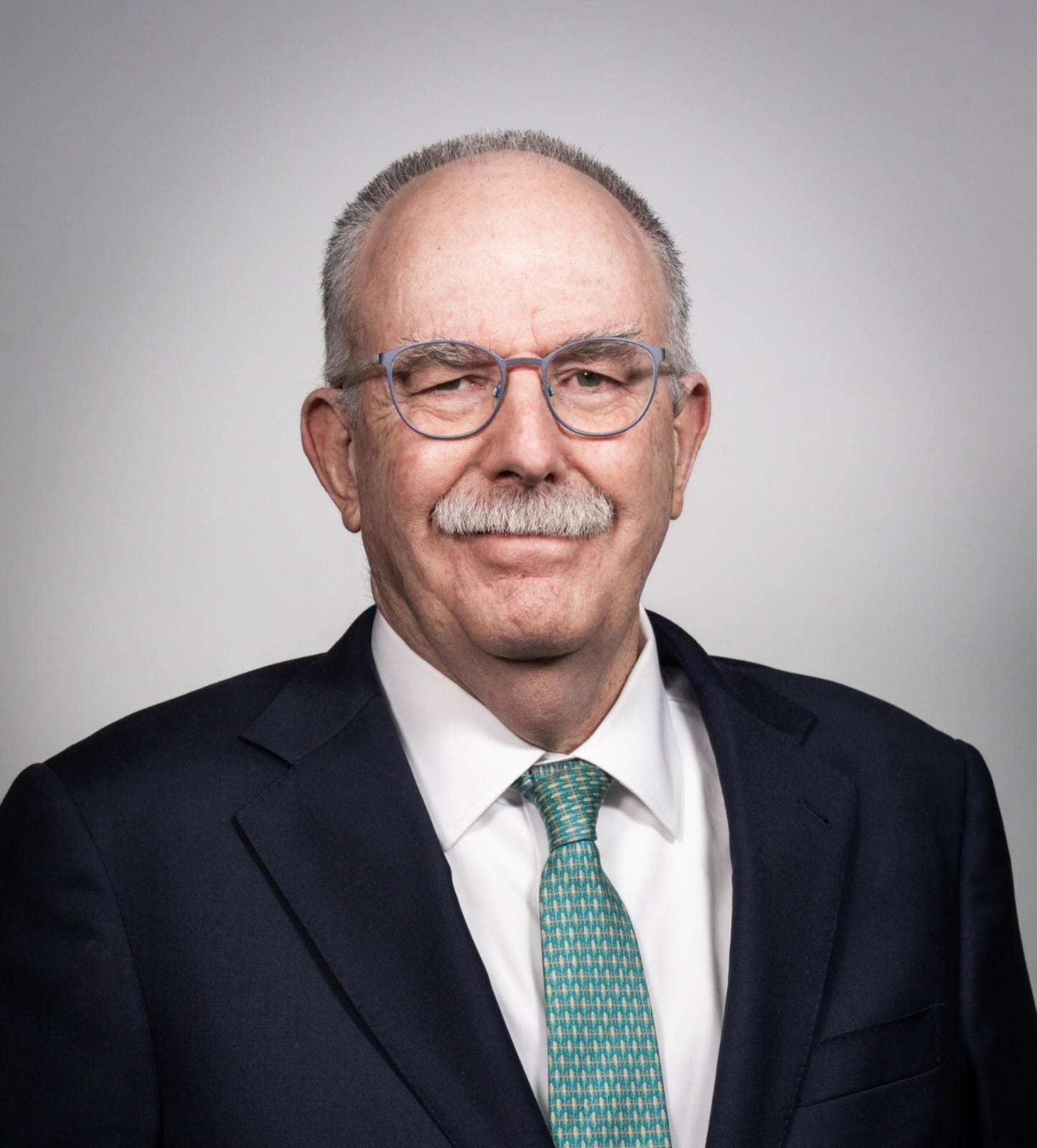
Cambodia’s legal system just doubled down on a 27-year sentence for Kem Sokha, and honestly, nobody’s surprised. The Phnom Penh Appeal Court's decision on April 30 to uphold the treason conviction of the former opposition leader feels like the final nail in the coffin for pluralist politics in the country. If you’ve been following this saga since Sokha was hauled out of his home in a midnight raid back in 2017, you know the script. The charges are thin, the "foreign collusion" claims are directed squarely at the United States, and the timing always seems to coincide with the ruling party’s need to sweep the board.
The US State Department didn't waste time. On May 1, they released a statement saying they're "troubled" by the ruling. That’s diplomatic speak for "we’re furious but restricted." They also called the allegations of American involvement in a coup plot "patently false and irresponsible." It’s a messy situation that puts Washington in a tough spot—trying to maintain a relationship with a strategically located Southeast Asian nation while that same nation uses the US as a boogeyman to jail its rivals.
The 27 Year Sentence That Wont Go Away
Kem Sokha is 72. A 27-year sentence isn't just a prison term; it’s a life sentence. While he’s currently under house arrest rather than behind bars in a cell, the restrictions are absolute. He’s banned from politics for life. He can't vote. He can't even leave the country—a new five-year travel ban was tacked on during this latest appeal.
The "evidence" for his treason? A video from 2013. In it, Sokha gave a speech in Australia discussing peaceful, grassroots strategies for democratic change. The Cambodian government claims this is proof of a "color revolution" backed by the CIA. I’ve seen the footage. If talking about how to win an election through community organizing is treason, then every political consultant in DC should be in handcuffs.
A Decimated Opposition
You have to look at the broader picture to see why this matters so much right now. The Cambodia National Rescue Party (CNRP), which Sokha co-founded, was the only real threat the ruling Cambodian People's Party (CPP) ever faced. In 2013, they nearly won. By 2017, the government decided they’d had enough. They dissolved the party, arrested Sokha, and sent his partner Sam Rainsy into exile.
Since then, it’s been a one-party show. Even though Hun Sen handed the Prime Minister's seat to his son, Hun Manet, in 2023, the playbook hasn't changed. The old guard still pulls the strings. Just this week, 33 other activists and social media users were convicted in a separate case for "incitement." Their crime? Commenting on a development project involving Vietnam and Laos. The message is clear: if you speak up, you’re next.
Why the US Reaction is More Than Just Talk
When the State Department says they're "troubled," it usually sounds like empty rhetoric. But for Cambodia, these statements have real-world stakes. Cambodia benefits from the Generalised System of Preferences (GSP) and "Everything But Arms" (EBA) trade deals. These allow their garment industry—the backbone of their economy—to export to Western markets with low or zero tariffs.
The West has already started chipping away at these privileges. By upholding Sokha’s conviction, the Cambodian judiciary—which rights groups like Amnesty International and Human Rights Watch argue is anything but independent—is practically daring the US and EU to tank the Cambodian economy. It's a high-stakes game of chicken.
- Trade Sanctions: The EU has already partially withdrawn EBA benefits.
- Visa Restrictions: The US has previously slapped visa bans on officials involved in "undermining democracy."
- Diplomatic Isolation: Cambodia is leaning harder into its relationship with China as a shield against Western pressure.
The China Factor
You can't talk about Cambodia without talking about Beijing. As the US expresses "concern," China provides "investment." This divide is why the CPP feels comfortable ignoring the State Department. If the West pulls out, China fills the gap with infrastructure projects and no-strings-attached loans.
But this pivot has costs. It makes Cambodia a lightning rod in the US-China rivalry. The US is particularly worried about the Ream Naval Base, which they suspect will give China a strategic foothold in the Gulf of Thailand. By accusing the US of "conspiring" with Kem Sokha, the Cambodian government isn't just winning a domestic court case; they're signaling their loyalty to a different superpower.
What Happens to Kem Sokha Now
Sokha has one month to appeal to the Supreme Court. Don’t hold your breath for a different outcome. The Chief Justice of the Supreme Court is a member of the CPP’s permanent committee. In Cambodia, the line between the executive and the judiciary isn't just blurry—it doesn't exist.
So, where does this leave you if you care about human rights or regional stability?
- Watch the Trade Deals: If the US moves to fully revoke trade preferences, expect the rhetoric from Phnom Penh to get much more aggressive.
- Follow the Activists: Kem Sokha is the big name, but the 33 activists sentenced this week represent the future of Cambodian dissent. If they're silenced, there’s no one left to pass the torch to.
- Pressure for Clemency: Historically, Hun Sen has used a "squeeze and release" tactic—crack down hard, then offer a royal pardon when international pressure gets too hot or he needs a trade win. Sokha’s only real hope is a pardon from King Norodom Sihamoni, which only happens if the Prime Minister gives the green light.
The "troubled" stance of the US is a placeholder. It’s a sign that the Biden-Trump transition (and whoever is at the helm in 2026) hasn't fundamentally changed the underlying tension in Southeast Asia. Democracy in Cambodia isn't just on life support; it's being actively dismantled while the world watches.
If you want to help, support organizations like the Cambodian Center for Human Rights (CCHR) or LICADHO. They’re on the ground doing the actual work of documenting these abuses while the politicians play their games. Don't let the headlines about "court decisions" fool you. This isn't law; it's theater.