Keir Starmer is staring at the exit sign, whether he wants to admit it or not. The British Prime Minister is currently trapped in a political pincer movement that looks increasingly terminal. On one side, he’s dealing with a brutal wave of local election losses that saw the Labour Party’s heartlands crumble. On the other, his own front bench is starting to disintegrate.
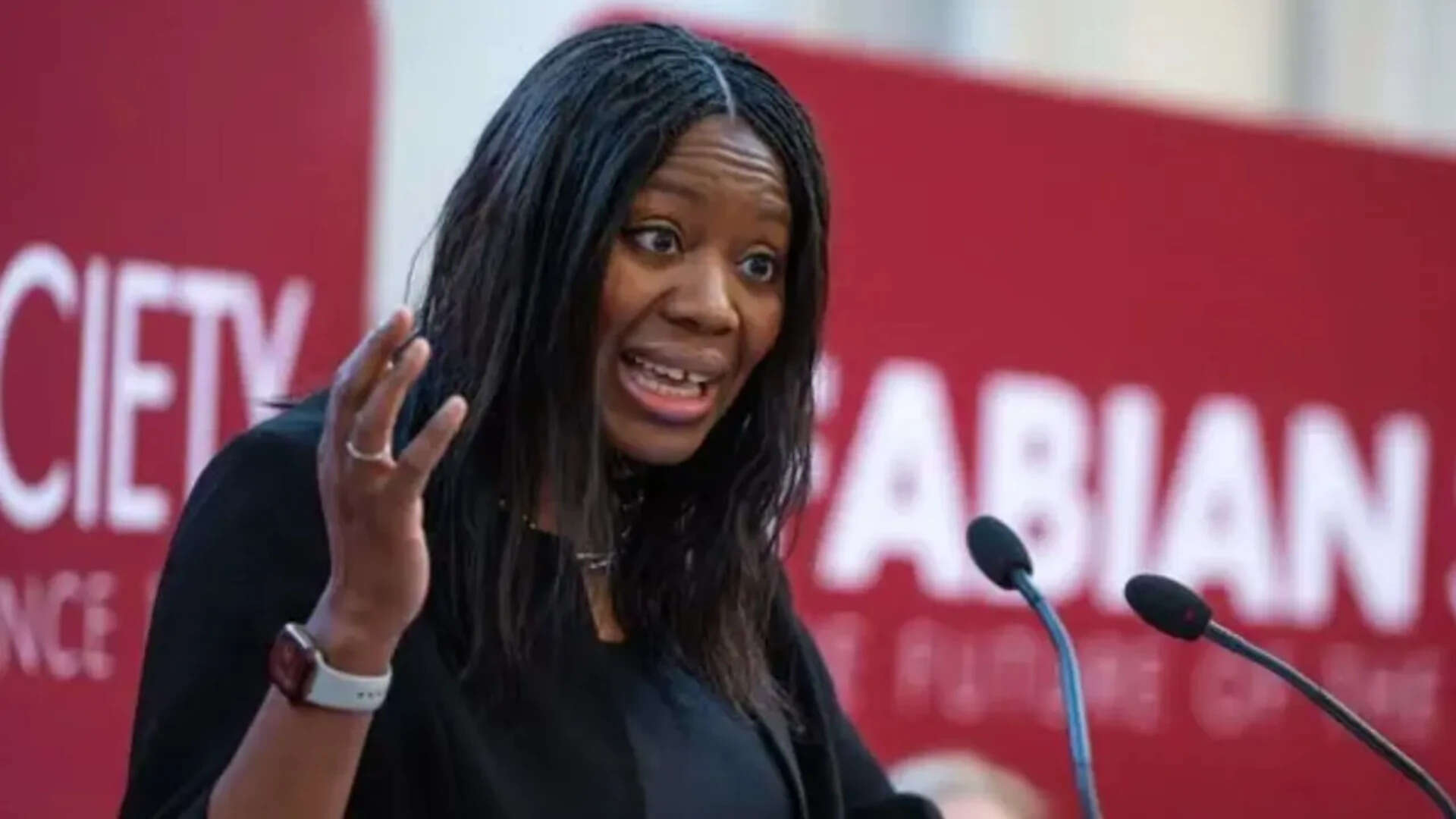
When Miatta Fahnbulleh, the junior minister for communities, walked out this Tuesday morning, she didn’t just quit. She took a flamethrower to the Prime Minister’s remaining credibility. Her message was blunt: "You have lost the trust and confidence of the public." It's the kind of line that's impossible to spin.
The first cracks in the cabinet
Fahnbulleh wasn't a peripheral figure. As a former head of the New Economics Foundation and a close ally of Ed Miliband, her departure signals that the intellectual and ideological wings of the party are checking out. She’s urged Starmer to set a timetable for an "orderly transition." That’s Westminster-speak for "please leave before we have to drag you out."
But she wasn't the only one. Jess Phillips, the safeguarding minister known for her straight-talking style, followed her out the door just hours later. Phillips’ resignation letter was even more personal. She told Starmer she thinks he’s a "good man" but essentially argued that being a "good man" doesn't matter if you can't actually lead.
The numbers are getting ugly. Around 80 Labour MPs are now openly calling for Starmer to resign or at least name his departure date. In a party with over 400 MPs, 80 might sound like a minority, but it’s a vocal, growing, and dangerous one. It’s the tipping point where a leader stops governing and starts merely surviving.
Why the public turned so fast
Politics is usually a slow burn, but Starmer’s descent feels like a freefall. The local election results weren't just "disappointing"—they were a bloodbath. Labor got hammered in the north, and while they were losing ground, the Reform UK party surged. People aren't just tired of the status quo; they're actively looking for an alternative, and they've decided Keir isn't it.
There are three big reasons this trust evaporated:
- The Winter Fuel Payment: Scrapping this was a PR nightmare that hasn't stopped haunting the Treasury. It painted the government as out of touch with vulnerable voters.
- The Mandelson Factor: The appointment of Peter Mandelson as ambassador to the United States sparked internal fury. His past connections, specifically regarding Jeffrey Epstein, became a massive stick for the opposition to beat the government with.
- The "Change" Deficit: Starmer won on a platform of "Change," but many voters feel they just got a different flavor of the same austerity and stagnation.
A defiant Prime Minister in a bunker
Despite the chaos, Starmer is digging in. On Monday, he gave a speech at Coin Street in London where he vowed to "prove the doubters wrong." He told his Cabinet on Tuesday that the country expects them to "get on with governing."
It's a classic bunker mentality.
He’s betting that because the formal leadership challenge process hasn't been triggered yet, he can wait out the storm. Under Labour rules, 20% of the party’s MPs (about 81 people) need to back a challenger to force a contest. With roughly 80 MPs already calling for him to go, he’s essentially one signature away from a full-blown coup.
Darren Jones, the Chief Secretary to the Treasury, has been sent out to do the media rounds. He's doing his best to sound loyal, but even he's sounding shaky. When asked if Starmer would lead the party into the next general election, Jones didn't say "yes." He said he wasn't going to "get ahead of any decision." That’s the sound of a man who knows which way the wind is blowing.
The King's Speech and the September deadline
The timing couldn't be worse. Tomorrow is the State Opening of Parliament. King Charles III will stand there and read the King’s Speech, outlining the government’s legislative agenda. It’s supposed to be a moment of strength and vision. Instead, it’ll likely be overshadowed by the sound of more resignation letters hitting the mat in Downing Street.
Some rebels, like Catherine West, have suggested a compromise: Starmer stays until September to allow for a "dignified" exit. This would avoid a chaotic leadership race during the summer but lets the party start the autumn with a fresh face.
If you're watching this from the outside, you should keep an eye on two people: Wes Streeting and Andy Burnham. Streeting is already being accused by some, like John McDonnell, of plotting a coup. Burnham, the Mayor of Manchester, is the perennial "king across the water" who many members still see as the party’s real hope.
What happens next
If you're wondering if Starmer can actually survive this, the answer is "maybe," but he won't be able to lead. A Prime Minister who is constantly checking his back for daggers can't pass difficult legislation or handle economic crises.
Here is how this likely plays out over the next 48 hours:
- Watch the 20% threshold: If one more MP joins the 80 currently calling for his head, the formal challenge process is live.
- The King’s Speech reaction: If the legislative agenda doesn't immediately win back the backbenchers, expect a second wave of junior minister resignations.
- The "Grey Men" visit: Usually, when it gets this bad, senior party figures (the "men in grey suits") visit the PM to tell him it's over. If he doesn't listen to Fahnbulleh, he might listen to them.
Keep an eye on the 1922 Committee style dynamics within Labour. If the cabinet heavyweights like John Healey (who is currently supporting him) start to waver, Starmer’s time in Number 10 isn't measured in months anymore—it’s measured in days.
Don't buy the "business as usual" line coming from Downing Street. The government is paralyzed, the public is angry, and the ministers are bailing. This isn't just a rough patch; it's the beginning of the end for the Starmer era.