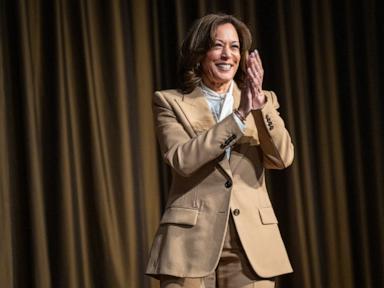
Party unity is rarely pretty, especially after a bruising primary. When former Vice President Kamala Harris stepped onto the campaign trail in Detroit to back Abdul El-Sayed for the U.S. Senate, it wasn't just a standard political photo-op. It was a calculated rescue mission for a fractured Democratic coalition in a state that dictates national power.
If you want to understand how modern American politics actually works, look right at Michigan. This wasn't a safe blue district where candidates can just coast on party lines. It was a high-stakes brawl where progressives, centrists, and establishment heavyweights had to swallow their pride to stop Republicans from flipping a crucial Senate seat. Let's break down why this alliance mattered, what the mainstream media missed, and how El-Sayed managed to pull it off.
The Brutal Reality of the Michigan Primary
Long before Harris endorsed El-Sayed, the Democratic primary tore the local party in two. El-Sayed, a progressive former health director for Wayne County, went up against establishment-backed U.S. Representative Haley Stevens in a contest that saw nearly $60 million in outside spending.
The primary lines were sharp. Centrist Democrats worried about electability, while progressives rallied behind El-Sayed’s push for universal health care and systemic change. To make matters heavier, outside groups like the American Israel Public Affairs Committee poured tens of millions into opposing El-Sayed due to his vocal criticism of Israeli policy.
When the dust settled and El-Sayed secured the nomination, the party faced an immediate crisis. You can't win a general election in a swing state if half your base stays home.
Why Kamala Harris Stepped In
Enter Kamala Harris. Fresh off her own grueling national run, Harris understood the assignment. Michigan was a state she lost in 2024, and Democrats couldn't afford to repeat past mistakes. By appearing with El-Sayed at a maternal and infant health roundtable in Detroit, Harris signaled to moderate and Black voters that the progressive nominee wasn't just a fringe candidate—he was the nominee of the whole party.
Critics on the right called the move desperate. Republican nominee Mike Rogers tried to paint El-Sayed as too radical for Michigan, leaning heavily into anti-establishment rhetoric. But Harris’s presence helped bridge the enthusiasm gap in Wayne County. She didn't just show up; she leaned directly into healthcare policy, reproductive rights, and community investment—issues that actually move turnout numbers in urban centers.
Navigating the Noise and Winning the General
Elections are won by addition, not subtraction. El-Sayed had to balance his progressive bona fides with the reality of winning over working-class Michiganders worried about inflation, tariffs, and economic shifts.
The general election against Rogers turned into the most expensive Senate race in Michigan history, crossing $243 million in total spending. Republicans hammered El-Sayed over his background and foreign policy stances, trying to make the election a referendum on identity rather than economics.
El-Sayed countered by keeping the focus laser-focused on material conditions. In his speeches, he repeatedly asked voters whether outside attacks on his faith were paying their gas bills or lowering the cost of prescription drugs. That populist pivot resonated. By building a massive grassroots coalition alongside heavy-hitter visits from figures like Harris and Bernie Sanders, El-Sayed managed to stitch together the disparate wings of the party.
What This Means Moving Forward
El-Sayed's victory changes the calculus for the Democratic Party heading toward 2028. For years, conventional political wisdom claimed that unapologetic progressives couldn't win tough, purple battleground states. Michigan just proved otherwise.
When establishment figures like Harris and progressive firebrands lock arms, it creates a formidable machine. Ignore the talking points and the endless pundit chatter about party civil wars. At the end of the day, political survival forces coalitions. Michigan proved that when the stakes are high enough, even bitter primary rivals can unite to lock out the opposition.
Michigan Senate midterm election live results and coverage
This video provides a firsthand look at the campaign events and joint appearances that shaped the dynamic between national Democratic figures and local candidates in Michigan.