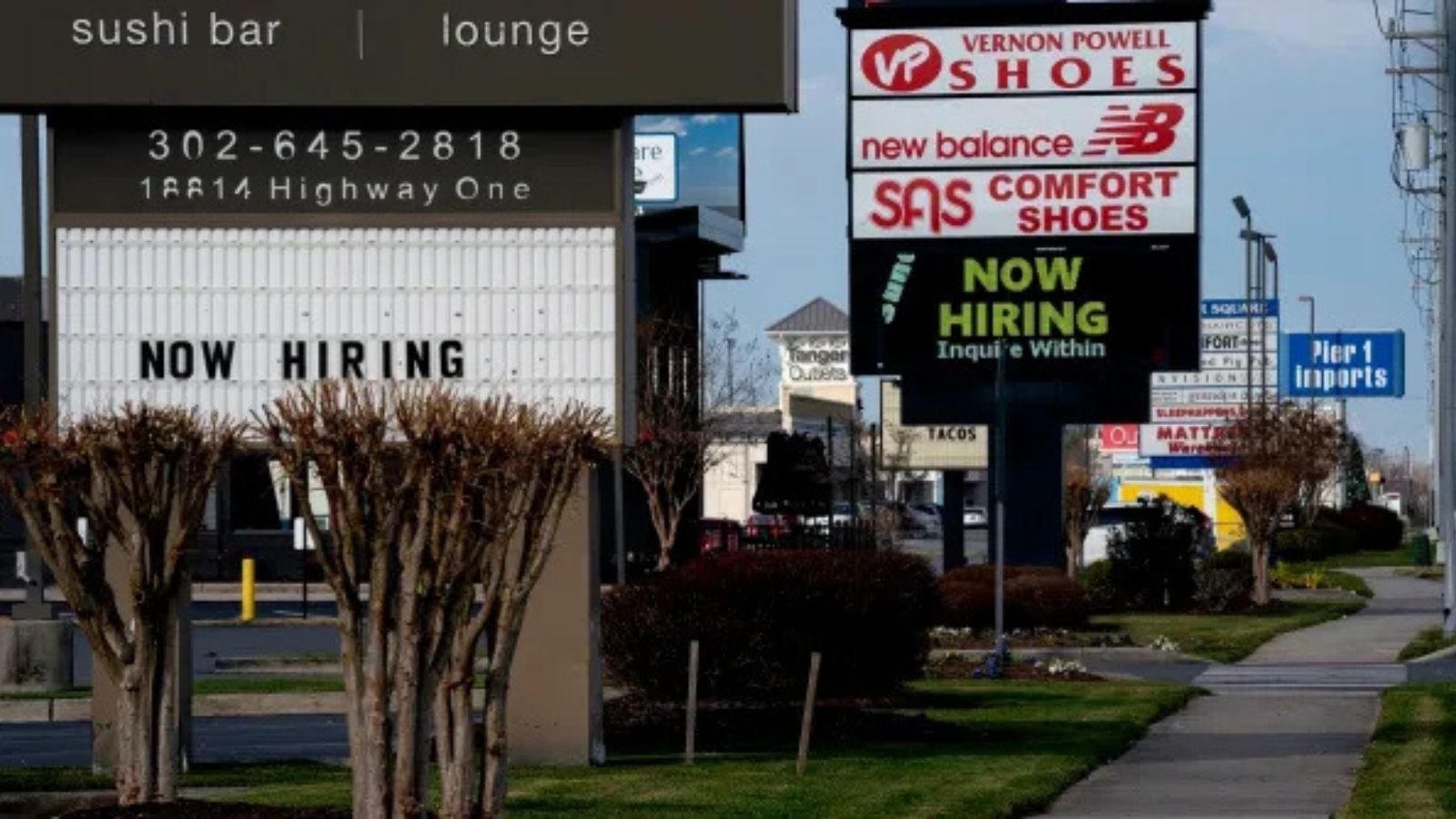
You’ve seen the headlines. The unemployment rate stays low, and according to the Bureau of Labor Statistics, companies aren't firing people. On paper, it looks like a goldmine of stability. But if you’re actually looking for a job right now, it feels more like a desert. You’re sending out hundreds of resumes and getting ghosted by "entry-level" roles that require five years of experience. This is the low-hire, low-fire trap. It’s a stagnant pool where nobody leaves, nobody enters, and the water is getting pretty stale.
Most economists call this "labor hoarding." I call it a career bottleneck. During the post-pandemic chaos, companies struggled so hard to find talent that they’re now terrified to let anyone go. Even the underperformers are staying put because HR departments don't want to deal with the cost of a new search in an uncertain economy. While that sounds great for people who already have a desk, it creates a massive barrier for anyone trying to break in or move up.
Why Nobody is Leaving and Why You Cant Get In
The math is simple but brutal. In a healthy economy, people quit. They find better pay, move for a promotion, or pivot to a new industry. This creates a vacuum that sucks in new hires. Right now, that vacuum is broken. According to recent JOLTS (Job Openings and Labor Turnover Survey) data, the "quits rate" has dropped significantly. People are scared. They’re clinging to their current seats because they see the same empty job boards you do.
When turnover stops, hiring freezes follow. A company doesn’t need to post a job if their team of ten stays a team of ten for two years straight. We’re seeing a shift from growth-mode hiring to replacement-only hiring. And even those replacement roles are being scrutinized. If a manager loses a staffer, they might just pile that work onto the remaining team instead of fighting for the budget to hire a replacement.
This isn’t just a vibe. It’s a structural shift in how American businesses are managing their payroll. They’re "right-sizing" through attrition rather than layoffs. By not replacing people who eventually leave, they shrink their workforce without the bad PR of a mass firing. It’s efficient for them. It’s a nightmare for you.
The Myth of the Worker Shortage
You'll still hear CEOs complaining that "nobody wants to work." That's nonsense. What they mean is they can't find a unicorn willing to work for 2021 wages in a 2026 inflation environment. Because companies aren't firing, the few roles that do open up are flooded with thousands of overqualified applicants.
I’ve talked to hiring managers who received 1,500 applications for a mid-level marketing role in forty-eight hours. In that environment, they don’t look for the best candidate. They look for any reason to hit "reject." One missing keyword? Gone. A gap in your resume? Trash. They have too much choice, which makes them incredibly picky and slow to decide.
The Rise of the Ghost Job
We have to talk about ghost jobs. These are listings that stay up for months with no intent to hire. Companies keep them active to build a "pipeline" or to trick their own overworked employees into thinking help is on the way. It’s a deceptive practice that wastes your time and pads the job opening stats to make the economy look better than it actually feels.
If you see a job posted sixty days ago, don't just apply. It’s probably a ghost. Look for "New" tags or check the company's direct LinkedIn activity to see if they’re actually talking about a new team member joining.
Breaking Out of the Stagnation Trap
So, how do you actually land a job when the market is this locked up? You stop playing the volume game. If you’re just clicking "Easy Apply" on LinkedIn, you’re competing with 2,000 other people. Those aren't great odds. You need a different strategy to bypass the bottleneck.
Target the "Un-Hoarded" Industries
Not every sector is hoarding labor. While tech and finance are in a deep freeze, healthcare, green energy, and specialized infrastructure are still desperate. If your skills are transferable, look where the "low-fire" rule doesn't apply. Government-backed projects, specifically those funded by recent infrastructure acts, have budgets that aren't tied to the same quarterly whims as a Silicon Valley startup.
Use the Insider Track
Since companies are terrified of making a "bad hire" right now, they trust referrals more than ever. A referral isn't just a "nice to have" anymore. It’s the only way to ensure a human actually looks at your PDF. Reach out to people you actually know. Not a random recruiter, but the person who would be your peer. Ask them about the team culture first. Build the bridge before you try to cross it.
Upskill for the Specific Gaps
Generic resumes die in this market. If a company is only hiring one person this year, they want someone who can hit the ground running on day one. Look at the job descriptions for the roles you want. Are they all asking for a specific certification or software proficiency? Get it. Don't wait. In a low-hire market, "willing to learn" is a losing pitch. "Already an expert" is the only thing that sticks.
Shift Your Expectations for 2026
The reality is that the "Great Resignation" era is over. The power has shifted back to the employers, and they’re using it to be as conservative as possible. This doesn't mean you won't find a job, but it means the search will take three times longer than it did two years ago.
Stop checking the aggregate unemployment rate. It’s a lagging indicator that doesn't reflect the struggle of the active job seeker. Focus on your specific niche. If your industry is stagnant, it might be time for a pivot. If it’s just slow, it’s time for persistence.
- Narrow your search to companies that have recently received fresh funding or landed major contracts.
- Audit your LinkedIn profile to ensure you’re showing up in the very specific searches recruiters are still running.
- Set a strict limit on how much time you spend on job boards vs. actual networking. It should be a 20/80 split.
The "low-hire, low-fire" cycle won't last forever. Eventually, the pressure of understaffing will catch up to these companies, and they’ll have to open the gates. Until then, stop shouting into the void of automated portals. Find the side doors. They’re the only ones that aren't locked.