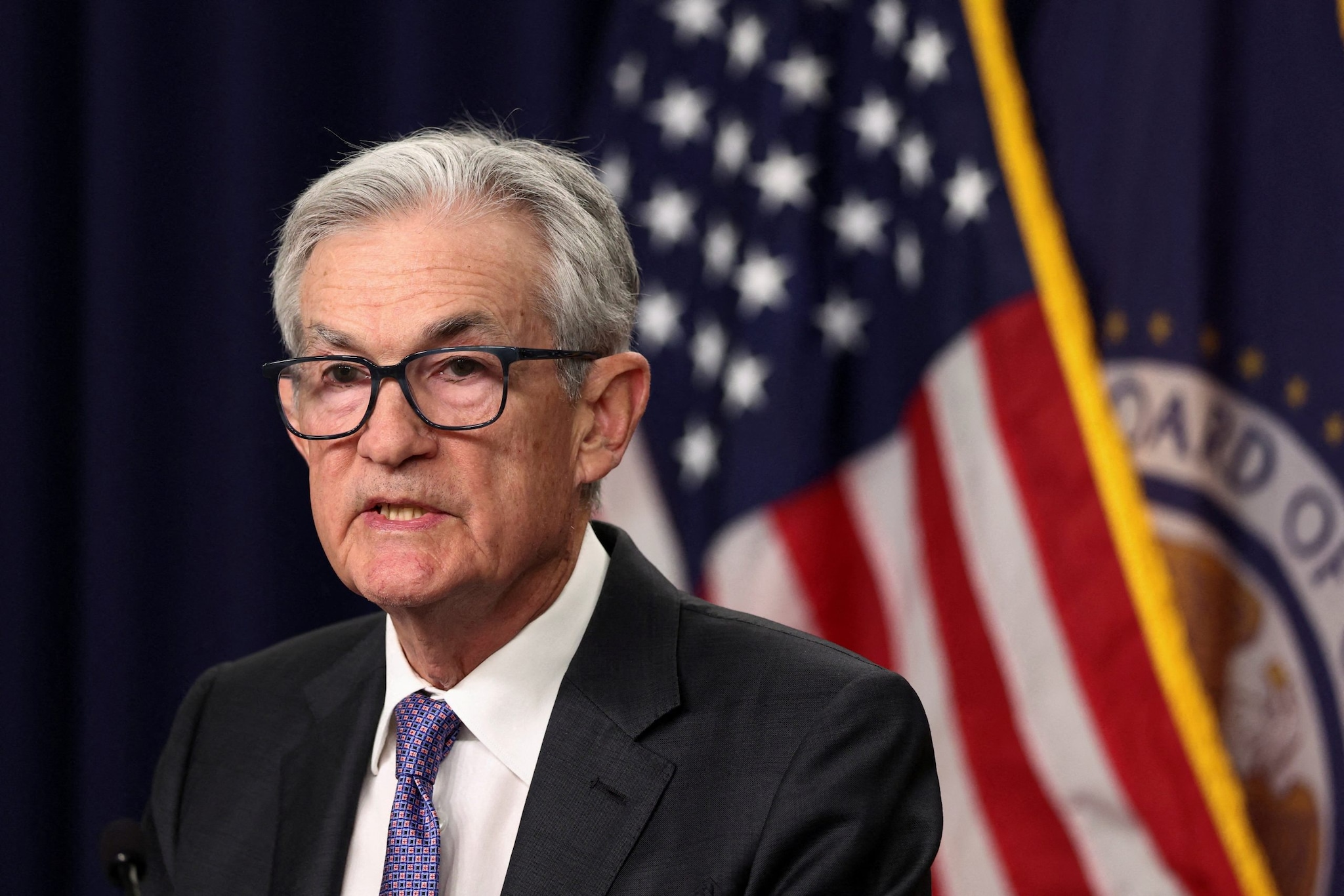
Jerome Powell isn't going anywhere. While his eight-year run as the most powerful man in global finance officially ends today, May 15, 2026, he just tossed a massive wrench into the gears of the usual Washington transition. He's stepping down as Chair of the Federal Reserve, but he's keeping his seat as a Governor until 2028.
This isn't just a quirky career choice. It's a calculated, defensive crouch that hasn't been seen in nearly 80 years. Usually, when a Fed Chair is done, they pack their bags, join a lucrative speaking circuit, and let the new person take the wheel. By staying on as a regular Governor, Powell is making a loud statement about institutional survival. You don't have to look far to see why. Between the White House's public "I'd love to fire his ass" rhetoric and a recently dropped—but still lingering—DOJ investigation into Fed building renovations, the atmosphere in D.C. is toxic.
Powell basically said he felt he had "no choice" but to stay to protect the Fed from political interference. If you're an investor or just someone trying to figure out if your mortgage rate is going to tank, this move matters. It means the transition to Kevin Warsh won't be the clean slate the administration wanted.
The ghost in the boardroom
Most people don't realize that the Federal Reserve Chair is just one of seven governors. Sure, they have the loudest voice and set the agenda, but they only get one vote on interest rates. By staying until 2028, Powell keeps his vote. He becomes a massive, influential shadow hanging over every meeting.
Imagine being Kevin Warsh, the newly confirmed Chair. You're trying to steer the economy in a new direction, perhaps one more aligned with the administration’s push for aggressive rate cuts. You look across the table and there's the guy who ran the show for nearly a decade, watching your every move. It's awkward. It’s also a firewall.
Powell's presence prevents the President from immediately appointing a new, perhaps more compliant, Governor to fill his seat. The board's composition is legally locked until his term expires in January 2028. This limits how quickly the White House can "remake" the Fed in its own image. For those who worry about the central bank becoming a political tool, Powell just became the ultimate insurance policy.
Why the 75 year precedent just shattered
The last time a former Chair stayed on as a Governor was Marriner Eccles back in 1948. Back then, it was about a personal feud with President Truman. Fast forward to 2026, and the stakes feel much higher. Powell is navigating a world where inflation has been a stubborn beast, only recently cooling to 2.3% after a staggering 27% rise in overall prices over the last six years.
Critics argue Powell misread the data early on, calling inflation "transitory" while the government pumped $5 trillion into the economy. They aren't wrong. The Fed was slow to act. But since then, Powell has been the architect of a "soft landing" that most economists thought was impossible. He’s leaving the top job with the economy still growing and unemployment relatively low, despite the highest interest rates in a generation.
Staying on isn't about ego. It's about the Justice Department's recent interest in the Fed's internal dealings. Even though the criminal probe was dropped last month, the Fed’s Inspector General is still poking around. Powell is essentially saying he won't be chased out by legal pressure or political bullying. He’s staying until the "investigation is well and truly over."
What this means for your money
If you’re waiting for rates to drop so you can refinance or buy a home, Powell’s stay-behind act suggests a more cautious path. Kevin Warsh has a reputation as an inflation hawk, but the administration clearly expects him to be more flexible. With Powell still in the room, any radical shift toward cheap money is going to face stiff internal resistance.
Markets generally hate uncertainty, but they love Powell’s brand of stability. His decision to stick around as a Governor actually acted as a stabilizer for the bond market this week. It signals to big institutional investors that the "old guard" still has a hand on the brake.
Don't expect Powell to be vocal, though. He’s already said he plans to keep a "low profile" and acknowledges there's only one Chair. But a low profile at the Fed still involves participating in the most important economic debates on the planet.
Breaking down the timeline
The power dynamic at the Fed is about to get very complicated. Here’s how the next few years look:
- May 15, 2026: Powell’s term as Chair officially ends. Kevin Warsh takes over the top spot.
- 2026-2027: Powell remains as one of the seven Governors, holding a full vote on the Federal Open Market Committee (FOMC).
- January 2028: Powell’s legal term as a Governor finally expires, at which point the President can nominate a replacement.
If you're looking for the next move, watch the June FOMC meeting. It’ll be the first time in eight years that Powell isn't the one at the podium. Pay attention to the "dot plot" of interest rate projections. If Powell’s presence is working as intended, you’ll see a board that remains fiercely independent, regardless of the heat coming from the White House.
You should keep an eye on the Senate's moves too. Any attempt to change the Fed’s structure or limit its independence will likely be met with even more resistance now that the former Chair has dug in his heels. For now, the safest bet is to assume the Fed’s policy won't lurch wildly in one direction. Stability is the name of the game, even if the boardroom gets a little crowded.