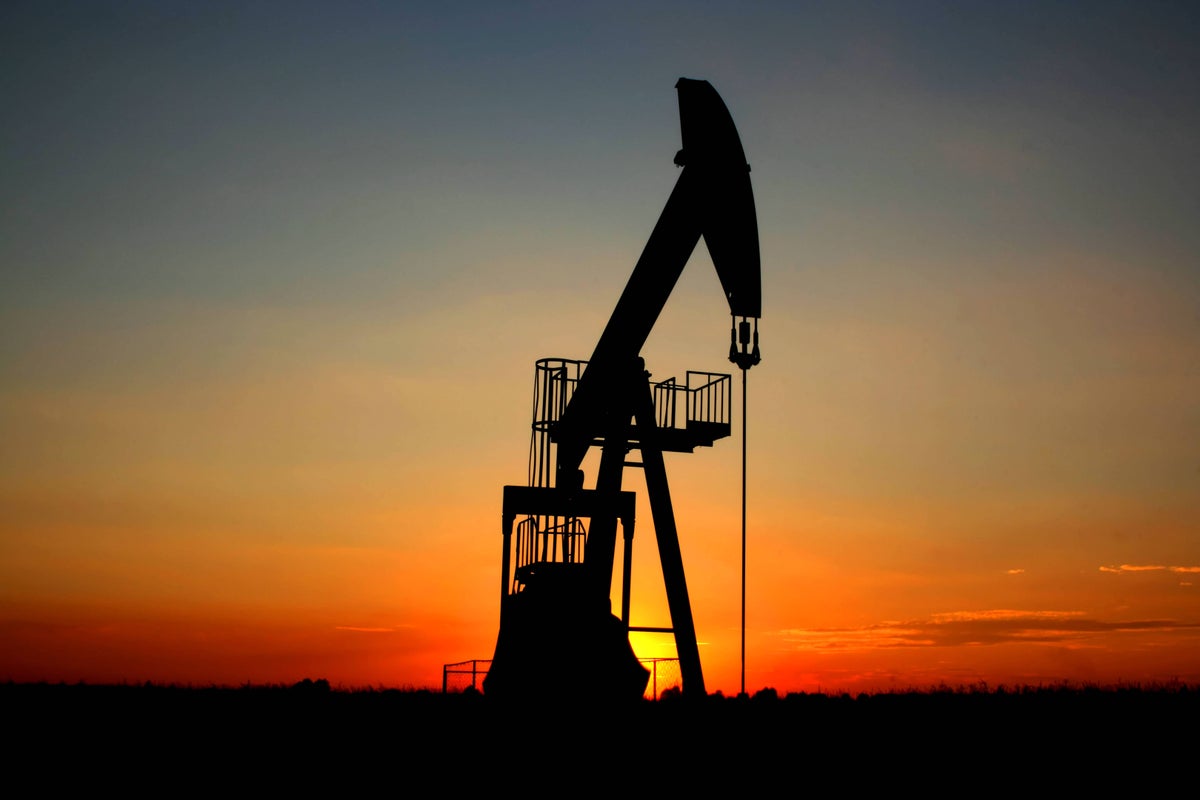
Brent crude just took its biggest one-day dive since the 1991 Gulf War, but don't go planning a celebratory road trip just yet. After weeks of watching the Strait of Hormuz turn into a graveyard for global trade, the news of a two-week pause in hostilities between the US and Iran sent oil prices tumbling below $95. Markets are exhaling. The problem is, that exhale feels a lot like a person holding their breath underwater for too long—it’s desperate, shaky, and doesn't mean they're safe.
I've watched these cycles play out before, but the 2026 "Spring Shock" is different. We aren't just dealing with a temporary supply dip; we're looking at a systemic rewiring of how energy moves. If you think a fourteen-day truce is going to erase the fact that Brent was sitting at $73 in February, you're dreaming. The "relief" we're seeing is relative. Prices are still nearly 30% higher than they were before the first drone hit a tanker in March.
The illusion of cheap oil
The 15% drop in Brent crude yesterday looks impressive on a Bloomberg terminal. It’s a classic "sell the rumor, buy the news" moment for traders who were betting on a $150-a-barrel apocalypse. But for you and me, the physical reality is much grimmer.
When the Strait of Hormuz closed on March 4, it didn't just stop ships; it broke the machinery of global energy. You can't just flip a switch and expect 12 million barrels of oil to start flowing again by Friday. Shipping lanes are backlogged with hundreds of vessels. Insurance premiums for tankers in the Persian Gulf have reached levels that make even "cheap" oil expensive to move.
Even if the ceasefire holds—and with drones still buzzing over Lebanon and the Gulf, that’s a massive "if"—the damage is done. We’ve seen Saudi refineries and Qatari LNG facilities targeted. That kind of structural trauma creates a permanent risk premium. Traders now know that the world’s most important energy chokepoint can be snapped shut in an afternoon. That fear isn't going away in two weeks.
Why the manufacturing scar runs deep
If you want to know where the real pain is, look at the factory floor, not the gas station. Aluminum smelters in the Gulf have been shutting down because they can’t get the energy or the raw materials they need. EGA’s Al Taweelah plant basically went dark.
Restarting a frozen aluminum line isn't like rebooting your laptop. It takes months. It’s a grueling, expensive process that ensures supply will remain tight well into 2027. We're seeing Toyota and Nissan slashing production by tens of thousands of units because their Middle East supply chains are a mess.
Then there's the fertilizer crisis. Brazil gets nearly half its fertilizer through that same Strait. If those ships don't move, crop yields in South America drop. When crop yields drop, your grocery bill in Chicago or London goes up. The "cheap oil" from the ceasefire won't fix the fact that the 2026 harvest is already compromised. We’re trading an energy crisis for a food security crisis, and most people haven't even noticed yet.
The Trump factor and the 200 billion dollar hole
Let's be blunt about the politics. The second Trump administration has been aggressive, to put it mildly. Trump’s social media announcement of the ceasefire was essentially a "take it or leave it" ultimatum. But the cost of this conflict has already crossed the $200 billion mark for the US.
The administration says they’ve quadrupled weapons production to keep up with the demand for interceptors and smart bombs. That's money that isn't going into infrastructure or tax breaks. It’s being literally blown up in the desert. Even if the bombing stops today, the inflationary pressure of that spending is baked into the economy. Janet Yellen’s warnings about stagflation aren't just academic anymore—they’re the baseline.
Don't confuse a pause with a solution
What happens on day fifteen? That’s the question no one in the "euphoric" stock market wants to answer. This is a conditional ceasefire. Iran still has its missile stockpile. Israel is still dealing with Hezbollah on its northern border. The fundamental reasons this war started haven't been resolved; they’ve just been put on a two-week timer.
If you’re a business owner or an investor, don't let this dip fool you into complacency. The "new normal" for oil isn't the $70 range we saw last year. We’re likely looking at a floor of $85 to $90 for the foreseeable future.
What you should actually do right now
- Lock in energy contracts if you can. If you're running a business that depends on fuel or transport, this "relief rally" dip is probably the lowest price you'll see for months. Don't wait for it to hit $70 again. It won't.
- Watch the shipping data. Forget the headlines. Watch the actual tanker traffic numbers coming out of Hormuz. If the volume doesn't hit 70% of pre-war levels within the next ten days, the ceasefire is a paper tiger.
- Audit your supply chain for "Gulf-dependency." If your components or materials pass through the Persian Gulf, start looking for alternatives now. This conflict proved the route is too vulnerable to rely on.
- Prepare for "sticky" inflation. Even if oil stays at $90, the lag effect on food and consumer goods will hit hard in Q3 and Q4 of 2026. Adjust your budgets accordingly.
The drop in oil prices is a nice headline, but the underlying economy is still bleeding. Treat this ceasefire like a tactical reset, not a peace treaty. The volatility isn't over; it’s just taking a breather.


