The milk costs more today than it did on Tuesday. Nobody clapped. There was no announcement, no flashing siren on the dairy case to mark the moment your morning routine quietly grew more expensive. It just happened.
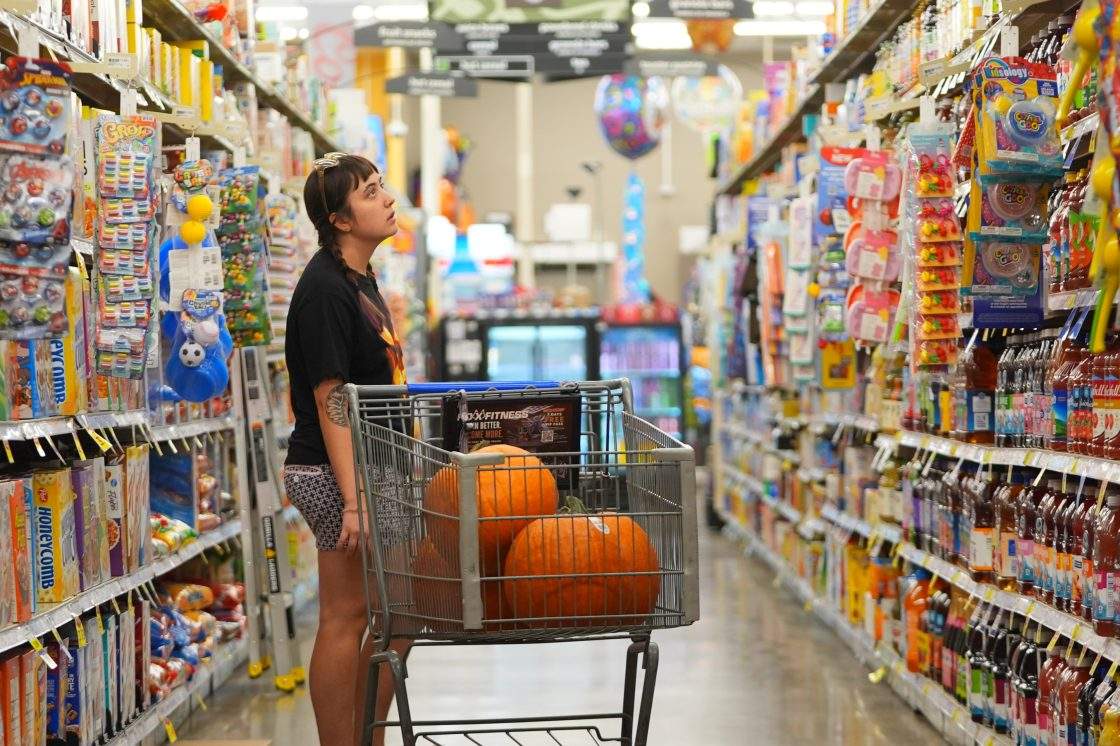
Meet Elena. She is fictional, but her kitchen table is real. Every Sunday evening, she sits down with a cup of lukewarm tea and a stack of paper envelopes. Groceries in one. Rent in another. Utilities in the third. For three years, Elena has watched those envelopes grow thinner while the prices written on the supermarket receipts grew fatter. She works forty hours a week as an administrative assistant, doing everything right by the old playbook. She budgets. She clips coupons. She skips the brand-name coffee. Yet somehow, the math refuses to work.
Inflation is not a line on a financial news ticker. It is Elena staring at a carton of eggs, calculating whether she really needs protein this week.
Recent economic reports show that consumer prices climbed faster than anticipated. Economists use terms like sticky indexes and annualized projections. They draw graphs with lines trending upward like jagged mountain peaks. But numbers on a screen fail to capture the visceral weight of financial anxiety. They do not show the knot in the stomach when the credit card bill arrives, or the quiet dread of opening a utility statement in the dead of winter.
To understand why this is happening, we have to look past the abstract jargon. Think of the economy as a massive, interconnected plumbing system. Money is the water. When too much water is pumped through the pipes too quickly without enough new houses being built to absorb it, the pressure builds. Supply chains stretched thin by global shifts struggle to keep pace with demand. Businesses, facing higher costs for raw materials, transportation, and wages, pass those expenses down the line.
Right to Elena. Right to you.
Prices do not rise uniformly. Some goods jump overnight because a drought withered a harvest halfway across the globe. Others creep upward penny by penny, disguised in packaging that looks identical while holding two ounces less product. Companies call this downsizing. Consumers call it what it is. A pay cut in disguise.
History offers a harsh teacher here. We have walked this path before. In past decades, runaway price spikes eroded savings accounts and paralyzed housing markets, forcing painful course corrections that rippled through entire generations. People remember the gas lines of the seventies, the suffocating interest rates of the eighties. Today looks different, softer around the edges, but the underlying friction remains identical. Your dollar buys less tomorrow than it did yesterday.
The hardest part is the uncertainty. When the cost of living shifts beneath your feet, planning for the future feels like building a house on shifting sand. How do you save for a down payment when the down payment target moves every twelve months? How do you plan a career change or an education when safety nets feel increasingly frayed?
Yet humanity has a stubborn habit of adapting. People find new ways to stretch a dollar, share resources, and build community resilience. They grow gardens on balconies. They fix appliances instead of tossing them out. They talk openly about financial stress, tearing down the outdated stigma that money struggles are a personal moral failing rather than a systemic economic reality.
The numbers in the latest reports will change next month. Another headline will flash across the screen. But back at the kitchen table, Elena will still be balancing her envelopes, searching for balance in a world that keeps shifting its weight.