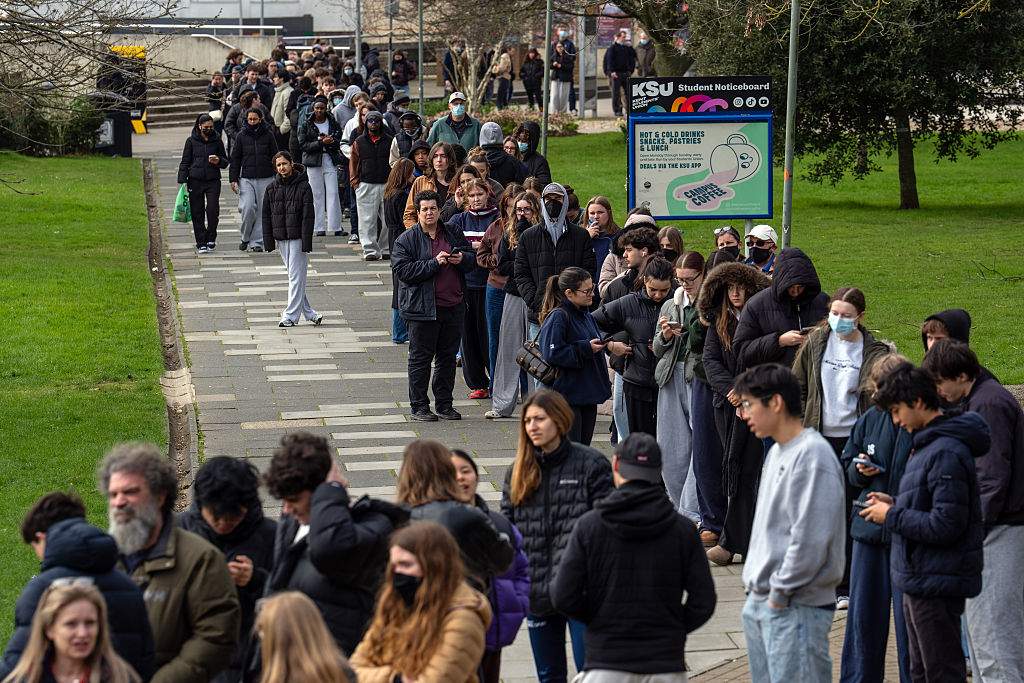
The panic currently ripping through the University of Kent is not merely a biological event. It is a communications disaster. As students share footage of sirens and hushed hospital corridors, the vacuum of official information has been filled by a digital contagion of fear. While the medical community focuses on the pathology of Neisseria meningitidis, the real crisis lies in a systemic breakdown of student health surveillance and the fraying safety net of campus medicine.
Meningitis is a terrifyingly efficient killer. It can move from a mild headache to permanent brain damage or death in under twenty-four hours. On a university campus, where thousands of young adults live in high-density housing, share drinks, and sleep in close quarters, the bacteria finds its perfect laboratory. But the "terrifying" nature of the current situation in Kent isn't just about the bacteria itself; it is about the realization that the systems designed to protect these students were never as sturdy as the brochures claimed.
The Anatomy of a Campus Contagion
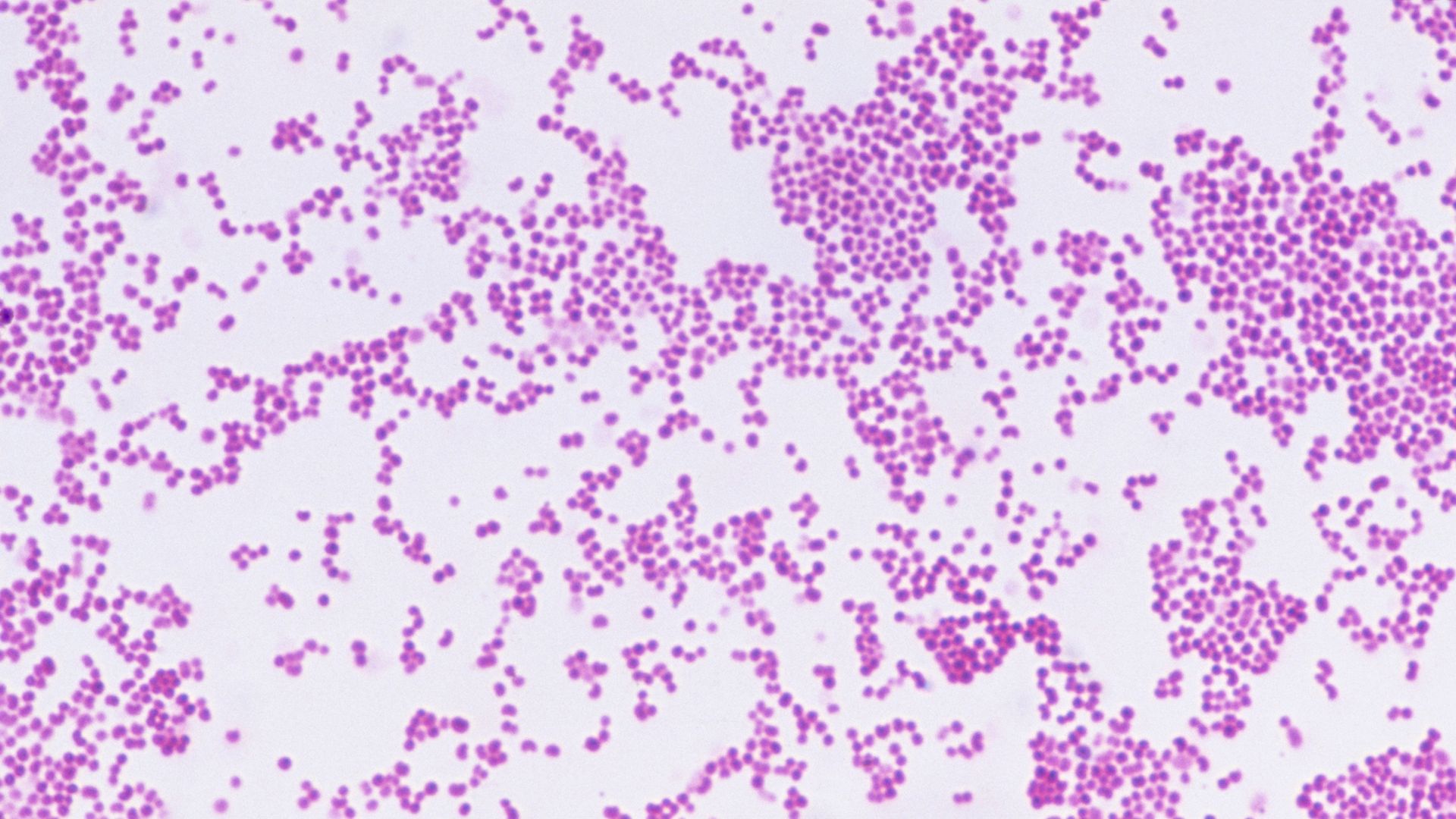
To understand why Kent is currently a tinderbox, one must look at the specific mechanics of how meningitis spreads in academic environments. Most people carry the bacteria in the back of their nose and throat without ever getting sick. These are "asymptomatic carriers." In a standard population, this might be ten percent of people. In a freshman dormitory? That number can skyrocket to twenty-five percent or higher.
The bacteria is fragile. It cannot survive long outside the body. It requires direct physical contact—kissing, sharing a cigarette, or being in the direct path of a cough—to jump from one host to another. When it does jump, and if the new host lacks the specific antibodies to fight it, the bacteria crosses the lining of the throat and enters the bloodstream. From there, it targets the meninges, the protective membranes surrounding the brain and spinal cord.
What we are seeing in Kent is the result of a "perfect storm" of social proximity and a documented decline in vaccine uptake among the school-leaver demographic. The MenACWY vaccine is supposed to be the primary shield for this age group, yet data from the last three years shows a concerning dip in coverage. When the shield has holes, the bacteria finds a way through.
The Information Vacuum and the Rise of Digital Hysteria
In the absence of hourly updates from university administration or public health officials, students have turned to TikTok and WhatsApp. This is where the "terrified" sentiment originates. Short-form video thrives on high-arousal emotions—fear, shock, and urgency. A video of an ambulance outside a dormitory, stripped of context, becomes a signal of an uncontained plague.
The university’s initial response followed a traditional, slow-moving bureaucratic path. They issued "all-student" emails that were dry, clinical, and arguably dismissive of the lived experience on the ground. This created a credibility gap. While officials were busy "monitoring the situation," students were watching their roommates being carried out on stretchers.
In modern crisis management, speed is as important as accuracy. If the authorities do not provide a narrative, the internet will manufacture one. Rumors of "dozens of deaths" and "campus-wide lockdowns" began to circulate because there was no authoritative, real-time dashboard to counteract them. We are witnessing a clash between 20th-century institutional communication and 21st-century social dynamics.
The Hidden Crisis in Student Healthcare
The outbreak has exposed a deeper, more structural problem that has been brewing for a decade. Student health services have been quietly gutted. Many campus clinics have transitioned to "digital-first" models, where getting a face-to-face appointment involves navigating a labyrinth of online forms and phone triages.
For a disease like meningitis, where the difference between life and death is measured in minutes, a "fill out this form and we will call you back in four hours" system is a death sentence.
- Symptom overlap: Early meningitis looks like a bad hangover or the flu. Fever, fatigue, and a sore throat.
- The "Wait and See" Trap: Students are often told to rest and hydrate, delaying the critical window for intravenous antibiotics.
- The Rash Myth: Many people wait for the famous "glass test" purple rash. In reality, the rash is a late-stage symptom indicating septicaemia (blood poisoning). If you wait for the rash, you may already be too late.
The current panic is rooted in the collective intuition of the student body. They know the healthcare infrastructure isn't built to catch a fast-moving bacterial infection. They see the strain on local A&E departments and realize that if they get sick at 2:00 AM on a Tuesday, there is no guarantee of immediate, life-saving intervention.
The Vaccine Gap and the Post Pandemic Legacy
We cannot talk about the Kent outbreak without addressing the disruption of routine immunizations during the early 2020s. A significant portion of the current university population missed their routine booster shots during their mid-teens. This creates a "susceptibility debt" that is now coming due.
Furthermore, there is a lingering skepticism toward institutional health advice. After years of conflicting messaging regarding public health mandates, a segment of the population is less likely to heed the call for emergency vaccination clinics. This isn't just about "anti-vax" sentiment; it’s about a fundamental erosion of trust between the state and the individual.
To fix this, the University of Kent and the UK Health Security Agency (UKHSA) cannot simply post more flyers. They need to go where the students are. This means pop-up clinics in student unions, direct engagement with influencers within the student body, and a radical transparency regarding the number of confirmed cases and their current status.
The Biological Reality vs. The Social Perception
It is important to differentiate between a cluster and an epidemic. Currently, the medical definition of the Kent situation leans toward a cluster. However, the social perception is that of an out-of-control emergency.
When the UKHSA identifies a case, they begin "contact tracing." They identify everyone who has had close contact with the infected person and offer them prophylactic antibiotics—usually a single dose of ciprofloxacin. This is a highly effective way to "ring-fence" the bacteria. But this process is invisible. Students don't see the antibiotic distribution; they see the ambulance. They don't see the negative test results; they see the empty chair in the lecture hall.
The university must make the invisible visible. They need to show the scale of the preventative measures being taken. If they have distributed 500 doses of antibiotics to close contacts, they should say so. If they have increased the cleaning frequency of shared spaces, they should document it.
Why Common Safety Advice is Failing
Most health leaflets tell students to "watch out for your mates." This is noble advice but practically flawed in the current university climate. With the rise of "lonely campuses" and the shift toward digital learning, students are less likely to have a "mate" who notices they haven't left their room in twelve hours.
The social fabric of the university has changed. We have moved from a communal living model to a more isolated, studio-apartment style of student housing. This isolation is a clinical risk factor. If a student collapses in a self-contained studio, they may not be found for a day. The "terrifying" videos being shared are a cry for a lost sense of security.
A Failure of Leadership
Ultimately, the responsibility for the panic lies at the top. University leadership often prioritizes reputation management over raw honesty. They fear that admitting the severity of an outbreak will hurt enrollment or prestige. In doing so, they allow the fear to metastasize.
A leader's job in a health crisis is to be the "Calmer-in-Chief." This requires showing up. Not through an email, but in person. It requires holding town halls where questions—no matter how fueled by rumor—are answered with patience and hard data.
The situation in Kent will eventually stabilize. The bacteria will be suppressed by antibiotics and a surge in vaccinations. But the damage to the university’s relationship with its students will last much longer. They feel abandoned in a moment of mortal vulnerability, watched over only by the flickering lights of their smartphone screens.
The real lesson from Kent isn't about biology. It's about the fragility of trust in a high-speed information environment. When the next outbreak happens—and it will—the institution that wins will be the one that talks to its students like adults, provides care that is faster than the internet, and realizes that a viral video can only be stopped by an even more viral truth.
Demand a real-time health data portal from your university administration today; your life may literally depend on the speed of their transparency.