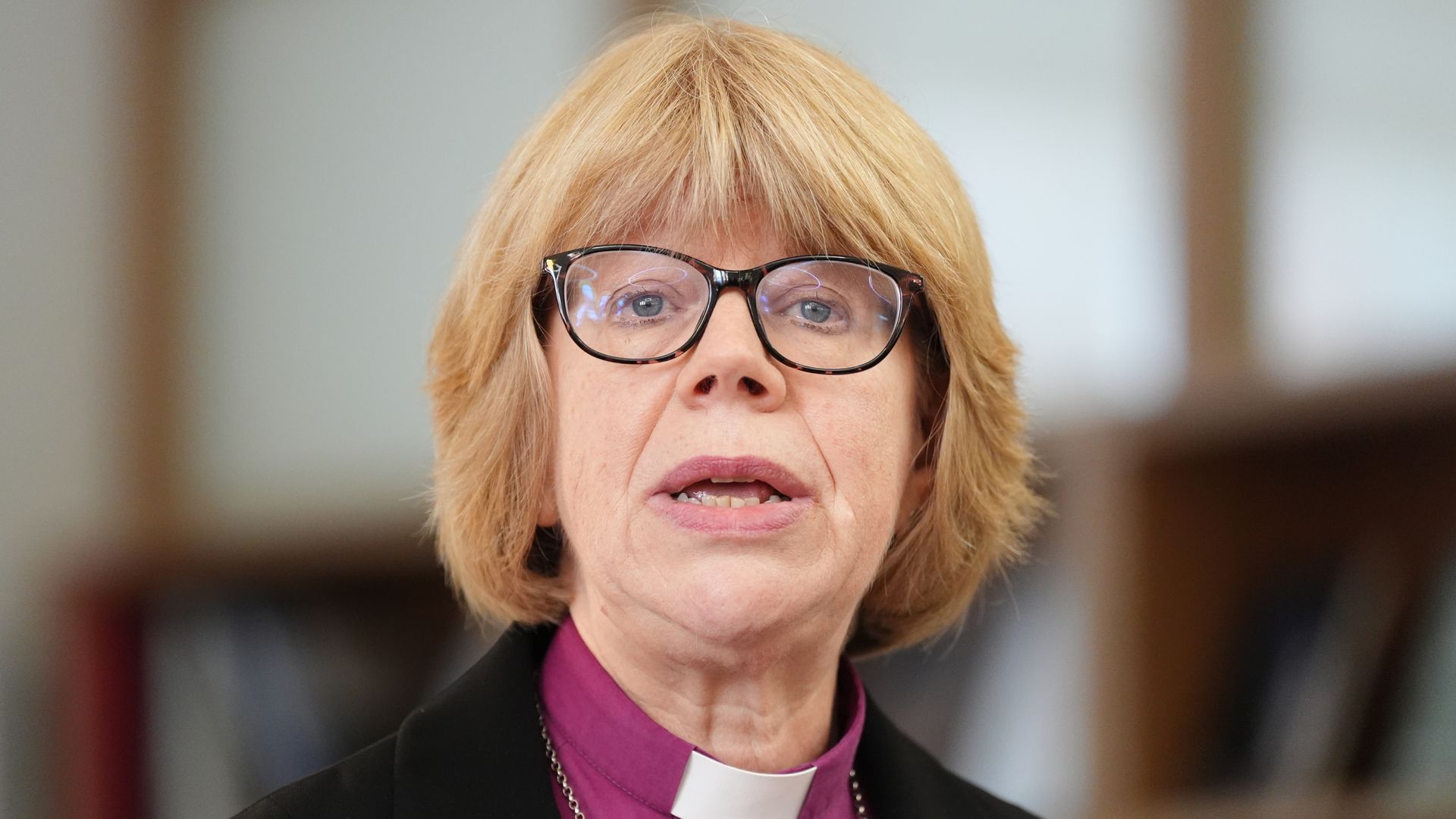
The Church of England issued a sweeping historical apology for its role in the forced adoption of tens of thousands of children from unmarried mothers between 1949 and 1976. Archbishop of Canterbury Sarah Mullally addressed the General Synod, declaring that the shame belonged entirely to the church and not to the women coerced into surrendering their babies. Yet, while the rhetoric marks a milestone in public contrition, the statement explicitly omitted any framework for financial restitution or psychological support. By acknowledging guilt without funding redress, the hierarchy has effectively insulated its vast wealth from the structural consequences of its own self-confessed abuse.
The Machinery of Moral Welfare
The historical record published alongside the apology paints an indictment of a highly organized, state-sanctioned apparatus. Between the late 1940s and the mid-1970s, the Church of England operated an estimated 200 mother and baby homes across the United Kingdom. These facilities did not exist in a vacuum. They functioned as the primary pipeline for an insatiable adoption market, operating under the guidance of the Church’s Moral Welfare Council.
Archival documents from the period reveal an institutional culture that viewed unmarried pregnant women not as vulnerable individuals requiring pastoral care, but as moral failures requiring correction. A 1950s training brief for chaplains within these homes notes that staff should maintain much patience with those who appear dull, stupid, and shallow. The documentation frequently labeled young women as dim, feckless, and inadequate.
This vocabulary translated directly into physical and psychological coercion. Women who entered these homes testify to a regime of hard labor, isolation, and deliberate medical neglect. At facilities like St Monica’s Maternity Home in Cumbria, women were forced into heavy manual labor up until their deliveries. Midwifery care was frequently withheld, and pain relief during labor was routinely denied as an intentional form of spiritual penance for illegitimate pregnancies.
The primary objective of these institutions was the extraction of what internal records call raw material for adoption agencies. Mothers were systematically denied information about their legal rights. Many signed consent forms while heavily medicated, under intense duress, or under the direct threat of being permanently institutionalized in mental wards if they refused. The church’s own report admits that while official guidelines stated mothers and babies should be kept together where possible, this aspiration was systematically disregarded in practice.
The Cost of Cheap Grace
By framing the crisis as an artifact of historical social pressures, the modern church leadership seeks to distribute the blame across society at large. Archbishop Mullally noted that the practices took place in an environment that valued secrecy and respectability over compassion. This defense ignores how aggressively the church worked to shape and enforce those exact social standards.
The immediate reaction from survivor advocacy groups highlights the vast chasm between ritual confession and material justice. The Adult Adoptee Movement immediately condemned the statement, labeling it an exercise in cheap grace that offers nothing in the way of tangible compensation.
"The statement given today is not a meaningful apology," the group stated. "For many of us, engaging with the church in their apology process was distressing and retraumatising. There has been no offer of redress or support."
The financial reality of the situation is stark. Survivors of these homes face lifelong psychological trauma, yet they are left to fund their own specialized therapy. The process of tracking down original birth records and navigating the bureaucratic labyrinth of historical adoptions remains prohibitively expensive and legally complex. While countries like Australia and Ireland accompanied their state and religious apologies with comprehensive compensation packages, the UK church has kept its checkbook firmly closed.
+-----------------------------------------------------------------------+
|  Historical Scope of Church of England Forced Adoptions (1949-1976)   |
+-----------------------------------------------------------------------+
| Estimated Affiliated Homes: Over 200 facilities                       |
| Total Affected Individuals: Tens of thousands of mothers and children |
| Current Redress Fund Allocated: £0                                    |
+-----------------------------------------------------------------------+
Protecting the Fabric of the Church
The timing of this announcement is inseparable from the broader governance crisis engulfing the Anglican Communion. The church is still reeling from the fallout of systemic cover-ups that led to the resignation of the previous Archbishop of Canterbury, Justin Welby, following an independent review into prolific internal abuse. The institution is desperate to project an image of transparency and ethical reform.
Apologizing for actions taken fifty years ago is a low-risk strategy for an institution under siege. The perpetrators are largely deceased, and the legal liability is difficult to litigate due to the statute of limitations on historical civil claims. It costs the Church Commissioners nothing to say they are deeply ashamed. It would cost them hundreds of millions of pounds to properly compensate the victims.
The defense of limited resources and decentralized management is a familiar shield. The church maintains that the homes were operated by independent diocesan societies rather than a centralized authority, creating a legal buffer that complicates global class-action litigation. This structure allows the national leadership to express corporate sorrow while leaving individual, often impoverished dioceses to handle any potential legal blowback.
True repentance requires more than a public liturgy and a press release. Until the Church of England binds its moral admissions to an independent, fully funded compensation tribunal, these statements remain a form of public relations. The shame may belong to the church, but the financial and psychological bill is still being footed exclusively by the victims.


