Federal public health policy is facing an unprecedented disruption. President Donald Trump signed an executive order targeting the foundational architecture of the American childhood immunization schedule. The directive instructs federal agencies to promote spacing out childhood vaccines and pushes for combination shots like the measles, mumps, and rubella (MMR) inoculation to be divided into individual injections administered across multiple distinct doctor visits.
The administration frames the adjustment as a restoration of parental choice and common-sense alignment with peer nations. Yet, the policy collides directly with mainstream pediatric organizations, infectious disease specialists, and the practical realities of the American pharmaceutical supply chain.
The Mechanics of the New Directive
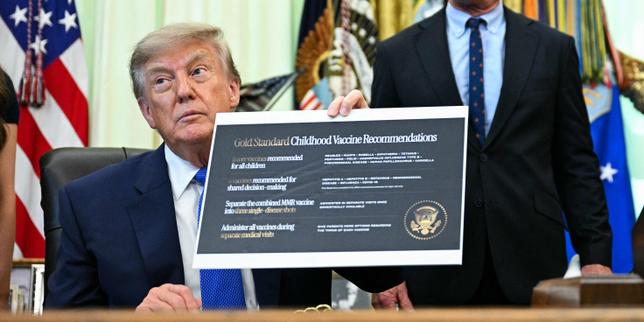
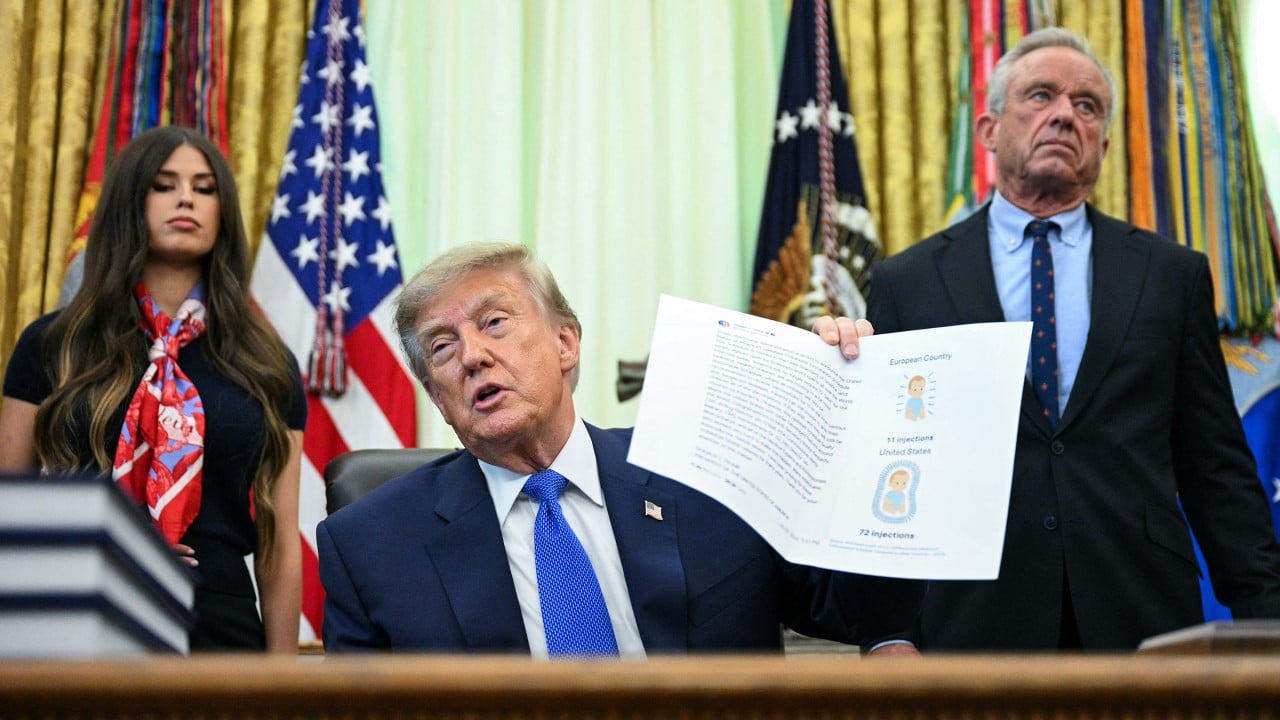
Under the terms of the executive order, federal recommendations will narrow the core list of universally advised childhood vaccinations from 18 diseases down to 11. Inoculations targeting infections such as rotavirus, hepatitis A, and hepatitis B would transition away from universal recommendations, instead positioned for high-risk cohorts or designated for shared decision-making between parents and physicians.
More visible is the mandate regarding delivery logistics. The White House directive instructs the Department of Health and Human Services to encourage the administration of routine infant and toddler vaccines across a series of separate medical appointments rather than grouped into single-day visits.
Specifically, the order targets the combined MMR immunization, calling for it to be split into three standalone shots. Proponents argue that breaking up the injections reduces the immediate physiological burden on a young child.
The Manufacturing Reality Gap
Implementing this mandate runs into an immediate hurdle: the required standalone products do not exist for the pediatric market in the United States. Pharmaceutical manufacturers ceased production of individual measles, mumps, and rubella vaccines years ago, as the combination shot proved vastly superior in compliance, cost, and clinical efficiency.
To satisfy the executive order, drug manufacturers would need to reconfigure production lines, secure fresh regulatory approvals from the Food and Drug Administration, and build entirely new commercial supply chains. Industry analysts and medical executives estimate that this process could take years, rendering the operational enforcement of the order functionally impossible in the near term.
Historical precedent also offers cautionary data. When Japan altered its immunization policies in the 1990s to move away from combined mumps formulations, vaccination coverage dropped precipitously, followed by documented outbreaks and severe medical complications among children who missed subsequent doses.
Public Health Warnings and Logistical Hurdles
Medical bodies, including the American Academy of Pediatrics, responded to the signing with sharp warnings. Clinicians point out that spreading out necessary inoculations prolongs the temporal window during which infants remain vulnerable to highly contagious pathogens.
For a pathogen as transmissible as measles, delays in completing a full series elevate community transmission risks. Furthermore, requiring families to return to clinics five or more times for separate appointments introduces logistical friction. Increased copays, lost work hours for parents, and transportation barriers historically drive down completion rates for multi-dose series.
While the federal government holds authority over national health guidance and research funding, state governments retain legal jurisdiction over school entry immunization requirements. The executive order encourages states to modify their local mandates to mirror the revised federal framework, setting up a protracted legal and legislative battle across state capitals as health departments weigh federal pressure against established clinical guidance.
The administration has directed health officials to formulate explicit scheduling guidelines within a 90-day window, setting the stage for a prolonged clash between executive policy and the medical establishment.
For ongoing updates on public health guidance and state-specific immunization requirements, review resources provided through the CDC Immunization Schedule.
This executive order introduces a significant shift in federal health policy, contrasting sharply with standard clinical guidelines.