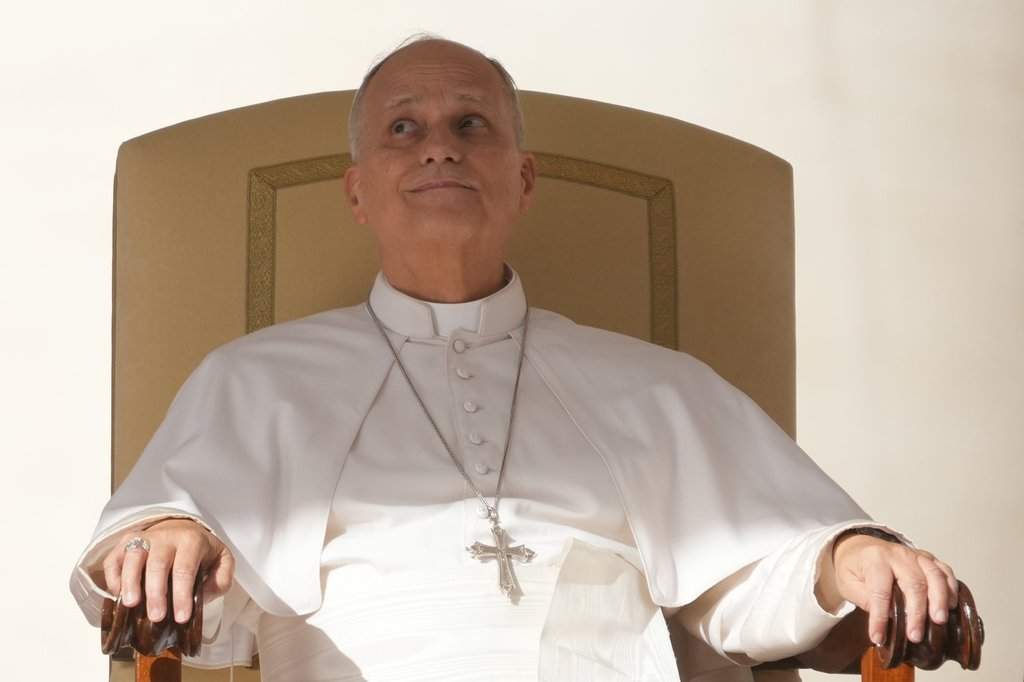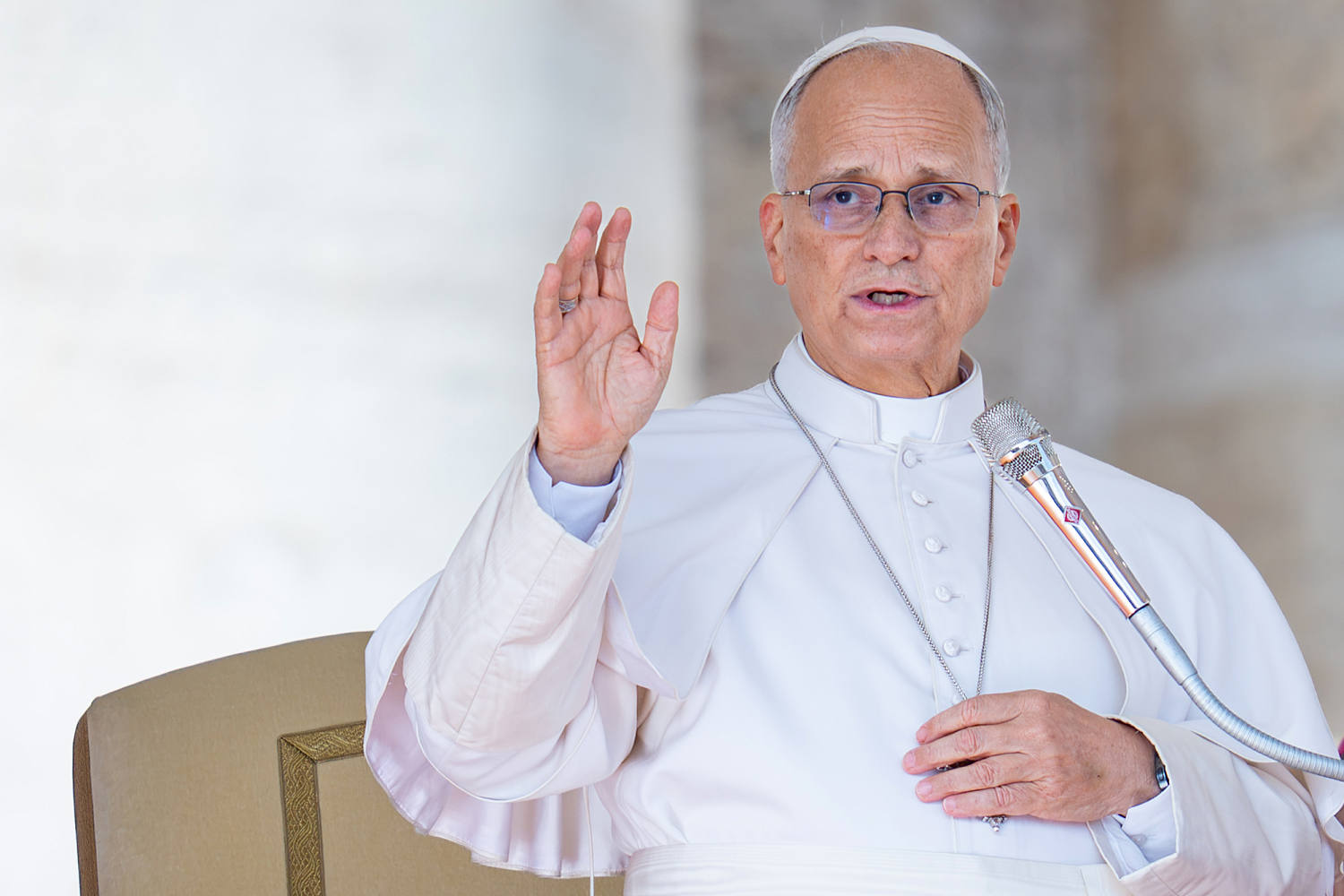
Pope Leo XIV will not need chemotherapy, radiation, or further cancer treatment after his October 13 lung surgery at Rome's Gemelli Polyclinic removed a localized adenocarcinoma from the lower lobe of his right lung. Vatican physicians announced on October 22 that pathology and staging evaluations confirmed the tumor was caught at an early stage and contained, allowing the 71-year-old pontiff to rely on surgical resection alone. Within four days of the operation, he walked out of the hospital ahead of schedule, and by mid-November he had completed a grueling 12-day apostolic journey across Uruguay, Argentina, and Peru.
After decades of watching the Vatican treat a pope's health like a state secret wrapped in incense, the speed and candor of this episode stand out. For generations, Roman observers read papal medical bulletins the way Cold War analysts read Kremlin balconies. A cough meant pneumonia; a cancelled audience meant crisis; a sudden hospitalization meant rumors of resignation or worse. Pope Francis often entered Gemelli without advance notice, leaving reporters to piece together fragmented accounts while speculation spiraled across global markets and Catholic communities alike. You might also find this similar story insightful: Predicting Cancer Survival From Photographs: Why Surface Pixels Fail Without Clinical Context.
Pope Leo took a different route. On Sunday, October 11, standing before pilgrims in St. Peter's Square during the Angelus blessing, he told the crowd plainly that doctors had spotted a lung nodule and that he would undergo surgery to remove it. No euphemisms. No whispered back-channel briefings after the fact. Just a direct announcement two days before going under the knife.
Why an Accidental Shadow Matters More Than the Headlines
A routine checkup caught the spot before it caused a single symptom. That detail carries more weight than most wire dispatches admit. As discussed in detailed reports by CDC, the results are widespread.
Lung adenocarcinoma frequently develops in the outer regions of the lungs and often shows up without the classic warning signs people expect, such as persistent coughing, chest pain, or shortness of breath. Many early-stage nodules are spotted incidentally when a patient gets imaging for another reason or undergoes routine screening. In Pope Leo's case, doctors noticed a shadow on his lung during an annual exam, followed up with targeted imaging, and moved swiftly to remove the lower lobe of his right lung along with nearby lymph nodes to check for spread.
Lead thoracic surgeon Dr. Stefano Margaritora later noted that had the growth sat higher up, it might not have been spotted the same way, underscoring how narrow the margin can be between an incidental early catch and a much harder clinical fight. When a localized non-small cell tumor like adenocarcinoma is excised cleanly with clear surrounding tissue and uninvolved lymph nodes, surgery alone can serve as definitive therapy. No follow-up oncology infusions. No radiation course. Just close surveillance and routine checkups.
That distinction matters clinically, yet it also invites a sobering reality check. "No further treatment needed" is good news in the immediate term, not a permanent guarantee against recurrence. Even when early-stage lung cancer is resected cleanly, thoracic oncologists and surgeons treat post-resection recovery as an active monitoring period rather than a finish line. Scans, clinical exams, and vigilance over time remain part of the bargain.
Consider a hypothetical patient in his early seventies with a similar small, localized lung nodule discovered during a routine exam. One person might delay evaluation out of fear or busyness, hoping a symptomless spot will turn out to be nothing. Another might pursue prompt imaging, undergo a minimally invasive lobectomy, and receive clear pathology results showing localized disease that requires no adjuvant therapy. The medical difference between those two paths often comes down to timing and access to high-resolution diagnostics.
Keyhole Surgery and the Politics of Physical Stamina
Modern thoracic surgery looks nothing like the open-chest procedures of decades past. Rather than splitting or spreading ribs through a wide incision, surgeons today frequently use video-assisted thoracoscopic surgery—commonly called keyhole surgery—passing a tiny camera and instruments through small openings between the ribs.
Vatican disclosures indicated that Pope Leo's procedure used a video-assisted approach. Less collateral trauma to the chest wall generally translates into less postoperative pain, smaller scars, and a shorter hospital stay than open thoracotomy. The numbers tell their own story: doctors initially projected roughly a week in the hospital, yet he was discharged on October 17, just four days after the October 13 surgery. He began respiratory therapy, walked around his room, and resumed eating the following day.
Still, speed on paper does not mean effortless recovery in practice. Removing an entire lobe reduces lung volume at first, even though the human body adapts over time and four remaining lobes can support an active life. During his airborne press conference returning from South America in mid-November, Pope Leo put it plainly: he was "not 100 percent," though he felt "pretty good" and credited endurance for carrying him through.
What the South American Tour Really Tested
Cancelling the October 27 trip to Assisi showed a modicum of restraint right after discharge. Going ahead with the November 6–17 journey through Uruguay, Argentina, and Peru showed something else entirely: political resolve.
For Pope Leo, this was not just another foreign itinerary. He holds Peruvian citizenship and spent roughly two decades in Peru as a missionary and bishop before rising to senior Vatican roles. Coming home to Latin America after a cancer diagnosis carried symbolic weight that no statement from the press office could match. Flying across time zones, riding in open vehicles through crowds, celebrating Mass, and confronting tough issues like Amazon deforestation and violence against Indigenous leaders tested his stamina far more than sitting quietly in Rome. Reports noted that several members of the traveling Vatican delegation and press corps fell ill during the grueling multi-country swing, while the pontiff emerged looking energetic and joking with reporters mid-flight.
What Institutional Transparency Changes Inside the Church
A papacy is never purely a medical case study. It is an institution run by an aging executive with zero formal retirement age unless he chooses to step down.
When a pope's health is shrouded in secrecy, every minor schedule change triggers power-broker whispers inside the Roman Curia and anxious headlines worldwide. By announcing the nodule ahead of time, naming the diagnosis once pathology confirmed adenocarcinoma, and sharing clear updates on staging and recovery, Pope Leo lowered the temperature around his health. Transparency did not eliminate every question—observers still watch how a 71-year-old body handles long-haul travel and high-stress diplomacy—but it stripped away the worst kind of guesswork.
There is also a broader public-health angle worth noting. Pope Leo explicitly said after his South American trip that he hoped his experience would encourage others not to fear checkups or avoid preventive care. Coming from a global religious figure who felt completely fine and had zero respiratory symptoms when the shadow first appeared, that point lands harder than any public-service brochure.
At the same time, veteran observers know better than to treat one smooth recovery as proof that institutional habits are permanently cured. A localized cancer caught early and treated with keyhole surgery gave the Vatican an unusually clean outcome. A slower, messier, or more ambiguous illness in the future would test that openness all over again.
Watch how the Vatican handles routine medical updates over the next year rather than judging everything by a single successful operation.