European agricultural lobbies spend millions on trade protection arguments, yet they consistently miss the structural machinery driving the continent's poultry crisis. At the center of this economic pressure sits Myronivsky Hliboproduct, universally known as MHP, and its billionaire founder Yuriy Kosyuk. While continental farmers stage tractor blockades over post-2022 tariff waivers, the actual competitive threat stems from a hyper-efficient, vertically integrated corporate architecture constructed decades before the current war. Understanding why European producers cannot compete requires looking past short-term trade concessions and examining how international capital and industrial scale built an agricultural titan.
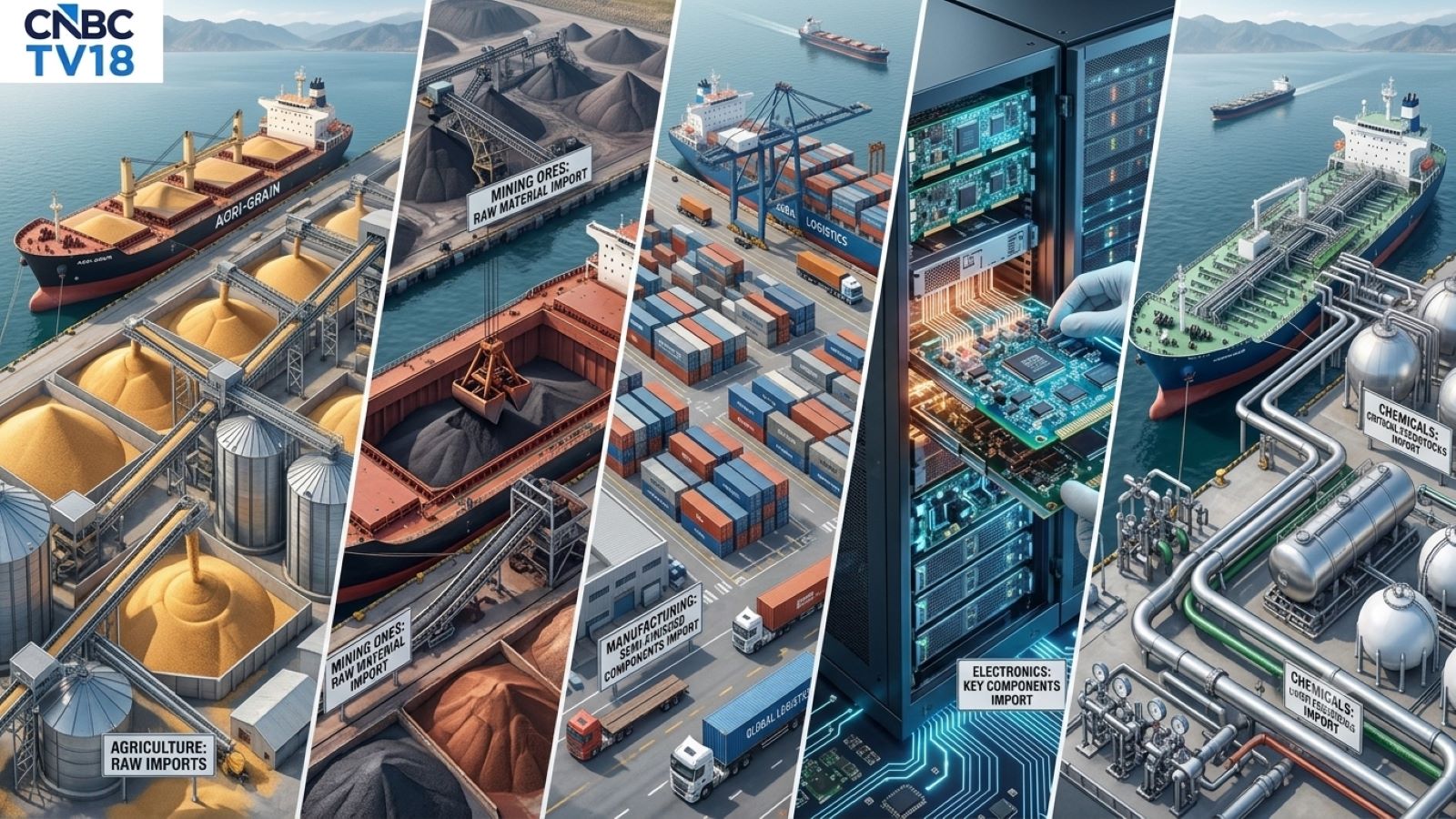
The architecture of MHP defies traditional farming models. Operating across a vast land bank in Ukraine, the corporation controls every variable of production from grain cultivation and feed milling to slaughterhouses and international distribution networks. This complete vertical integration crushes unit costs in ways fragmented European family farms simply cannot match. When the European Union temporarily suspended import duties and quotas, it did not create MHP's competitive advantage; it merely opened the floodgates for a corporate entity that was already engineered for global dominance.
Financial backing from Western development institutions catalyzed this expansion long before geopolitical solidarity became a trade factor. The International Finance Corporation, the European Bank for Reconstruction and Development, and other public-backed lenders poured over a billion dollars into MHP's balance sheets. These entities justified the loans as investments in Ukraine's economic resilience and food security. In practice, public development capital financed massive processing hubs like the Vinnytsia complex, turning a regional player into an industrial monster capable of undercutting local poultry prices from Poland to the Netherlands.
Regulatory arbitrage further compounds the friction. European producers operate under strict environmental mandates, animal welfare constraints, and labor laws that add fixed costs to every kilogram of meat brought to market. MHP navigates a different operational reality. While the company maintains export certifications to clear European sanitary checks, its primary production base operates within a regulatory framework that imposes significantly lower compliance overhead. Furthermore, clever exploitation of trade definitions historically allowed the company to import bone-in chicken cuts with minor modifications, bypassing traditional tariff-rate quotas entirely long before wartime trade liberalizations took effect.
Brussels responded to the protests with emergency brake mechanisms and reintroduced safeguard thresholds for sensitive agricultural goods. These bureaucratic instruments treat the symptom while ignoring the systemic cause. Tariffs and quotas are blunt tools against a competitor backed by institutional credit lines and structured for maximum operational efficiency. As long as public development banks continue underwriting industrial agricultural expansion in Eastern Europe, traditional producers on the continent will find themselves outmatched by a corporate machine designed to win.