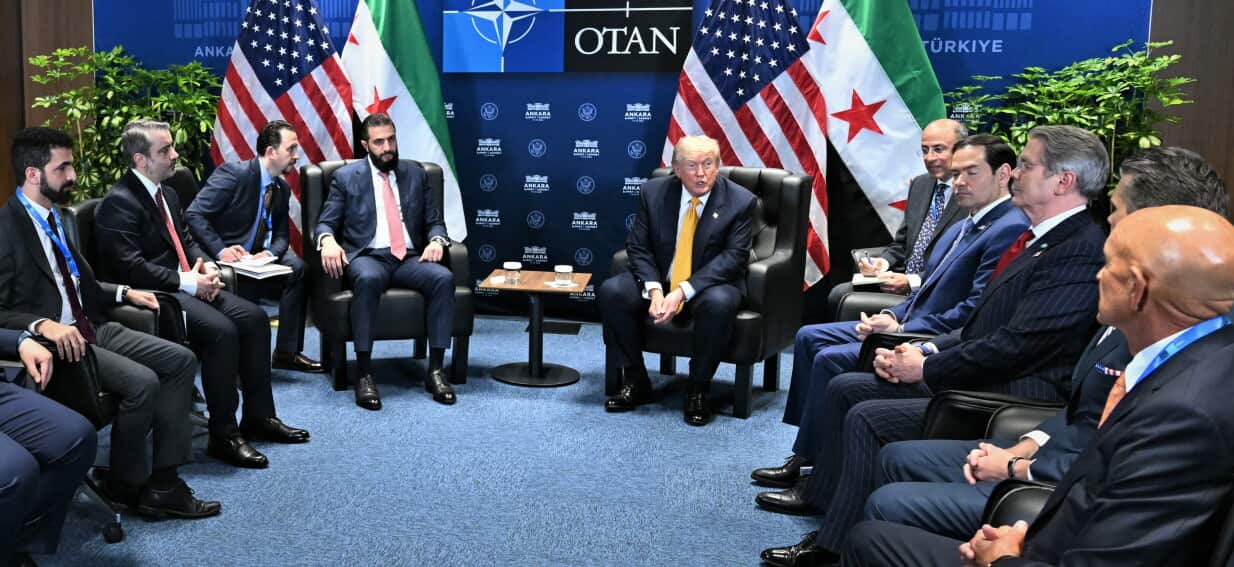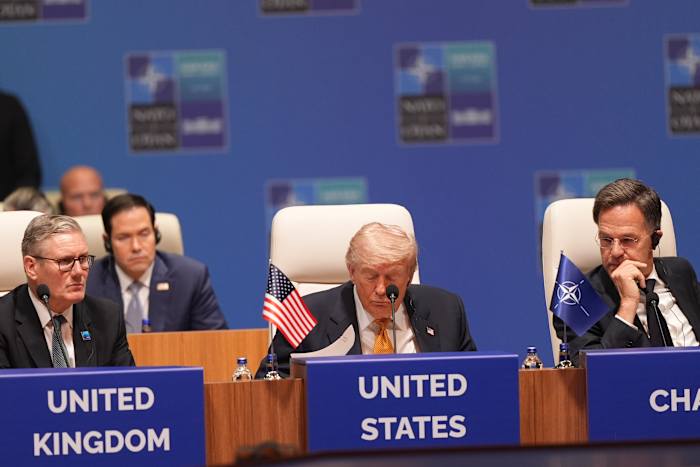
The illusion of peace in the Persian Gulf evaporated completely in a hail of Tomahawk missiles and exploding suicide boats. Speaking from the sidelines of the NATO summit in Ankara, President Donald Trump declared the hard-fought Islamabad Memorandum finished. Hours later, U.S. Central Command assets began pounding coastal radar installations, air defense networks, and fast-attack craft along the Iranian coastline. This rapid descent back into open warfare exposes a fundamental reality that diplomats ignored. The interim ceasefire did not fail by accident; it was structurally designed to collapse under the weight of unresolvable strategic contradictions between Washington and Tehran.
The official narrative coming out of the White House frames the renewed bombardment as a direct, reactive punishment. The administration points to the targeting of three commercial cargo vessels transiting the Strait of Hormuz—including the Marshall Islands-flagged M/T Al Rekayyat and the Saudi-flagged M/T Wedyan. To Washington, these incidents represented a clear violation of the June 17 agreement. But a closer inspection of the military timeline and intelligence briefings suggests a far more calculated escalation. The administration was already looking for an exit ramp from a diplomatic framework that Trump privately viewed as a political liability.
The Flawed Architecture of the Versailles Dinner Deal
To understand why the peace evaporated in less than a month, one must look at how it was stitched together. The Islamabad Memorandum was signed under theatrical conditions. Trump put his pen to the document during a highly publicized dinner at the Palace of Versailles. Iranian President Masoud Pezeshkian signed it simultaneously in Tehran. It was a classic piece of Trumpian showmanship meant to signal a rapid victory after the terrifying escalations of Operation Epic Fury earlier in the year.
The document possessed a fatal flaw. It attempted to decouple the maritime theater from the broader, regional proxy environment. Iranian negotiators agreed to a cessation of direct ballistic missile strikes against American regional bases. They did not, however, abandon their asymmetric doctrine. Tehran views its ability to choke off twenty percent of the world’s petroleum supply as its only effective deterrent against a technologically superior adversary.
When the U.S. maintained heavy economic sanctions behind the scenes, Iran did what its military leadership always does. They turned the valve on global commerce. By using deniable proxy networks and unflagged fast craft to harass shipping, Tehran attempted to build bargaining power for the upcoming permanent treaty negotiations. They miscalculated Trump’s tolerance for ambiguity.
The White House did not see these maritime pinpricks as a standard opening gambit for a secondary round of negotiations. Trump interpreted them as a personal insult and an indicator of bad faith. His rhetoric in Ankara reflected this deep irritation. He openly labeled the Iranian leadership dishonorable, Signaling that the transactional trust required to sustain the memorandum had completely dissolved.
Operational Realities Along the Southern Coast
The military reality on the ground is far more chaotic than the sanitized press releases from Pentagon spokespeople suggest. The current wave of American strikes represents a systemic attempt to blind and deafen the Islamic Revolutionary Guard Corps Navy along the southern littoral.
Explosions tore through military installations near Chabahar and Konarak, while air defenses near the vital port city of Bandar Abbas were seen actively engaging incoming targets. The objective of these initial waves is clear. U.S. forces are targeting the early-warning radar installations and coastal missile batteries that protect Iran's anti-ship capabilities.
Target Zone       | Tactical Asset Hit                   | Strategic Purpose
------------------|--------------------------------------|----------------------------------
Bandar Abbas      | Coastal Radar & Air Defense Nodes    | Blind tracking networks
Chabahar Terminal | IRGC Command Posts                   | Disrupt localized control
Hormuz Littoral   | Fast-Attack Craft & Drone Bunkers    | Clear asymmetric threats
This is not a surgical strike operation meant to send a political message. It is the preparatory phase for a sustained campaign to force open the Strait of Hormuz by destroying Iran's ability to wage anti-access/area-denial warfare.
The intelligence indicates that Iran was not caught off guard. Despite losing significant air defense infrastructure in the opening hours, the IRGC immediately activated its dispersed command structure. Retaliatory rocket and drone salvos were launched at American facilities in Bahrain and Kuwait, demonstrating that the Iranian military retains its secondary strike capacity despite months of grinding conflict.
The Oil Weapon and the Threat to Kharg Island
The true escalatory pivot point lies in Trump’s recent public musings regarding Kharg Island. For decades, Western military planners treated the island as a red line. It processes roughly ninety percent of Iran’s crude exports. Hitting it means destroying the economic survival mechanism of the Iranian state. By openly threatening to seize or obliterate this facility, the White House has shifted the goalposts from deterrence to existential economic warfare.
This threat carries immense risk for Western economies. Brent crude futures surged by over eight percent in a matter of days as the strikes began. Energy markets are pricing in a prolonged disruption that the global economy cannot easily absorb.
If Kharg Island is taken offline or occupied by U.S. forces, Tehran will have no remaining incentive to practice operational restraint. Their doctrine dictates that if Iran cannot export oil, no nation in the Persian Gulf will export oil. The immediate targets would not just be American warships, but the massive desalination plants and oil terminals of Saudi Arabia and the United Arab Emirates, dragging the entire region into a scorched-earth economic conflict.
The Illusion of the Swift War
A dangerous consensus is forming within the West Wing. The belief that this conflict can be settled quickly by hitting Iran hard enough to force a sudden domestic political collapse. Trump reiterated this perspective to reporters, stating that any future escalation would be over very quickly and would ultimately make the region safer. This viewpoint ignores the lessons of the last two decades of conflict in the Middle East.
Iran is not a fragile collection of tribal factions. It is a nation-state with a deeply ingrained institutional memory of resistance, forged during the brutal eight-year war with Iraq in the 1980s. The assassination of high-ranking leaders earlier this year did not break the regime’s command structure; it merely elevated a more radical, battle-hardened faction of IRGC officers who view compromise with Washington as a form of suicide.
The administration’s strategy relies on a sequence where airpower alone forces an adversary to give up its nuclear ambitions and its regional defense architecture. It assumes the enemy will follow the script. If the initial air campaign fails to stop the harassment of shipping, the White House will face a stark choice: accept a humiliating strategic defeat or introduce ground forces to secure the coastline.
The current strikes have pushed the United States past the point of easy diplomatic return. By declaring the Islamabad Memorandum dead and threatening civilian infrastructure, the administration has locked itself into a cycle of escalation where the only acceptable outcome is total Iranian capitulation. It is a high-stakes gamble based on the assumption that Tehran will blink first. In the narrow, volatile waters of the Strait of Hormuz, that assumption could easily trigger the very regional conflagration the White House claims it is trying to prevent.