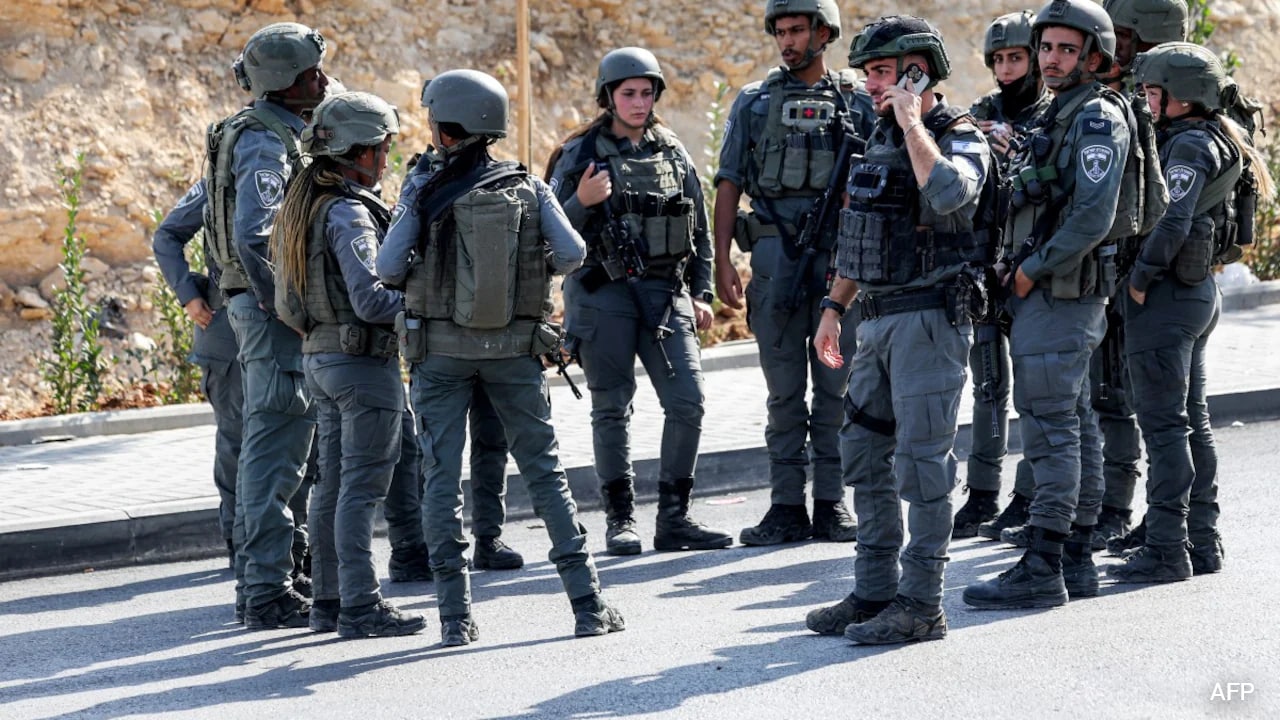
In rural northern Nigeria, a Fulani-led vigilante force operating under the name Pulaku has become both a rare lifeline for kidnapped captives and a source of alleged unlawful detention and severe beatings. That contradiction sits at the heart of a broader security crisis across Nigeria's north, where formal policing is stretched thin across vast forests, porous borders, and rural settlements. When armed kidnappers and cattle rustlers seize roads and villages, communities do not wait for distant federal deployments. They turn to whoever can hold ground or track the bush.
Having covered irregular security forces, militia economies, and weak-state governance for decades, I have learned that the most dangerous blind spot in any conflict is binary storytelling. Calling a group pure saviors or pure abusers misses how survival works when the state steps back. Pulaku operates inside a volatile ecosystem shaped by ethnic suspicion, retaliatory cycles, and an urgent demand for protection that conventional forces often struggle to meet.
Why Communities Turn to Armed Self-Help
State policing across northern Nigeria faces a structural math problem. Officers are concentrated in urban centers and highways, leaving dense forests, grazing routes, and remote farming belts with thin or intermittent coverage. Criminal syndicates exploit that distance ruthlessly. Gunmen strike settlements, abduct travelers and villagers for ransom, and vanish into wooded terrain where heavy vehicles move slowly and intelligence is hard to gather.
Against that backdrop, local patrols emerge out of necessity rather than ideology. In Adamawa State, public reporting has highlighted how Pulaku patrollers have helped rescue abducted residents and escort captives back toward safety, earning gratitude from families and even recognition from local religious leaders. When a hostage comes home alive after days in captivity, abstract debates about chain of command feel distant to the people waiting at home.
Yet necessity does not create oversight. Vigilante outfits typically form around local networks, shared grievances, and immediate operational needs rather than statutory rules of evidence. Once armed men begin detaining suspects, interrogating captives, and patrolling rural corridors on their own, the line between community defense and arbitrary punishment grows thin.
The Shadow of Abuse and Zero Accountability
Where there is armed authority without independent review, abuse follows sooner or later. Reporting on Pulaku has pointed to sharp allegations from individuals who say they were held for extended periods and beaten severely. In environments where kidnapping and cattle rustling carry immense fear, suspicion alone can become a death sentence or a prelude to prolonged mistreatment.
Consider a hypothetical example that illustrates how easily things spiral in an unmonitored patrol system. Suppose a local vigilante unit captures two young men near a forest edge after a recent abduction. One is an active scout for a kidnapping gang; the other is a herder who wandered into the wrong area looking for stray cattle. Without magistrates, documented intake logs, independent medical checks, or clear custody transfers to police, both men face the same rough justice in the bush.
That is the core dilemma of non-state security in fragile regions. A vigilante force can deter criminals one week and terrify innocent residents the next. Without legal boundaries and transparent oversight, rescue operations and human rights violations can exist inside the same organization.
Ethnic Politics and the Trap of Collective Blame
To understand why Pulaku draws intense scrutiny—and why its role is so contested—you have to look at the ethnic dynamics of northern security. Across parts of the north, decades of competition over land, grazing routes, water, and political influence have hardened mutual distrust between farming and pastoralist communities, as well as between different ethnic groups.
When armed banditry surged, collective blame became a routine hazard. Some residents began treating entire communities as complicit, while retaliatory vigilante actions by various groups sometimes targeted people based on identity rather than proven guilt. A Fulani-led vigilante group stepping into security enforcement therefore enters a minefield. Supporters see local defenders filling a gap left by state forces and criminal gangs alike. Critics worry about bias, unchecked coercion, or the entanglement of armed actors in wider communal rivalries.
When formal law enforcement is absent, armed groups quickly become political actors whether they intend to be or not.
Even the language surrounding security initiatives adds friction. State officials and community leaders in northern Nigeria have also pointed to non-kinetic and humanitarian efforts—such as displacement support and rehabilitation programs—alongside kinetic security operations. Separating genuine community stabilization from partisan or ethnic agendas remains one of the hardest tasks for policymakers in Abuja and state capitals.
What Policymakers Keep Getting Wrong
Too many security debates treat vigilantes as a binary choice: ban them outright or hand them a blank check. Both approaches fail in practice.
Banning local patrols without fixing rural response times leaves isolated villages exposed to armed raids and mass abductions. Residents will not surrender self-defense when they believe no police unit can reach them in time. Conversely, treating informal armed groups as a permanent substitute for professional policing entrenches parallel power centers, proliferates weapons, and erodes public trust in the rule of law.
Integration Beats Improvisation
If local patrollers are going to assist with intelligence, early warning, or perimeter security, they need strict rules before an operation begins, not excuses after a complaint surfaces. Clear protocols on immediate handover of suspects to formal police, prohibitions on unofficial detention sites, and visible community oversight are basic requirements. Without them, every rescue headline risks being followed by an abuse allegation that undercuts the very legitimacy the group relies on.
Fixing the Root Security Vacuum
Vigilantism is a symptom of an under-resourced state presence in rural hinterlands. Better rural roads, reliable communications, coordinated intelligence between state police and federal forces, and credible judicial follow-through do far more to break kidnapping networks than ad hoc militias ever can. Until ordinary citizens trust that the state can protect them fairly and hold abusive actors to account, communities will keep relying on armed neighbors—and paying the price when those neighbors cross the line.