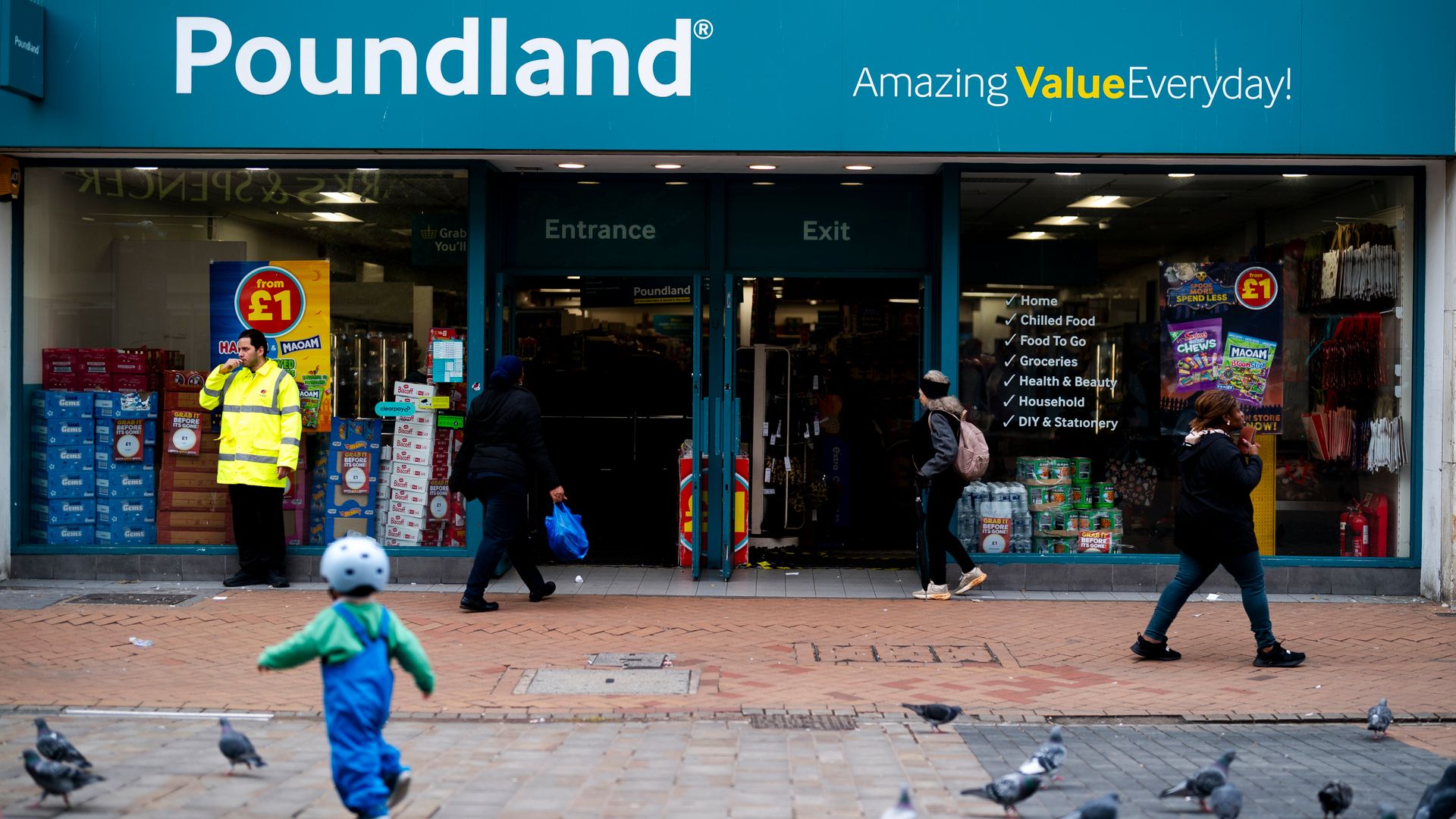
Gordon Brothers is pushing back against growing scrutiny over its stewardship of Poundland, arguing that aggressive restructuring, store rationalizations, and operational discipline are necessary to keep a legacy discount retailer viable in a brutal British retail market. Critics see a classic distressed-asset playbook unfolding in slow motion. Supporters see triage. The truth sits somewhere in the unglamorous middle of balance sheets, lease liabilities, and razor-thin retail margins.
Retail turnarounds rarely look pretty from the outside. When a restructuring specialist takes the wheel of a household name, every closed shutter and renegotiated supplier contract becomes front-page fodder. Yet to understand why Gordon Brothers is defending its record so forcefully, you have to look past the optics and examine the structural economics of modern value retail.
The Mechanics of Distressed Retail Stewardship
Most shoppers view a high street chain through the lens of full shelves and low prices. Restructuring firms view the exact same business as a web of fixed obligations, working capital cycles, and lease expiry dates.
Gordon Brothers built its global reputation on valuing, liquidating, and restructuring troubled retail and industrial assets. Unlike traditional private equity funds that rely heavily on financial engineering and long-term buy-and-build theses, firms specializing in distressed retail operate with a sharper, more immediate focus on cash preservation. When revenue softens or input costs spike, the margin for error vanishes almost overnight.
In value retail, the math is particularly unforgiving. Selling everyday essentials at fixed or ultra-low price points requires massive volume just to cover overhead. When wage floors rise, business rates remain stubbornly high, and supply chain freight costs fluctuate, a store footprint built for an earlier era quickly turns into an anchor.
Defending stewardship in this environment means explaining a harsh reality to stakeholders who want painless solutions. You cannot shrink-wrap a brick-and-mortar chain out of structural cost inflation without making unpopular operational calls.
Why Cash Flow Dictates Everything
In a healthy retail business, management talks about brand equity, customer lifetime value, and multi-year store rollouts. In a turnaround, the conversation narrows to liquidity.
Every pound tied up in slow-moving inventory is a pound unavailable to pay suppliers or landlords. Restructuring teams typically move fast to clear dead stock, tighten purchasing terms, and exit underperforming locations where rent exceeds store-level contribution. To outsiders, these moves look like asset stripping or a lack of long-term vision. To the operators running the spreadsheets, failing to cut bleeding stores puts the entire enterprise at risk of insolvency.
The Structural Trap Facing UK Value Retailers
Poundland did not arrive at a crossroads in a vacuum. For years, the single-price discounter model thrived on simplicity and treasure-hunt appeal. Shoppers walked in knowing everything cost a pound, which created a psychological permission to buy on impulse.
Then inflation broke the single-price promise. Once economic reality forced the introduction of multi-price tiers, Poundland lost its clearest point of differentiation. Suddenly, it was no longer operating in a protected niche. It was fighting head-to-head against supermarkets, continental discounters like Aldi and Lidl, and aggressive domestic rivals such as B&M and Home Bargains.
Those competitors enjoy massive scale advantages in grocery logistics and larger out-of-town retail park footprints. High street locations, once the lifeblood of convenience-led value shopping, became increasingly expensive to operate per square foot as footfall patterns shifted permanently toward retail parks and online ordering.
The High Street Cost Squeeze
Consider the fixed cost stack of a typical British high street unit. Business rates are tied to property valuations that often lag behind actual trading conditions. Minimum wage increases directly impact store-level payroll, which represents one of the largest controllable expenses in retail. Energy costs, while off their absolute peaks, remain structurally higher than they were a decade ago.
When you sell high-margin luxury goods, you can absorb a few percentage points of cost inflation by nudging ticket prices upward. When you sell toothpaste, snacks, and household cleaners to price-sensitive households, raising prices by even ten pence sends shoppers straight across the street.
Where the Critics Have a Point
Defending a restructuring strategy does not make that strategy immune to criticism. Industry analysts, landlords, and labor advocates have raised legitimate questions about how distressed-asset specialists balance short-term stabilization against long-term brand health.
Aggressive cost-cutting carries an inherent operational risk. If store payroll is trimmed too far, shelves go unstocked, queues lengthen at the tills, and store standards deteriorate. In value retail, shoppers will forgive basic store fixtures, but they will not forgive empty shelves or chaotic aisles. Once a shopper breaks the habit of visiting a local branch, winning them back requires heavy promotional spending that a cash-conscious owner is reluctant to approve.
There is also the tension with commercial landlords. Restructuring owners frequently use lease expiries, rent reductions, or formal insolvency mechanisms to reset property costs. While legally sound and financially logical, playing hardball with landlords can sour relationships with major institutional property owners, making it harder to secure prime sites if the business eventually pivots back to growth.
The Supplier Confidence Factor
Perhaps the most delicate balancing act in any retail turnaround involves trade credit. Retailers rely on suppliers shipping goods today for payment thirty, sixty, or ninety days later.
When headlines question an owner's commitment or highlight financial strain, credit insurers get nervous. If credit insurance is pulled or reduced, suppliers demand cash on delivery or shorter payment windows. That sudden drain on working capital can cripple a retailer faster than a bad Christmas trading period. Gordon Brothers' public defense of its stewardship is aimed just as much at nervous suppliers and credit insurers as it is at the financial press.
Understanding the Playbook Behind the Defense
To see how a restructuring owner approaches a troubled retailer, consider a hypothetical example of a 500-store high street chain losing money on its bottom 15 percent of locations.
A traditional corporate board might spend eighteen months commissioning consultant reports, testing minor store refits, and hoping macroeconomic conditions improve. During those eighteen months, those seventy-five loss-making stores quietly burn through tens of millions in cash, starving the profitable 425 stores of capital investment.
A turnaround specialist takes the opposite approach. Within months, they categorize the estate into three buckets: core profitable stores, marginal stores viable only with lower rent, and terminal stores that cannot work under any realistic scenario. They exit the terminal sites as leases expire or through negotiated surrenders, demand rent concessions on the marginal sites, and funnel the saved cash into inventory availability for the core estate.
The total revenue of the company shrinks. The store count drops. Headlines declare that the brand is in retreat. Yet the underlying EBITDA of the remaining business stabilizes, turning a cash-burning liability into a smaller, solvent enterprise.
Why Turnaround Stewards Rarely Win Popularity Contests
There is an inherent communications problem built into retail restructuring. Success is measured by what did not happen.
If a restructuring firm intervenes, shrinks a business by twenty percent, renegotiates its debt, and preserves thousands of jobs across the remaining stores, critics still focus on the twenty percent that was lost. Nobody writes celebratory profiles about a retail chain surviving to fight another fiscal year with a smaller footprint.
Conversely, if an owner tries to preserve every store and maintain legacy cost structures to appease public sentiment, the entire chain risks collapsing into administration—a outcome that wipes out all jobs, leaves landlords with empty units, and leaves unsecured suppliers with pennies on the pound.
Gordon Brothers knows this dynamic intimately. Having operated through multiple retail cycles across North America and Europe, its executives understand that stewardship in a distressed scenario is rarely about expansion. It is about survival, optionality, and buying time for the core business model to adapt.
What Actually Determines Long-Term Survival
Public defenses and strategic assurances only carry weight for so long. Ultimately, the verdict on Gordon Brothers' stewardship will be written in store-level metrics rather than press statements.
Three operational indicators matter more than any corporate messaging:
- Like-for-like sales volume in core stores. Strip out store closures and price inflation; are existing locations moving more units through the tills?
- Working capital stability. Are suppliers shipping consistently without demanding onerous upfront payment terms?
- Gross margin resilience. Can the business maintain competitive shelf prices against Aldi, Lidl, and B&M without eroding its own margin to zero?
If those three metrics hold steady, the painful restructuring decisions look like disciplined stewardship in hindsight. If they deteriorate, no amount of strategic justification will prevent another round of hard choices.
Retail turnarounds are unforgiving tests of operational nerve, and the margin between a disciplined rescue and a managed decline is measured in single percentage points of store-level cash flow.