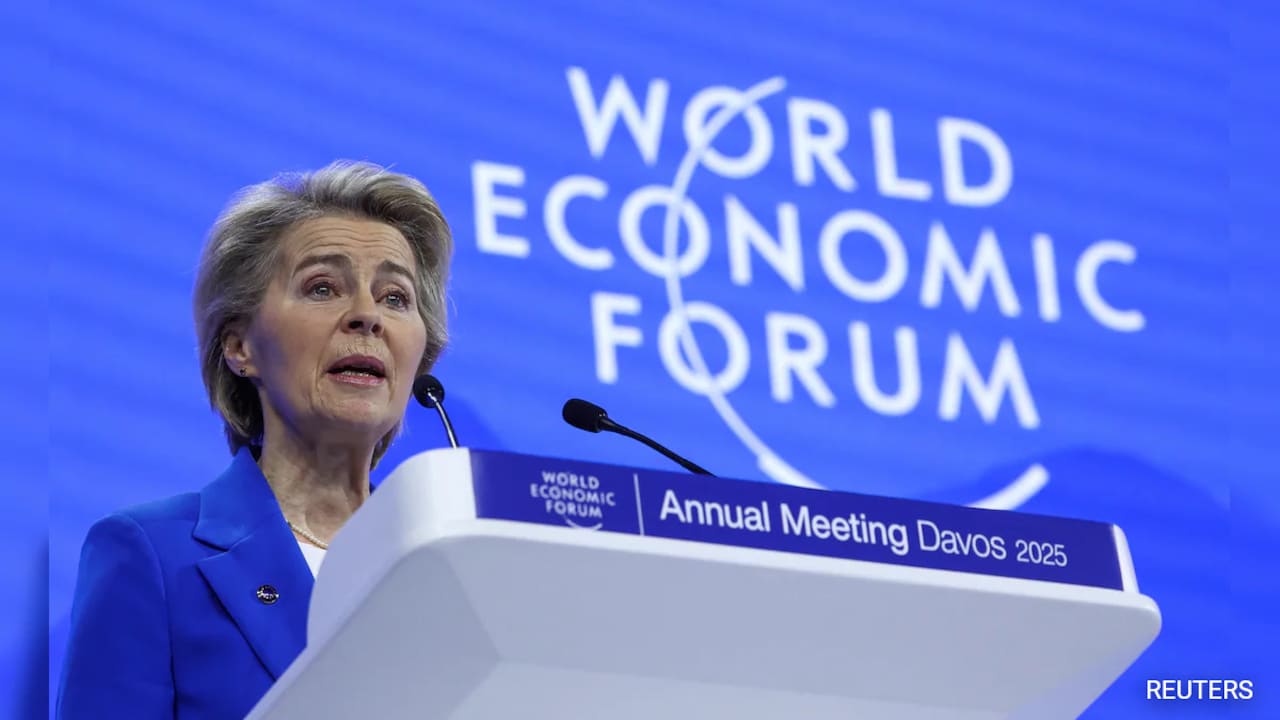
The transatlantic diplomatic lexicon shifted on an autumn morning in Strasbourg when European Commission President Ursula von der Leyen publicly floated a term with no legal standing inside the EU treaties: associate member status for Canada.
The headline grabbed global attention, framed as an ambitious European riposte to the unpredictable trade shocks emanating from Washington. Prime Minister Mark Carney walked into the European Parliament to a standing ovation, signaling that Ottawa was ready to diversify its economic dependencies away from a southern neighbor absorbing roughly seventy percent of Canadian exports.
Yet behind the rhetoric of the newly minted "Alliance for the Future," the reality of this diplomatic pivot reveals a complex administrative friction that both sides are scrambling to manage.
Associate membership is not a recognized tier under European Union law. It has no historical precedent, no pre-existing legislative playbook, and no institutional framework. Within weeks of the initial fanfare, diplomats drafting the joint summit communions quietly dropped the term "associate member" from official working texts, opting instead for dry phrases regarding a partnership "short of accession".
The tension points to a fundamental mismatch between Brussels' bureaucratic architecture and Ottawa's urgent geopolitical necessity.
Canada cannot join the European Union. Geography remains an immutable constraint, and full membership requires budgetary contributions, acceptance of the jurisdiction of the European Court of Justice, and freedom of movement principles that Ottawa has no mandate to negotiate. When the European Council on Foreign Relations evaluated the proposal, analysts warned that an undefined label risked meaning nothing at all or simply rebranding the existing Comprehensive Economic and Trade Agreement (CETA) with a fresh coat of political paint.
To understand why this alliance matters despite the nomenclature debate, look at the concrete mechanics being stitched together behind closed doors.
The substance of the agreement focuses heavily on critical minerals supply chains, artificial intelligence governance, defense cooperation, and liquefied natural gas delivery. With European energy security permanently altered by the severing of Russian supply lines, Canada's vast resource reserves represent a strategic lifeline. Conversely, Canadian policymakers facing aggressive American tariff postures find in Europe a massive, stable regulatory block willing to harmonize competition laws and streamline cross-border digital transactions.
The challenge lies in execution.
Trade agreements between middle powers and major blocs routinely bog down in technical harmonization. For instance, mutual recognition of professional qualifications has historically stalled because provincial licensing bodies in Canada guard their turf with the tenacity of medieval guilds. Aligning digital privacy frameworks and artificial intelligence safety standards across a common Atlantic market requires synchronizing regulatory systems that move at radically different speeds.
Carney’s government understands that labeling matters far less than leverage. The pragmatic reality of the Alliance for the Future is an incremental framework: deeper integration into research funding programs like Horizon Europe, student exchange expansions via Erasmus+, and coordinated competition enforcement to penalize multinational corporate overreach.
The old multilateral order built on predictable American hegemony has fractured. Middle powers do not have the luxury of mourning multilateralism when bilateral coercion becomes the default instrument of global trade. By institutionalizing ties with Brussels, Ottawa is building a structural hedge against protectionist storms.
Whether this loose collection of sectoral agreements hardens into a permanent geopolitical axis or remains an ambitious talking point depends entirely on whether negotiators can translate high-altitude political declarations into binding domestic legislation on both sides of the ocean.