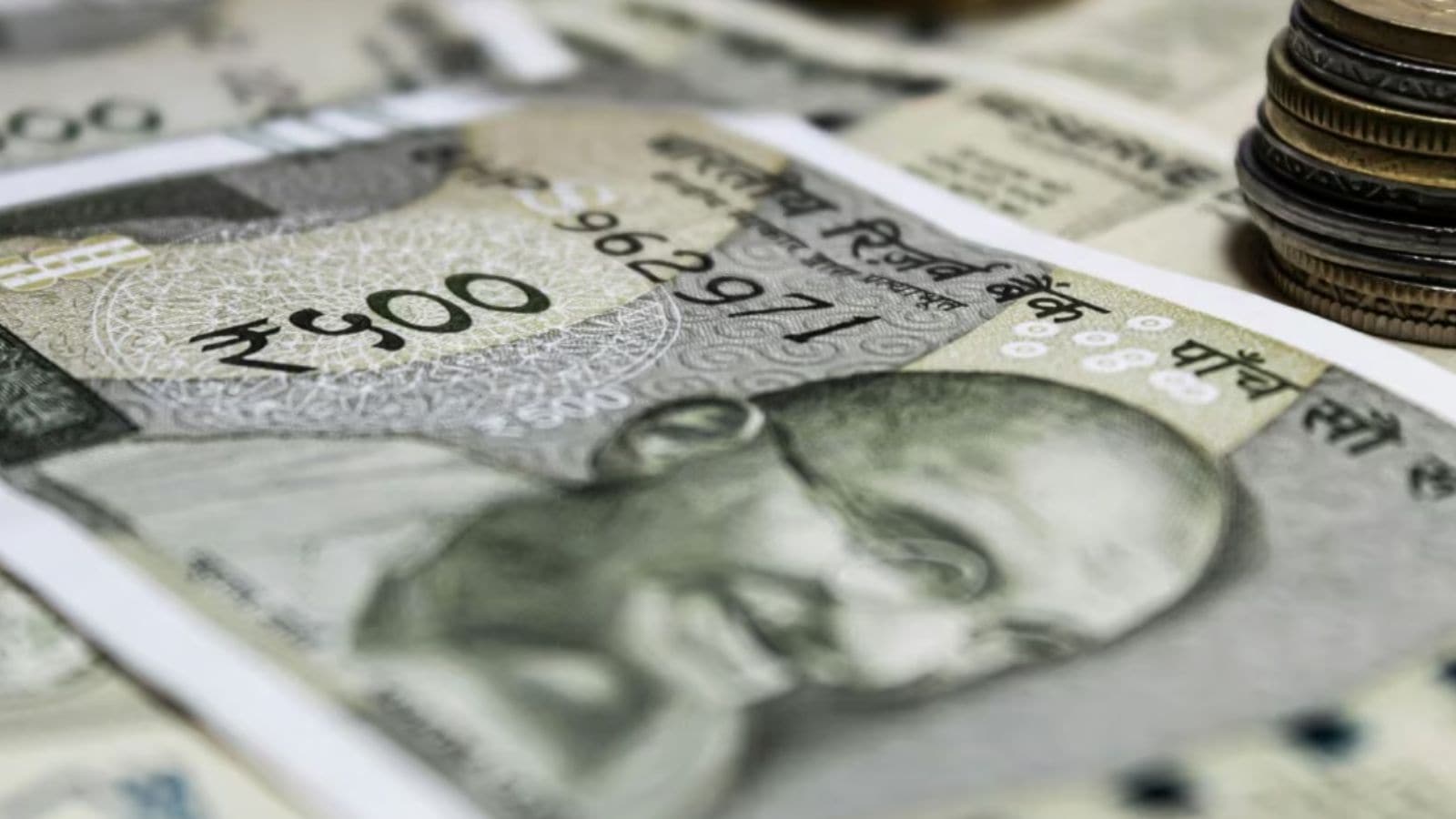
For nearly a decade, crossing the open border into Nepal with anything larger than a hundred-rupee note felt like participating in a low-stakes smuggling operation. That arbitrary barrier has officially fallen. Under a reissued directive from the Nepal Rastra Bank, travelers can now carry Indian currency notes of ₹200 and ₹500 denominations up to a total limit of ₹25,000 per person, provided those bills were printed after India's chaotic 2016 demonetization.
The policy shift resolves a long-standing point of friction for Indian tourists and cross-border traders. Yet, looking past the bureaucratic relief reveals a much messier financial reality on the ground.
The Ten-Year Cash Bottleneck
When New Delhi invalidated ₹500 and ₹1,000 notes overnight in November 2016, shockwaves rippled through Himalayan commerce. Nepal's central bank clamped down hard, banning all Indian notes above the ₹100 denomination.
The logic was defensive. Vaults across Kathmandu and border towns were stuffed with old Indian legal tender that the Reserve Bank of India initially refused to exchange. Officials feared illicit stashes flooding across the porous frontier.
The collateral damage fell squarely on everyday visitors. Carrying ₹25,000 entirely in ₹100 notes meant lugging around bulky, heavy bundles of paper just to pay for hotel rooms, meals, or mountain guides.
+------------------------------------------------------------------+
|                  THE EVOLUTION OF BORDER CASH LIMITS             |
+--------------------------+---------------------------------------+
| Metric                   | Status                                |
+--------------------------+---------------------------------------+
| Overall Value Cap        | ₹25,000 per person (Unchanged)   |
| Permitted Denominations  | ₹1, ₹2, ₹5, ₹10, ₹20, ₹50, ₹100,      |
|                          | ₹200, and post-2016 redesigned ₹500   |
| Prohibited Notes         | Pre-Nov 9, 2016 ₹500 and ₹1,000 |
+--------------------------+---------------------------------------+
While the overall value ceiling remains pinned at ₹25,000, allowing ₹200 and ₹500 notes reduces physical volume by half. Pocket space is reclaimed. Transaction friction drops.
The Fine Print Nobody Is Reading
Central bank announcements rarely tell the whole story. While the headline change permits the newly minted ₹200 and ₹500 notes issued on or after November 9, 2016, enforcement nuances create traps for the unwary traveler.
Nepal Rastra Bank spokesperson Guru Prasad Paudel emphasized strict territorial boundaries during recent clarifications. Nepalese citizens cannot bring Indian currency into Nepal from any nation except India. Nor can they export that cash to a third country.
Furthermore, travelers must navigate separate customs thresholds. While foreign visitors can bring up to USD 5,000 into Nepal without a declaration, utilizing Indian currency beyond strict limits invokes rigorous tracking. If a hypothetical tourist tries to mix massive cash reserves with higher denominations without declaring them, they risk immediate confiscation at customs checkpoints.
Why Physical Cash Endures In A Digital Era
Skeptics might wonder why cash limits matter at all. Digital payment networks have expanded rapidly across South Asia. Unified Payments Interface (UPI) integration has theoretically bridged economic borders.
In practice, digital connectivity breaks down precisely where most tourists want to go. Trekking through the Annapurna circuit or exploring remote homestays in Mustang reveals a stark absence of reliable internet infrastructure.
Connectivity vanishes behind mountain ridges. Point-of-sale machines fail when local cellular towers lose power. In these pockets, paper currency remains king.
Relying entirely on digital apps in rural Nepal is a gamble. Smart travelers keep physical cash reserves as an absolute safety net.
Economic Realities Of The Open Border
The timing of this regulatory adjustment highlights deeper economic integration. India remains Nepal's primary trading partner. Countless families straddle the border for seasonal labor, education, and wholesale commerce.
Restricting currency denominations acted as a hidden tax on this movement. Small-scale merchants previously lost margins converting smaller bills or absorbing exchange penalties.
By streamlining cash logistics, both nations acknowledge that formal financial channels must adapt to human traffic, not the other way around.
The policy shift does not mean an open season for unlimited wealth transfers. The ₹25,000 boundary is a hard stop. Exceeding it without proper clearance invites scrutiny from financial intelligence units on both sides of the border.
Pack the redesigned notes carefully. Keep the receipts. Check the print dates before crossing.
The border is open, but the ledger is watched.