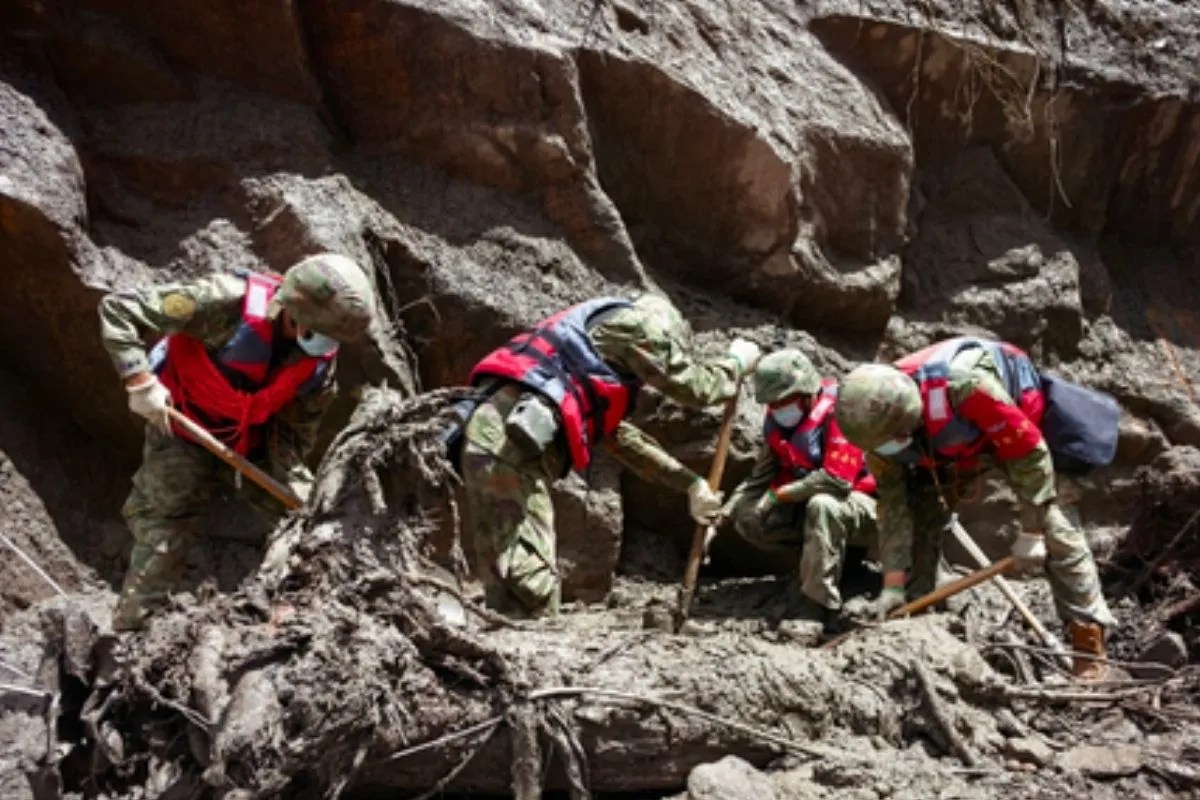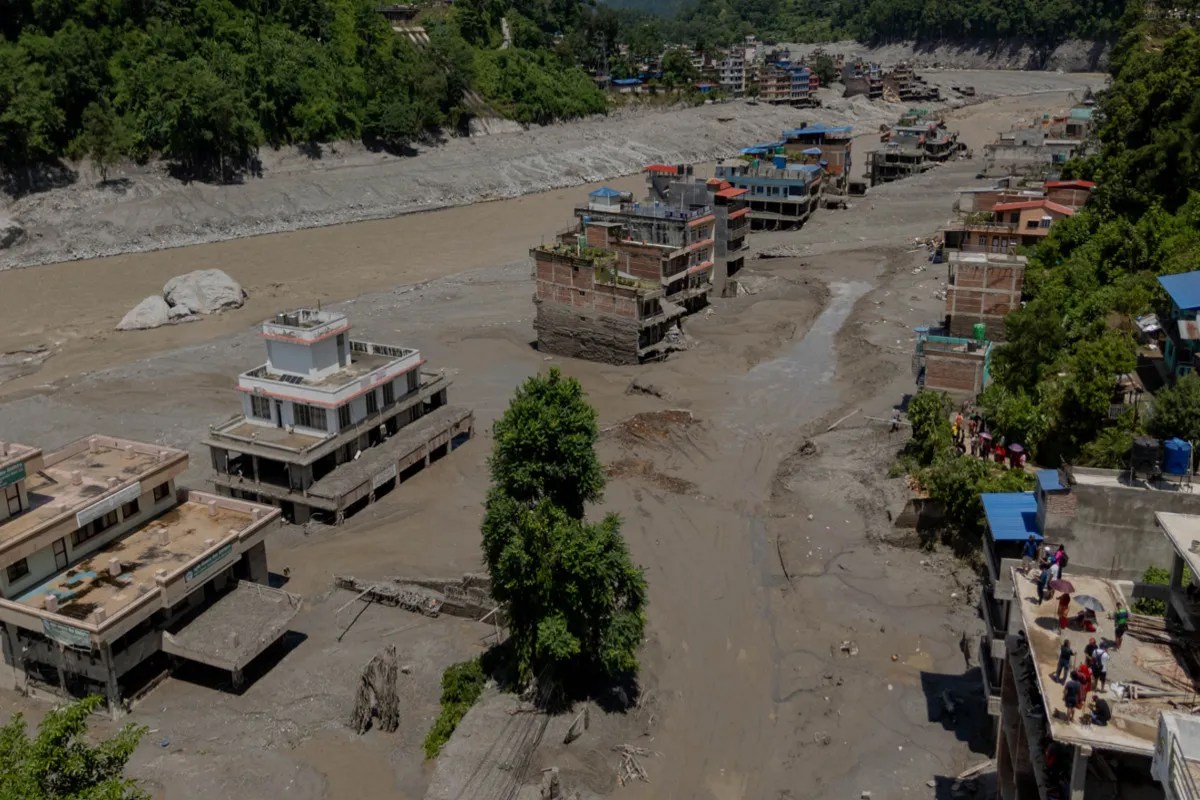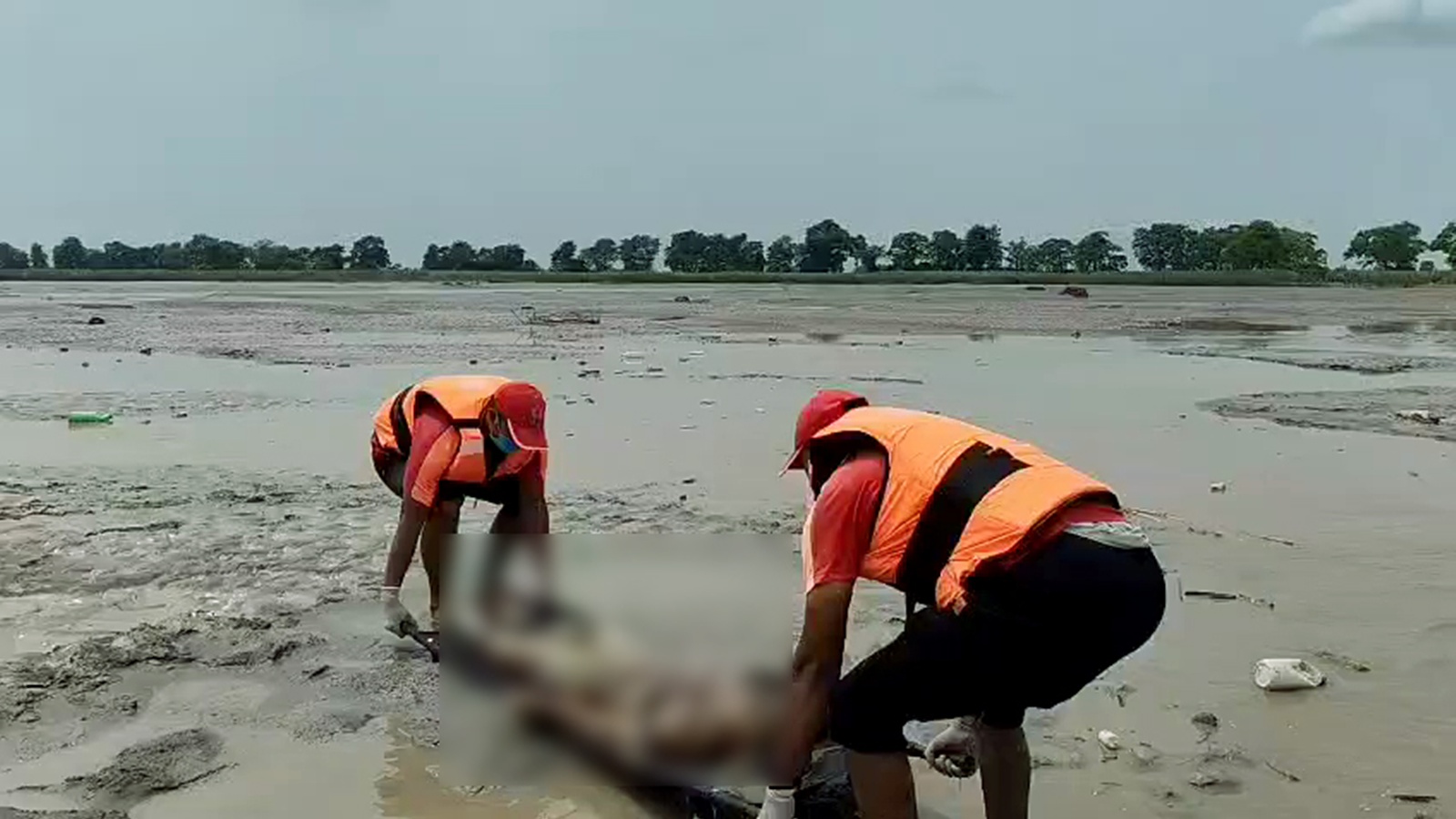
The water did not just swallow homes and tear through hydropower tunnels along the Bhotekoshi and Trishuli river corridors; it carried hundreds of victims downstream across a two-hundred-kilometer trail of debris, dumping a horrifying administrative and humanitarian nightmare onto communities entirely unequipped to handle it. When flash floods tore through central and southern Nepal, the immediate death toll was only the first catastrophe. Within days, local morgues in districts like Chitwan and Kaski hit their absolute limits, forcing authorities into grim logistical triage as hundreds of bodies began to decompose in the sub-tropical heat. Hospital coolers designed to hold a few dozen corpses were suddenly overwhelmed by hundreds of recoveries, leaving officials scrambling to convert community halls and abandoned government buildings into makeshift cold storage using dry ice and portable air conditioning units.
At the center of this breakdown is an acute infrastructural deficit that exposes how fragile emergency disaster response remains in the region. Local medical facilities possess neither the sub-zero freezing infrastructure required for long-term preservation nor the forensic manpower to process mass casualties efficiently. In Chitwan, where the death toll mounted rapidly as the Narayani river spat out bodies near the Indian border, district hospitals with a combined capacity of thirty to fifty bodies were suddenly forced to absorb over two hundred. An unused building belonging to the Industrial Enterprise Development Institute in Bharatpur had to be hastily repurposed into a temporary holding center. Similar scenes played out in Pokhara, where regional hospitals exceeded their eighty-eight-body capacity by dozens of victims transferred from neighboring districts like Dhading and Gorkha.
Time is an unforgiving enemy when ambient temperatures accelerate cellular breakdown. Standard hospital mortuaries operating at temperatures between two and six degrees Celsius can buy authorities roughly ten days to two weeks before visual identification becomes nearly impossible. Beyond that window, investigators are forced to rely entirely on secondary markers such as tattoos, clothing, fingerprints, and DNA extraction. The logistical bottleneck grew so severe that authorities in Chitwan faced an impossible choice regarding hundreds of unidentified and unclaimed remains. Rather than allowing the bodies to rot entirely beyond recognition, officials began the painful process of bulk burials after collecting DNA samples, dental records, and assigning unique tag numbers linked to QR codes for future matching.
The cross-border dimension of the disaster has compounded the anguish, particularly for families searching for hundreds of missing Indian nationals. Reports indicate that more than three hundred Indian citizens—many of them pilgrims traveling toward Tibet or workers stationed along infrastructure projects—remain uncontactable. Grieving relatives carrying framed photographs have flooded local checkpoints and makeshift help desks in Kathmandu and Chitwan, desperate for news. Because the violent torrents carried bodies across international boundaries into Uttar Pradesh districts like Maharajganj and Kushinagar, where Indian security personnel recovered victims from the Gandak river, consular coordination has turned into a tangled bureaucratic race against time. Nationality cannot be assumed by proximity, and matching a badly decomposed body pulled from a riverbank in southern Nepal to a missing person report from across the border requires rigorous forensic cross-verification that local police departments are struggling to fund and staff.
This disaster lays bare a systemic failure in disaster management planning across Himalayan river basins. Early warning systems and upstream dam releases from neighboring regions frequently trigger sudden surges, yet downstream communities operate in functional isolation without synchronized emergency protocols. When mass casualty events occur, regional administrative centers are routinely forced to reinvent the wheel, improvising morgue space with donated dry ice and hastily wiring community forest halls. The decision to bury unidentified victims to prevent a secondary public health crisis closes a chapter for overburdened local municipalities, but it leaves families in a permanent state of limbo, relying on database entries and preserved DNA vials stored in distant laboratories to one day learn the fate of their loved ones.