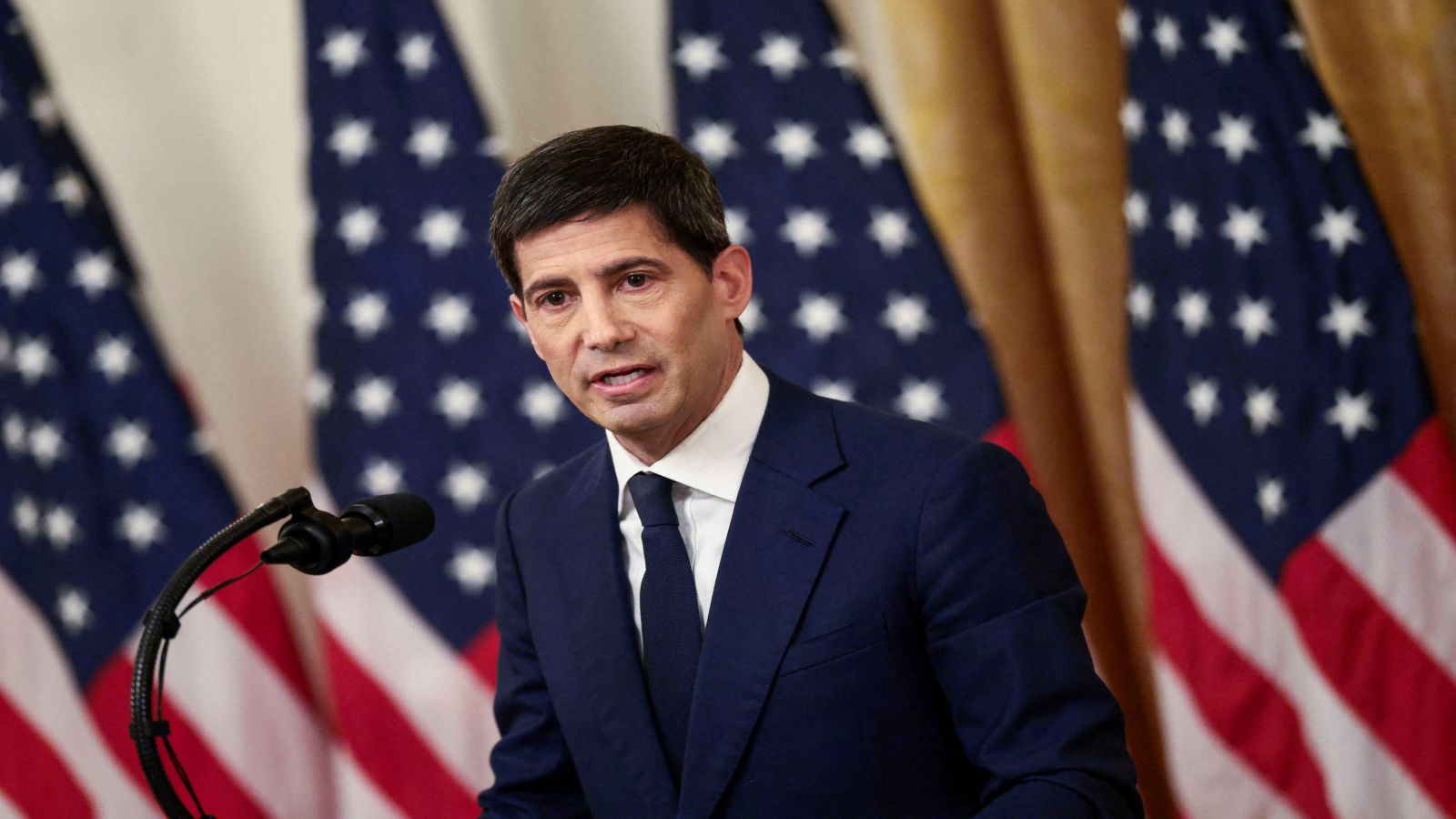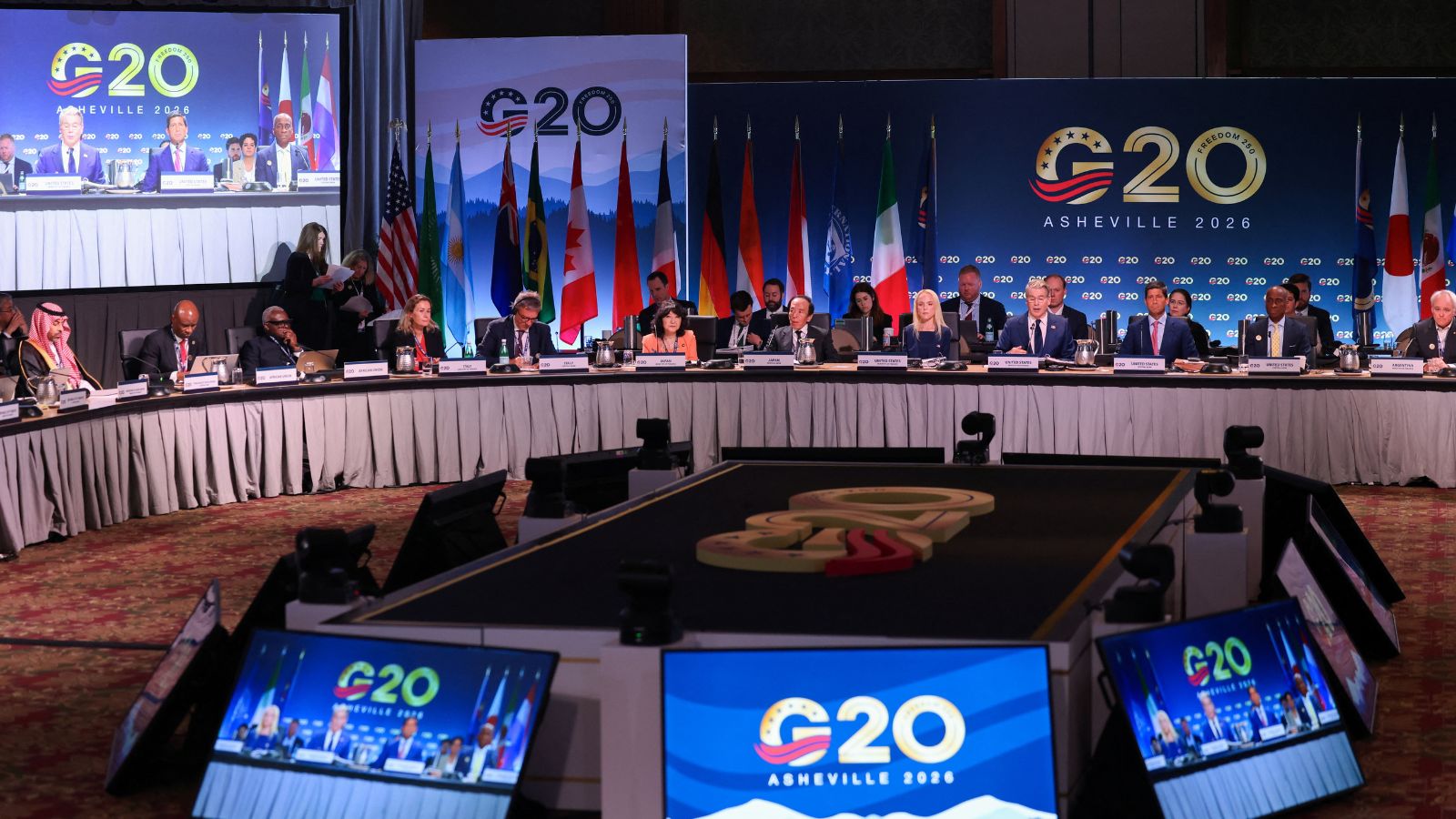
The recent G20 Finance Ministers and Central Bank Governors meeting in Asheville, North Carolina, concluded not with an agreed-upon multilateral communiqué, but with a fractured Chair’s Statement issued unilaterally by United States Treasury Secretary Scott Bessent. When a global economic summit defaults to a chair's reading of the room rather than a signed consensus document, the diplomatic breakdown is absolute. Nineteen members managed to find alignment on structural economic imbalances and the corrosive nature of unbridled export surpluses, yet Beijing steadfastly dissented. This procedural retreat exposes deep structural rifts in global monetary governance, shifting multilateral financial diplomacy away from cooperative compromise and toward open geopolitical friction.
The Mechanics of Consensus Failure
Multilateral bodies rely on sanitized language to mask underlying economic warfare. When that veneer cracks, the mechanism of failure usually traces back to intractable trade imbalances. The core point of contention in Asheville centered on what Washington categorized as excessive external surpluses and predatory export models.
For years, surplus economies have utilized external demand to absorb domestic overproduction, driving down global prices while hollow-out manufacturing sectors elsewhere. Treasury officials pushed for binding language targeting these non-market policies. China refused to sign away its primary economic valve.
Without consensus, the traditional communique was dead on arrival. A chair statement carries zero collective legal or policy commitment. It functions as a diplomatic parking lot for unresolved arguments.
Energy Chokepoints and Macroeconomic Pressures
Beyond trade fights, the document underscored acute anxieties regarding physical supply chains and energy transit corridors. The formal text spotlighted the Strait of Hormuz, stressing the absolute necessity of predictable, safe navigation through global chokepoints.
Energy shocks remain the primary transmission channel for imported inflation. When maritime transit faces persistent security threats, insurance premiums spike, freight curves steepen, and central banks find their pricing models upended. Yet, acknowledging a vulnerability in a non-binding statement does nothing to clear the maritime lanes. Markets understand that rhetoric cannot substitute for operational security in key trade arteries.
Simultaneously, the gathering grappled with the structural bifurcation of monetary policy. Central bank independence received the mandatory procedural nod, but individual member states are diverging wildly in execution. While domestic authorities attempt to calibrate inflation targets against shifting productivity curves driven by automation, currency markets are forced to price in massive policy asymmetries.
The Digital Asset Consensus Paradox
Curiously, amidst geopolitical gridlock, the G20 finance track managed a synchronized nod toward digital financial infrastructure. The chair's statement carved out clear pathways for responsible innovation in digital assets, explicitly connecting them to cross-border payment efficiencies and economic growth.
This inclusion was not an accidental oversight. Major jurisdictions are rapidly formalizing their own internal perimeters. The United States is moving toward implementing strict frameworks for payment stablecoins, while international standard setters await comprehensive analysis from the Financial Stability Board regarding cross-border data flows and systemic contagion risks.
By pushing for longer operating hours in large-value payment systems and broader adoption of the ISO 20022 messaging standard, finance chiefs are quietly modernizing the plumbing of global finance even as their political masters fail to agree on basic trade rules. They are preparing the architecture for a tokenized, high-speed settlement environment. They are doing this while the macroeconomic foundation above them fractures into regional blocs.
What the Failure Signifies for Markets
Surveillance of global imbalances remains officially anchored in the mandate of the International Monetary Fund, but the IMF’s ability to act as an effective referee is compromised when major shareholders refuse to coordinate. When surplus nations reject domestic consumption reforms and deficit nations lean deeper into fiscal expansion, the resulting structural tension must resolve somewhere.
It resolves in currency volatility, sudden capital account restrictions, and retaliatory tariff regimes. The Asheville meeting proved that the major economic powers are no longer even pretending to steer the global vessel together. They are simply shouting instructions from opposite ends of a sinking deck.