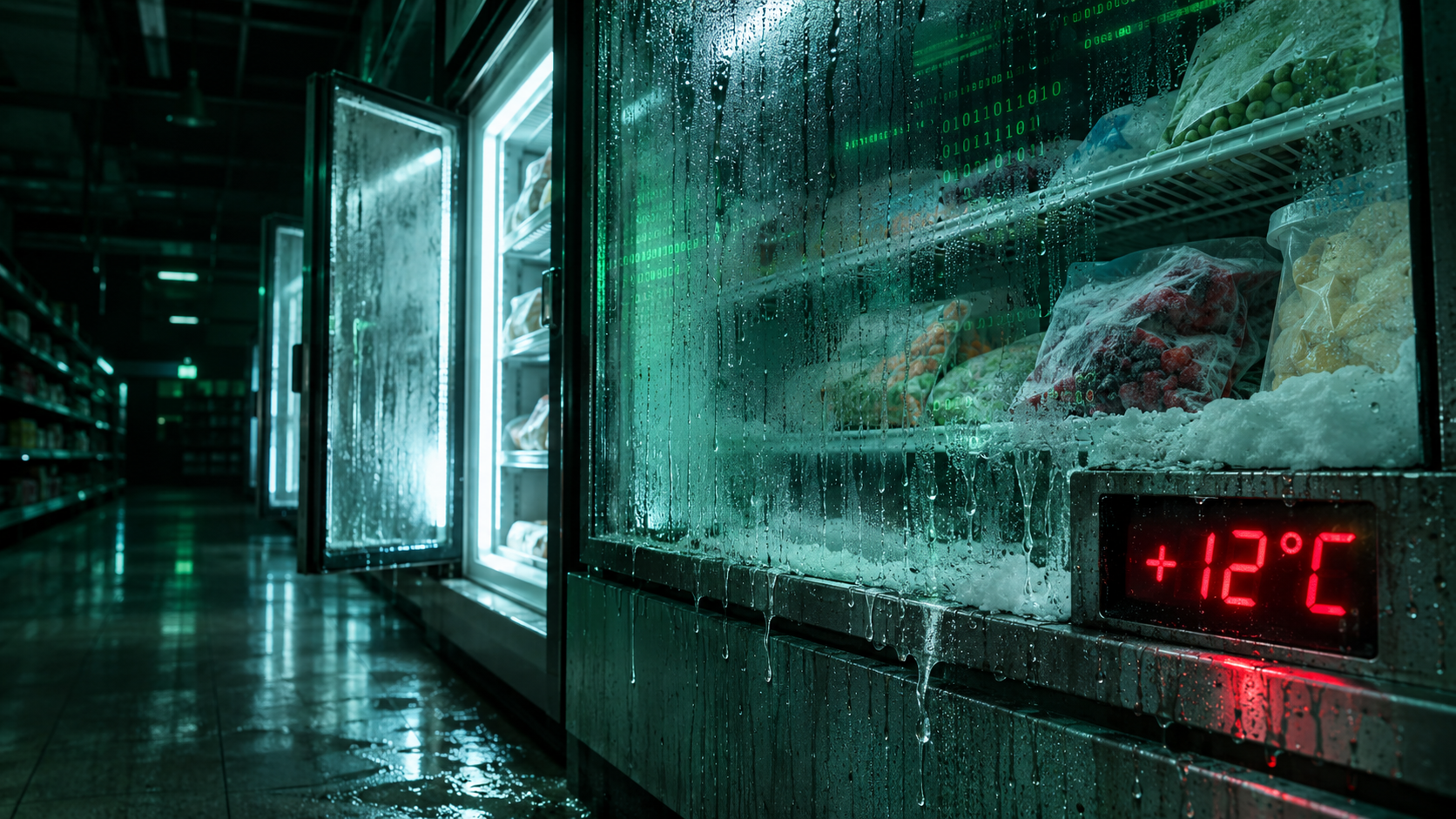
The Europe supermarket fridge hack is not a clever consumer trick or a TikTok shortcut for keeping milk cold longer. It is a sweeping regulatory, mechanical, and financial overhaul across European grocery chains to strip synthetic hydrofluorocarbons out of commercial refrigeration and replace them with natural refrigerants, closed-loop heat recovery, and strict temperature-zoning rules. Driven by tightening European Union F-gas regulations and brutal commercial electricity bills, supermarket operators have spent the past decade re-engineering the humming steel boxes that keep food safe. What looks like an invisible technical adjustment behind the yogurt aisle actually alters store construction costs, energy budgets, food shelf life, and shopper habits across the continent.
Walk down a grocery aisle in Frankfurt, Lyon, or Madrid and you hear the difference before you see it. Older stores used to drone with a flat, constant hum from centralized racks pumping synthetic chemicals through miles of copper pipe. Newer and retrofitted stores click, modulate, and pulse as variable-speed compressors adjust to real-time thermal loads. Sometimes a chilled dairy case sits behind a glass door that used to be wide open. Sometimes a freezer aisle runs slightly warmer than the old bone-chilling standard because food scientists and regulators re-examined what safety actually requires. You might also find this similar coverage interesting: The Texas Corporate Risk Matrix and the Death of Political Neutrality.
Having covered commercial retail infrastructure and energy markets across Europe for twenty-five years, I have watched plenty of "green" initiatives turn into public relations exercises. Refrigeration is different. A supermarket cannot fake a cold chain. If the temperature drifts upward by four degrees over a hot weekend, thousands of euros of meat, dairy, and ready meals spoil, and food safety inspectors arrive with clipboards. That unforgiving physical reality makes the refrigeration shift one of the most consequential operational tests in modern European retail.
Why European Grocery Chains Had to Tear Up Their Cooling Playbook
Commercial refrigeration sounds boring until you look at the numbers. In a typical European supermarket, refrigeration accounts for roughly thirty to fifty percent of total electricity consumption, far outpacing lighting or heating in most climates. For decades, chains relied on hydrofluorocarbons (HFCs) because they were stable, non-flammable, and easy to manage in large centralized systems. As highlighted in latest reports by The Economist, the effects are worth noting.
Then climate policy caught up with chemistry. Many HFCs carry global warming potential (GWP) scores thousands of times higher than carbon dioxide. Even when equipment ran properly, slow leaks from gaskets, valves, and vibrating pipe joints bled potent greenhouse gases into the atmosphere every year. A single leaking supermarket rack could emit the climate equivalent of dozens of cars over a season.
European lawmakers responded with phased bans, quota step-downs, and servicing restrictions under the EU F-gas framework, alongside national rules in countries like Germany, Denmark, and the Netherlands. Suddenly, the cheap synthetic refrigerants operators had budgeted around became scarce or expensive to service. Waiting to see how the market settled stopped being a viable option when a major compressor failure could leave a store without approved replacement gas.
Energy prices added gasoline to the fire. When wholesale power spikes hit Europe, a store burning massive amounts of electricity to cool open multi-deck chillers feels the pain on its weekly profit-and-loss statement. Cutting refrigerant leaks alone was never enough for chief financial officers. They needed systems that used less power, recovered waste heat, and survived tighter regulatory inspections without constant emergency callouts.
How the Europe Supermarket Fridge Hack Actually Works on the Shop Floor
There is no single magic box behind the scenes. Instead, operators combine several engineering moves that work together like gears in a clock.
First comes the switch to natural refrigerants, primarily carbon dioxide (CO2) in transcritical or subcritical booster systems, propane (R290) in self-contained plug-in units, and ammonia in large distribution centers and hypermarkets. CO2 sounds counterintuitive because it operates at much higher pressures than traditional synthetic gases. Engineers had to redesign valves, piping, and safety controls to handle those pressures safely, especially in warmer southern European summers where CO2 systems historically lost efficiency unless paired with ejectors or adiabatic gas coolers.
Second is heat recovery. Every refrigerator is really a heat pump moving warmth out of food and dumping it somewhere else. Smart European stores capture that extracted heat and route it into space heating, domestic hot water, or air curtains near entrances. In milder or colder climates, a supermarket's cooling system can supply a huge share of the building's heating demand, turning a pure cost center into a dual-purpose utility.
Third is air containment and zoning. An open-front chiller acts like a waterfall of cold air spilling onto the shoes of shoppers. Putting glass doors on dairy and beverage cases stops that cold spill, cuts compressor workload sharply, and keeps aisle temperatures more comfortable for staff and customers. Pairing doors with LED lighting—which emits far less heat than older fluorescent tubes—reduces the cooling penalty inside the cabinet.
Consider a hypothetical example to see how the math shifts. Imagine a mid-sized urban supermarket in northern Europe operating with an aging HFC rack system and open chillers. When management replaces the central rack with a CO2 transcritical system featuring heat recovery and adds glass doors to chilled beverage and dairy units, electricity draw from refrigeration drops noticeably, winter gas or district-heating bills fall as waste heat warms the store and hot water loops, and the chain eliminates exposure to shrinking HFC quotas. The upfront capital expenditure is steep, yet the combination of lower power draw, reduced maintenance risk, and compliance certainty changes the ten-year operating curve.
A supermarket's refrigeration system does not "create cold" out of thin air; it moves heat from inside food packages into the surrounding environment, and every watt wasted moving that heat hits the store's bottom line twice—once at the meter and again when extra cooling is needed to fight stray warmth.
The Hidden Trade-Offs Nobody Mentions in Glossy Case Studies
Engineering upgrades rarely come free of friction. Anyone who tells you switching refrigerants and adding doors to fridges is pure upside is selling something.
Upfront capital expenditure stops smaller independent grocers in their tracks. A large supermarket group with hundreds of stores can negotiate framework contracts with equipment manufacturers, train in-house technicians, and amortize costs across a vast estate. A family-owned neighborhood market leasing a tight urban storefront faces steep installation bills, structural constraints, and limited roof or yard space for external heat exchangers.
Technician shortages remain a quiet bottleneck across Europe. Working safely with high-pressure CO2 or flammable hydrocarbons like propane requires specialized training, updated tools, and strict safety protocols. Across several European countries, service firms struggle to recruit enough certified refrigeration engineers to keep pace with installations and preventive maintenance. When a specialized unit faults on a Friday evening, finding the right technician fast can be harder than it used to be.
Shopper behavior introduces another wrinkle. Doors on fridges save energy. They also create a tiny psychological barrier. Some shoppers hesitate to open a glass door to grab a carton of milk or a pack of sliced ham, especially during rush hour when aisles are crowded. Retailers have had to use clear signage, smooth-glide hinges, and bright interior lighting to keep grab-and-go sales from slipping.
Temperature settings have also come under scrutiny. Pushing freezers colder than necessary burns extra energy without improving food safety for many frozen products. Regulators and industry bodies have debated tightening or clarifying temperature tolerances—such as allowing brief, controlled variations during defrost cycles or loading—so stores do not waste power chasing unnecessary degrees while still protecting public health.
| Approach | Primary Mechanism | Key Advantage | Main Practical Hurdle |
|---|---|---|---|
| CO2 Booster Systems | Uses carbon dioxide under higher pressure with heat recovery | Low global warming potential and strong heating integration | Higher equipment pressures and efficiency loss in peak heat without extras |
| Propane Plug-In Units | Self-contained cabinets using small charges of R290 | Modular rollout without long central pipe runs | Flammability rules limit charge sizes per individual cabinet |
| Glass Doors and Curtains | Physical barriers keeping cold air inside display cases | Cuts energy waste and stabilizes product temperatures | Requires maintenance of seals/hinges and smooth shopper ergonomics |
| Smart Controls and Sensors | Continuous telemetry, variable speeds, and defrost tuning | Spots leaks early and trims unnecessary compressor runtime | Demands reliable connectivity and staff response to alarms |
What This Means for Retailers, Suppliers, and Everyday Shoppers
For retail executives, the Europe supermarket fridge hack has shifted from an environmental side project to a core capital allocation battle. Chains that standardized early on natural refrigerants and digital monitoring gained institutional muscle memory—their store planners know how to spec equipment, their buyers understand total cost of ownership, and their compliance teams sleep better when regulations tighten. Laggards face scramble costs later, when equipment lead times lengthen and technicians are stretched thin.
Food manufacturers and packaging suppliers feel the ripples too. Changes in display case airflow, lighting, and cabinet temperatures affect how chilled products look, feel, and hold up from factory dock to checkout belt. Packaging that traps condensation or obscures visibility under glass doors loses shelf appeal fast.
Shoppers mostly notice subtle things rather than engineering diagrams. A slightly quieter aisle. A glass door to pull open before reaching for orange juice. Fewer out-of-stock gaps when a store's cooling system is monitored continuously rather than discovered broken after a warm spell.
If you run or advise a retail operation, stop treating refrigeration as background plumbing and audit your actual leak rates, kilowatt-hours per square meter, and technician response times this quarter. If you are a shopper, pay attention to how smoothly doors close and how steady chilled displays look—those small physical details tell you more about a store's operational discipline than any poster on the wall ever will.


