More than 4,000 lab-confirmed infections and over 7,400 pending cases across 41 states have exposed a critical vulnerability in how America grows and distributes fresh produce. The culprit is Cyclospora cayetanensis, a microscopic parasite that causes severe, weeks-long gastrointestinal illness characterized by violent, watery diarrhea, explosive cramping, and extreme weight loss. Cases in 2026 have surpassed four times the average annual total, hitting states like Michigan and Ohio with thousands of casualties. The spike isn't a random glitch; it is the direct outcome of a fragile food network, warming harvest seasons, and federal public health surveillance that acts far too late.
The Scale of the 2026 Outbreak
| Metric | Current 2026 Figures | Historical Annual Baseline |
|---|---|---|
| Laboratory-Confirmed Cases | 4,173+ | ~500 |
| Pending State-Reported Cases | 7,400+ | N/A |
| Affected States | 41 | 15–20 |
| Hospitalization Rate | ~7.4%–9% | < 5% |
The numbers tell an unsettling story.
State health departments in Michigan, Ohio, Illinois, and New York are drowning in patient reports. In Michigan alone, confirmed and probable cases exceeded 3,300 in a single month—a state that typically sees fewer than 50 cases in an entire calendar year.
An Invisible Pathogen Built to Bypass Modern Food Safety
Food safety interventions fail against Cyclospora because the organism operates differently from standard bacterial targets like E. coli or Salmonella. Bacteria can be killed with chemical washes, ozone treatments, or standard sanitizing rinses. Cyclospora oocysts possess a thick, double-layered cell wall that makes them virtually impervious to routine chemical disinfectants, including chlorine bleach.
Once a single agricultural field or washing basin becomes contaminated with human fecal material carrying the parasite, the pathogen travels through the entire washing and packaging pipeline untouched.
The Biological Shield
The parasite does not become infectious immediately after excretion. It requires a period outside the host, usually days to weeks in warm, moist environmental conditions, to mature into its infectious form.
[ Un-sporulated Oocyst Excreted ]
              │
              ▼
[ Warm Soil/Water Exposure (7-14 Days) ]
              │
              ▼
[ Infectious Sporulated Oocyst ]
              │
              ▼
[ Ingestion via Fresh Produce ]
This biological lag time creates a massive blind spot for agricultural testing. Produce can test negative for active infectious agents at the farm level, only for the parasite to mature into an infectious state while resting in cold storage, transit trucks, or distribution hubs.
Structural Fault Lines in the Fresh Produce Network
Centralization in the fresh produce industry amplifies local contamination events into national public health emergencies.
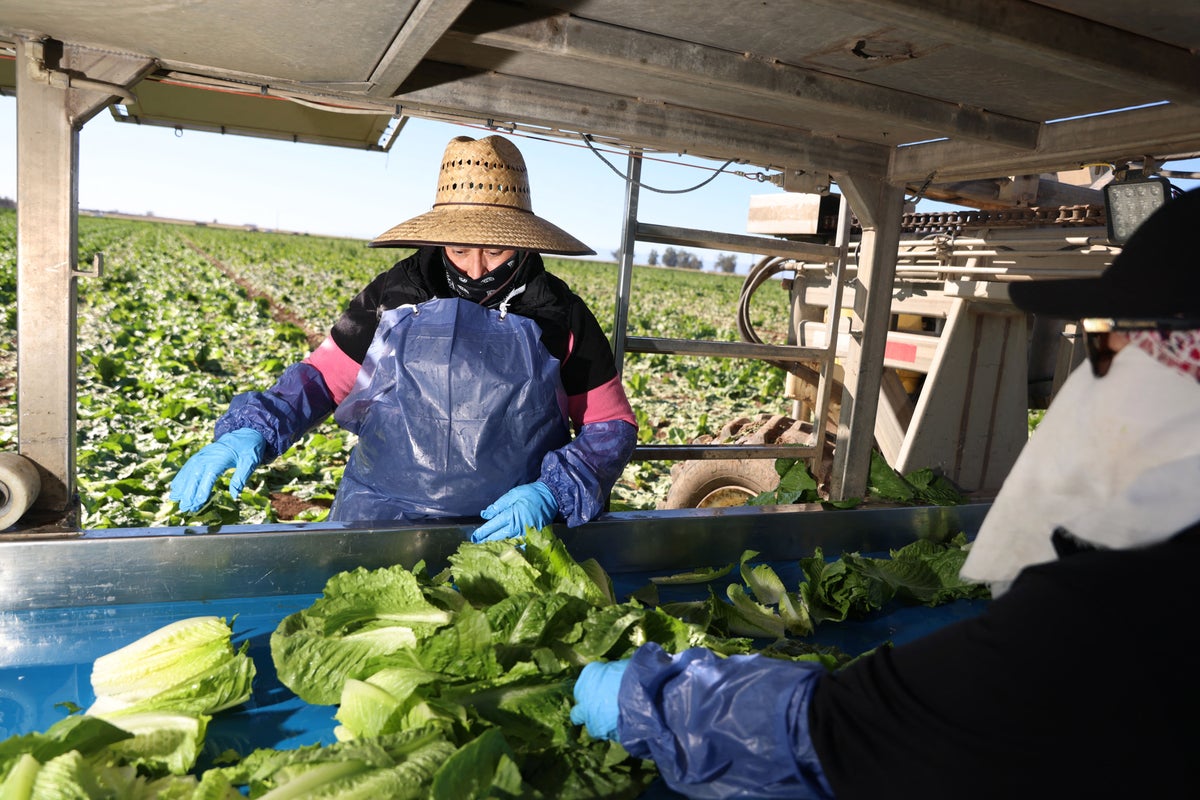
A substantial portion of North America's leafy greens, basil, cilantro, and berries pass through a handful of mega-processors before reaching grocery aisles and quick-service restaurant chains. When a single washing vat at a central packaging facility processes thousands of pounds of iceberg lettuce per hour, it acts as a distribution engine for pathogens.
FDA investigations into 2026 clusters identified shredded iceberg lettuce processed by regional suppliers as a primary suspect in hundreds of cases linked to quick-service chains across five states. However, regional lettuce distribution only explains a fraction of the nationwide wave. The broader surge spans dozens of independent supply lines operating across Mexico, Central America, and domestic fields in the American Midwest.
Why Traceback Investigations Collapse
Tracking down the origin of a Cyclospora outbreak is notoriously difficult. Epidemiologists face three fundamental obstacles every time an outbreak occurs:
- Extended Incubation Periods: Symptoms take between 2 and 14 days to appear after ingestion. By the time a patient experiences severe gastrointestinal distress, visits a clinic, and receives a positive lab test, two to three weeks have elapsed. The contaminated food item has already been eaten or thrown away.
- Complex Diets and Pre-cut Blends: Consumers rarely remember every ingredient in a bagged salad mix or a restaurant taco consumed 18 days prior. Tracing a single ingredient across complex commercial supply chains requires precise lot numbers that consumers never possess.
- Genomic Complexities: Unlike bacteria, which can be quickly fingerprinted using Whole Genome Sequencing (WGS), Cyclospora has a complex eukaryotic genome. Linking isolated patient samples to a single farm source requires advanced, specialized genotyping that is not deployed universally across state laboratories.
Public Health Surveillance Under Siege
While the pathogen spreads across state lines, the infrastructure designed to track it is suffering from systemic delays and capacity reductions.
The Centers for Disease Control and Prevention maintains national surveillance, but federal figures lag weeks behind real-time reporting from local health departments. While state health databases in Michigan recorded thousands of cases, federal summaries initially logged only a fraction of those totals due to verification backlogs.
[ Patient Onset ] ──> [ Clinic Visit ] ──> [ Lab Confirmation ] ──> [ State Reporting ] ──> [ CDC Tally ]
     (Day 0)              (Day 10)             (Day 14)                 (Day 21)             (Day 35+)
Staffing reductions and funding reallocations at federal public health agencies over recent years have stripped away critical personnel in parasitic disease branches. Experienced outbreak investigators have been replaced by overstretched generalists, slowing down the epidemiological interviews required to identify contaminated produce lots before they clear store shelves.
When federal oversight loses its speed, the burden falls entirely on local county health departments that lack the authority to inspect international farms or cross-state distribution centers.
Environmental Escalation and Agricultural Realities
Climate patterns are aggravating the crisis. Cyclospora thrives in warm, humid conditions. Higher summer temperatures across key growing regions accelerate the sporulation process of parasites present in soil and agricultural runoff.
Extreme weather events cause agricultural wastewater to overflow into irrigation canals. When farms use untreated surface water to irrigate crops or mix agricultural sprays, they risk applying microscopic parasite egg sacs directly onto the leaves of crops that will be consumed raw.
Washing greens at home offers little protection. The parasite clings tightly to the rough surfaces of leafy greens, berries, and herbs. Standard tap water rinses remove loose dirt, but they do not dislodge or kill established oocysts.
What Consumer Protection Requires
Relying on consumer washing or post-outbreak recalls cannot contain a pathogen with a two-week incubation period. Stopping future outbreaks requires structural shifts at the farm and distribution levels:
- Mandatory Water Filtration: Farms utilizing surface water for irrigation of ready-to-eat produce must install industrial-grade water filtration systems, such as microfiltration or ultraviolet irradiation, capable of capturing parasitic oocysts.
- Rapid Diagnostic Integration: Primary care clinics must adopt multi-pathogen PCR panel tests that automatically screen for Cyclospora alongside standard bacterial causes of gastroenteritis, cutting diagnostic delays from weeks to hours.
- Supply Chain Transparency: Grocery chains and food service providers must mandate digital, real-time lot tracking from field to fork, allowing health officials to trace contaminated shipments within minutes rather than weeks.
The explosion of Cyclospora cases in 2026 is a warning sign. The combination of centralized food processing, climate-driven pathogen persistence, and underfunded public health surveillance has created an environment where a single contaminated harvest can sicken thousands across dozens of states before anyone notices. Until agricultural water safety and diagnostic speeds are modernized to match the realities of national distribution networks, summer produce will remain a gamble for American consumers.


