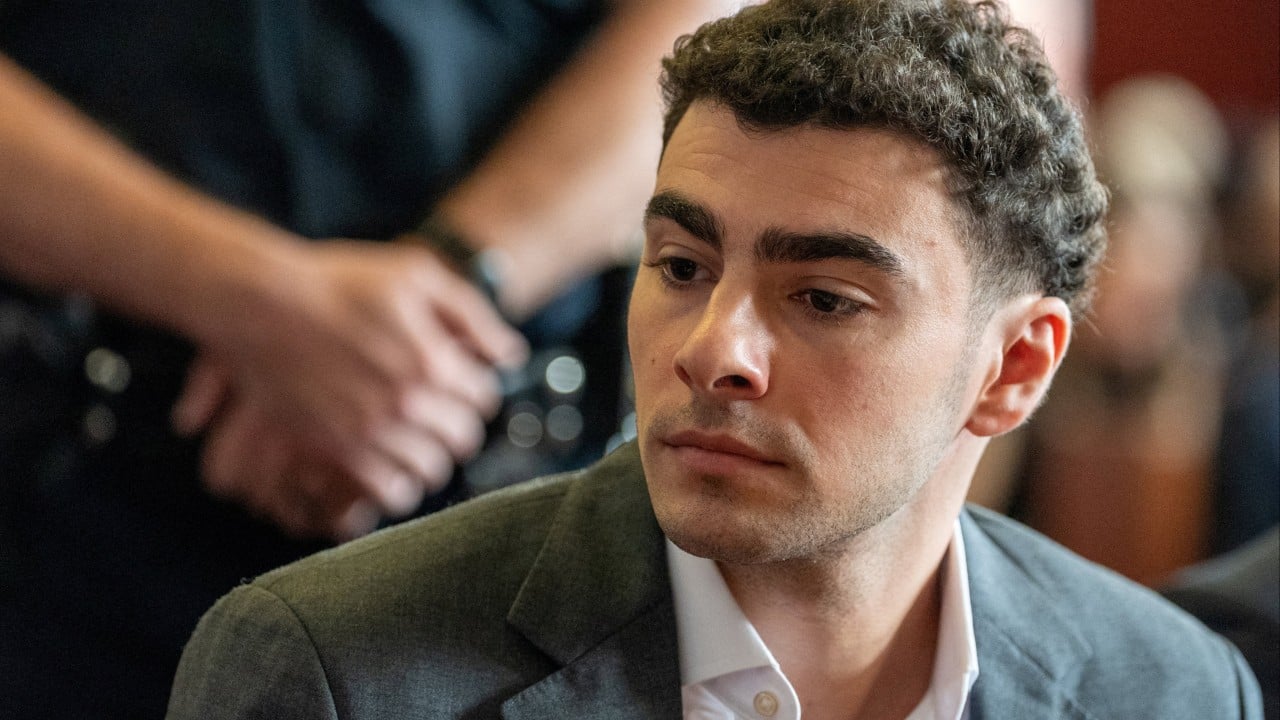
I shot Mr. Thompson in Manhattan, and he died.
Those eight words ended months of legal posturing in a Manhattan federal courtroom. Luigi Mangione stood in beige prison scrubs on a Friday morning, his ankles shackled, and admitted to a crime that had riveted the nation since December 2024. He didn't offer a dramatic speech about redemption. He didn't look for applause. He simply confessed to gunning down UnitedHealthcare CEO Brian Thompson outside a midtown hotel. If you enjoyed this post, you might want to read: this related article.
The plea deal surprised few legal observers who had watched the walls close in around the 28-year-old Ivy League graduate. But the timing and the fallout threw a massive wrench into parallel proceedings that will dictate the rest of his life behind bars.
Why the Federal Plea Changed Everything Instantly
Federal prosecutors spent months building a case centered on stalking charges resulting in death. While the Department of Justice originally floated the possibility of the death penalty under former Attorney General Pam Bondi, those capital charges were eventually stripped away. That left federal stalking counts carrying a maximum sentence of life imprisonment without parole. For another look on this event, check out the latest update from BBC News.
Instead of rolling the dice on a full federal trial that was scheduled to start soon, Mangione stood before US District Judge Margaret Garnett and pleaded open to the indictment. There was no secret plea bargain worked out behind closed doors. He threw himself entirely on the mercy of the court, leaving prosecutors free to demand the maximum penalty.
The courtroom was packed with reporters and members of Brian Thompson's family. As Mangione described how he tracked the executive down—even using a ruse to pose as an investor to gather conference schedules—family members sat in the front row visibly shaken. Paulette Thompson, the victim's widow, clutched a relative's arm as the man who shattered her life detailed the cold, calculated ambush on a busy New York sidewalk.
The Double Jeopardy Gamble
The immediate consequence of the federal guilty plea wasn't just about federal prison time. It triggered an explosive legal battle over the upcoming New York state murder trial, which was slated to begin next month.
Within minutes of the federal hearing ending, defense attorney Karen Friedman Agnifilo filed a formal motion to dismiss the state-level murder charges. The defense argument rests on constitutional double jeopardy protections. They claim the federal stalking conviction and the state murder charges cover the exact same conduct: tracking Thompson, shooting him on December 4, 2024, and fleeing the scene.
"It's the same trial twice. One plus one is two," Mangione had previously complained during an earlier court outburst.
👉 See also: The Geopolitical Obsession Trump Will Not Let Go
The Manhattan District Attorney's office immediately pushed back. Prosecutors stated they were fully prepared to fight the motion in court, arguing that federal stalking and state second-degree murder involve distinct legal elements that allow both jurisdictions to seek accountability. If the state judge agrees with the defense, the September murder trial could vanish entirely. If the state court rejects the double jeopardy claim, Mangione could still find himself facing a second full trial even after admitting guilt under oath in federal court.
How the Manhunt and Evidence Led to This Point
The road to Friday's confession was paved with crushing evidentiary setbacks for the defense. Investigators had tracked Mangione across state lines following the December 2024 shooting, culminating in a dramatic arrest five days later at a McDonald's in Altoona, Pennsylvania.
Inside his backpack, police found a 3D-printed pistol matching the murder weapon, a notebook filled with grievances against the insurance industry, and false identification documents. Throughout 2025 and 2026, judges steadily chipped away at defense attempts to suppress that core evidence. Once state Judge Gregory Carro ruled that the gun and the damaging notebook could be presented to a jury, the writing was essentially on the wall.
Federal prosecutors announced they will push for life imprisonment when sentencing takes place on December 18. Meanwhile, the legal machinery in New York scrambles to determine whether a separate state trial will move forward or dissolve under the weight of a federal conviction.
Mangione's confession brings closure to one chapter of a high-profile tragedy, but the legal fallout will reverberate through the courts for months.