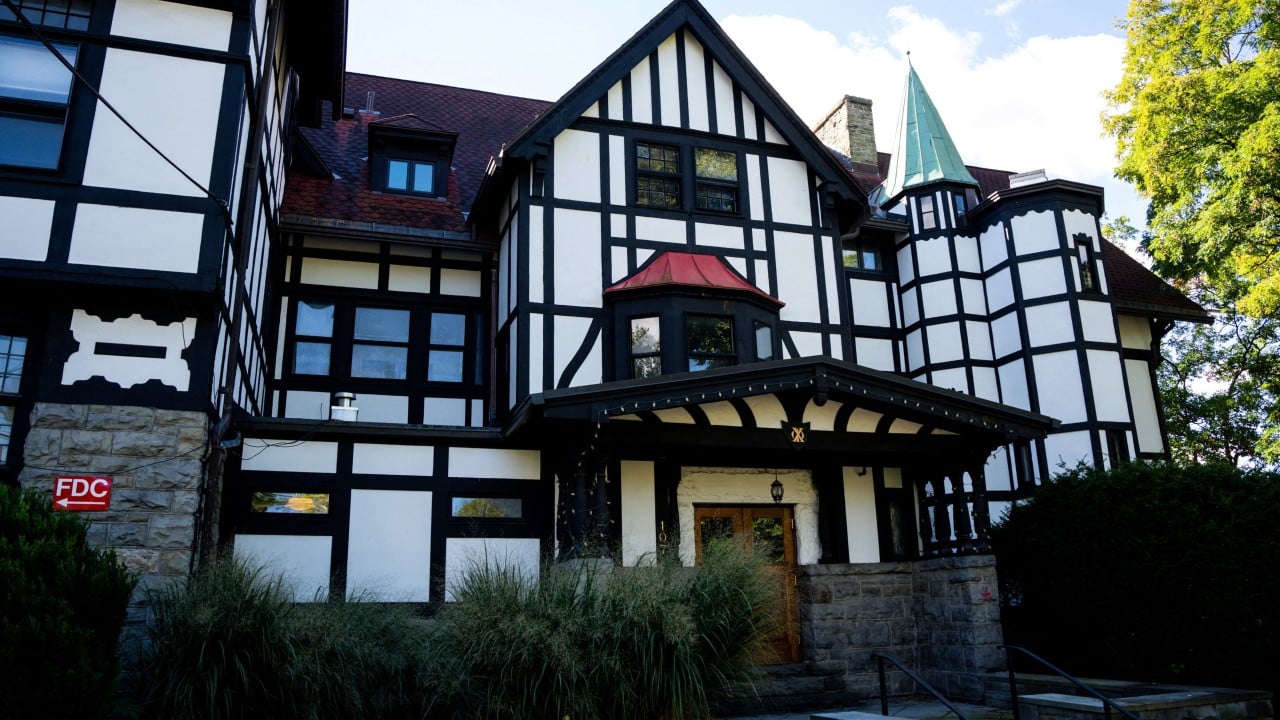
Online vigilantes chasing allegations tied to a Cornell University fraternity case have misidentified innocent Asian men across the internet, flooding their inboxes and workplaces with threats based on little more than shared names and rushed assumptions. When viral outrage outpaces verified facts, innocent bystanders pay the immediate price while real accountability stalls in legal and institutional gridlock.
After decades covering high-profile campus crises, court filings, and internet mob dynamics, one pattern repeats with exhausting regularity. A shocking allegation breaks. Outrage spreads faster than evidence. Amateur sleuths begin matching names on LinkedIn, Instagram, and TikTok, treating digital proximity or common names as proof of guilt.
How Name Matching Turns Into Digital Vigilantism
Digital mob justice rarely starts with a grand conspiracy. It usually starts with a screenshot, a partial name, or a loose connection to a fraternity roster or group chat. Once a name circulates online in connection with a high-profile case, strangers search public profiles and assume anyone sharing that name—or looking vaguely similar—belongs in the crosshairs.
For men of Asian descent sharing a name linked to the Cornell case, that guesswork turned into real-world harassment. Messages arrived telling targets their futures were ruined, warning them they could not hide, and threatening prison violence. One man even added a disclaimer to his TikTok bio stating he was not part of the accused group after his phone number and his parents' home address were posted online, prompting him to retain legal counsel.
The mechanics of online misidentification are simple and brutal. Search engines flatten context. A LinkedIn profile looks authoritative even when the person lives hundreds of miles away, graduated years earlier, or has zero connection to the events in question.
- Common names multiply false positives: Sharing a common name is not evidence, yet online mobs routinely treat name matches as confirmed identities.
- Algorithmic amplification rewards certainty: Posts claiming to have "found" a suspect gain traction far faster than cautious corrections or retractions.
- Asymmetric consequences: A user who posts a wrong address or a threatening direct message faces virtually no immediate penalty, while the misidentified target deals with fear, doxxing, and professional fallout.
Why Institutional Delays Feed the Mob
Vigilantism thrives in information vacuums. When official investigations move slowly, appear opaque, or draw sharp public criticism, people outside the process try to fill the silence themselves.
In the Cornell case involving allegations at the Chi Phi fraternity house, frustration over how authorities and the university handled the matter spilled into protests, civil litigation, leadership pressure, and state intervention. Reporting on the dispute has highlighted clashes between the accuser's legal team and local prosecutors over how the initial inquiry progressed, alongside the reopening of criminal scrutiny, the appointment of a special prosecutor in New York Attorney General Letitia James, and an outside review led by former Deputy Attorney General Sally Yates. Meanwhile, the accuser's side has also reported severe harassment, including a swatting incident at her home.
When official processes look slow or fractured, online crowds step into the gap—and almost always hit the wrong targets first.
That vacuum affects more than just strangers with shared names. Former fraternity members who were not part of the central chat or alleged conduct have also pressed the university for clarity and formal letters confirming they were not members of the specific group chat at issue, trying to separate themselves from sweeping assumptions.
| Group Affected | Primary Trigger of Harm | Typical Consequence |
|---|---|---|
| Misidentified Asian men | Shared name or unverified online sleuthing | Doxxing, threats, harassment, legal action to push back |
| Peripheral former members | Guilt by association with fraternity or group labels | Reputational stain, requests for formal written clearance |
| Parties inside the legal dispute | Intense media spotlight and polarizing public anger | Security risks, intense scrutiny, prolonged litigation |
The Overlooked Role of Racialized Assumptions
Coverage of online misidentification often treats error as purely technical—a bad search, a sloppy repost, a rushed conclusion. That explanation misses part of the picture.
When a scandal involves allegations tied to a specific group and a named individual of a particular background, racialized assumptions can quietly shape who gets targeted. Asian men sharing a name with one of the accused did not just get swept up by accident; their names and profiles became shorthand in the minds of angry commenters hunting for someone—anyone—to punish.
At the same time, serious reporting has to hold two truths at once without flattening either. Misidentifying innocent men and subjecting them to threats is flatly wrong. Pretending that misidentification excuses institutional failures or shields actual wrongdoing is equally dishonest. A clear-eyed analysis does not have to choose between condemning mob harassment and examining how institutions handle grave allegations.
What Real Accountability Requires Next
Stopping digital collateral damage requires discipline from platforms, newsrooms, and everyday readers, though none of those fixes is a cure-all. Social platforms remain slow to curb coordinated harassment and doxxing once a viral thread catches fire. News outlets can do better by stating clearly who has actually been charged or named in court filings and avoiding loose phrasing that invites readers to play detective.
Individual readers carry a responsibility too. Before amplifying a "suspect" post or sending a message to someone whose name popped up in a comment thread, pause and verify whether there is actual official confirmation rather than internet guesswork. Justice demands precision, and a mob that cannot get a name right is no substitute for the rule of law.