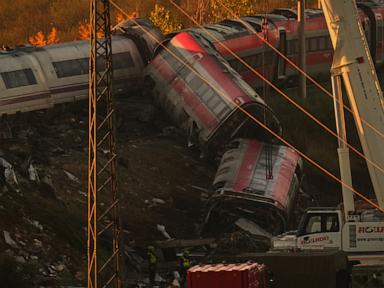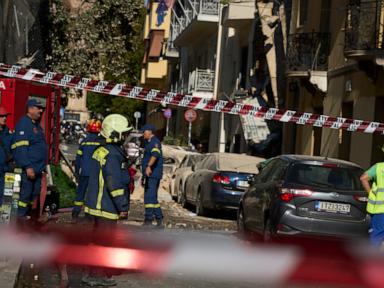
Three suspects have appeared in a Greek court facing severe criminal charges after allegedly stealing copper piping from a building in Athens, an act prosecutors say ruptured a supply line and triggered a devastating gas explosion. While initial news reports frame the incident as an isolated crime gone horribly wrong, the blast exposes a much deeper, systemic vulnerability across European cities. Rising global commodity prices have turned everyday urban infrastructure—from residential gas lines to railway signaling cables—into prime targets for organized scrap metal thieves, leaving dense neighborhoods sitting on ticking time bombs.
The mechanics of how a routine metal theft escalates into a catastrophic structural blast are brutally simple. Thieves target copper because it is malleable, easy to strip with basic hand tools, and commands high cash payouts at unregulated scrap yards. When perpetrators cut into active or improperly decommissioned low-pressure gas distribution networks, natural gas or liquefied petroleum gas (LPG) begins pooling inside enclosed spaces like basements, utility shafts, and ground-floor storefronts. Unlike open-air leaks that dissipate harmlessly into the atmosphere, trapped gas quickly reaches its explosive limit—the precise concentration ratio of fuel to air where a single spark from a refrigerator compressor, a light switch, or a passing car's ignition triggers violent combustion.
The Anatomy of a Preventable Urban Disaster
To understand why these explosions happen, you have to look at how older European buildings are plumbed. Across Athens, as in London, Paris, and Rome, millions of residential and commercial structures rely on legacy piping systems installed decades ago. Copper was long favored by plumbers and utility contractors for its corrosion resistance and ease of soldering. Those exact physical properties make it a liability today. A battery-powered reciprocating saw can slice through a half-inch copper gas line in less than four seconds.
In a typical scenario, thieves enter an unoccupied storefront, an abandoned apartment, or an unsecured basement utility room under the cover of darkness. They assume the building is completely disconnected from the municipal grid because the lights are off and the water is shut down. That assumption kills people.
Utility companies frequently shut off electricity and water at the meter while leaving gas risers pressurized up to the main interior valve—or worse, relying on aging shutoff valves that fail to seal completely when corroded. If a thief cuts the pipe upstream of a functioning shutoff, or shears a valve clean off the wall, pressurized gas floods the building cavity immediately. Even though natural gas is treated with mercaptan—a pungent sulfur-based odorant designed to smell like rotten eggs—thieves focused on grabbing metal and escaping rarely stick around to report a leak. They vanish into the night, leaving an invisible, odorized fuel-air bomb waiting for an ignition source.
Why Prosecuting Street-Level Thieves Misses the Real Criminal Engine
The three individuals hauled before the Athens magistrates represent the lowest rung of an international illicit supply chain. When courts focus exclusively on the street-level perpetrators—often desperate addicts, marginalized laborers, or low-level gang recruits—they treat the symptom while leaving the disease untouched.
Nobody steals fifty pounds of copper pipe to keep it in their living room. Every single foot of stolen tubing ends up in the furnace of a licensed or semi-licensed metal recycler.
In the scrap metal industry, origin obfuscation is effortless. Once a thief strips the insulation off a wire or smashes a copper pipe flat with a hammer to disguise its curved plumbing joints, the metal becomes virtually indistinguishable from legitimate industrial offcuts. Unscrupulous scrap dealers exploit this ambiguity daily. They pay cash under the table, falsify intake ledgers, and bundle stolen municipal infrastructure alongside legal demolition debris before shipping it off to smelters in bulk containers.
Law enforcement agencies across the Mediterranean have repeatedly documented how surges in global copper futures correlate almost to the week with spikes in local infrastructure sabotage. When industrial demand from green energy projects, electric vehicle manufacturing, and data center construction pushes refined copper prices upward, the financial incentive to strip urban pipes skyrockets. A single night's haul from a commercial building basement can yield several hundred euros in untraceable cash—more than a week's wages in many sectors of the informal economy.
The Regulatory Blind Spots Enabling Scrap Laundering
Most European jurisdictions, including Greece, have passed laws requiring scrap yards to record seller identification and ban cash transactions above strict thresholds. On paper, the system looks airtight. On the ground, enforcement is nearly nonexistent.
- Fragmented oversight: Municipal inspectors often lack the jurisdiction or manpower to audit suburban scrap yards, while national police prioritize violent crime over administrative compliance checks at recycling depots.
- Cross-border leakage: Stolen metal is frequently loaded onto trucks and driven across neighboring borders within hours of a theft, bypassing domestic tracking databases entirely.
- Lack of forensic marking: Unlike high-value catalytic converters or luxury vehicle parts, standard copper plumbing carries no serial numbers or chemical microdots that link a melted ingot back to a specific street address.
Without aggressive, unannounced forensic audits of metal buyers and immediate license revocations for dealers caught accepting unverified plumbing materials, arresting three suspects in Athens will not stop the next crew from taking a hacksaw to a basement pipe tonight.
The Hidden Engineering Failures Inside Aging City Grids
Blaming thieves alone also lets municipal authorities and utility operators off the hook for decades of deferred maintenance and outdated safety standards. Modern gas engineering has largely solved the problem of catastrophic pipe ruptures, yet millions of urban residents remain exposed to 20th-century vulnerabilities.
Consider excess flow valves (EFVs). An EFV is a simple mechanical safety device installed directly inside a gas service line. Under normal operating conditions, gas flows smoothly around an internal spring-loaded plunger. However, if a pipe is suddenly severed—whether by a backhoe digging up the street or a thief sawing through a basement riser—the abrupt surge in gas velocity slams the plunger shut, cutting off the flow instantly.
In many newer developments across North America and Northern Europe, EFVs are mandatory on all new and replaced residential service lines. Yet across vast swaths of Southern Europe, millions of legacy connections lack them entirely. Retrofitting existing urban buildings with excess flow valves requires excavating sidewalks, shutting down block-level service, and navigating complex landlord-tenant liabilities—expenses that cash-strapped utilities and municipal governments routinely delay.
Furthermore, the physical placement of gas infrastructure in older Mediterranean cities invites tampering. To save on interior renovation costs during mid-century modernization campaigns, utility contractors frequently routed gas risers along exterior building facades, inside unlocked courtyard alcoves, or through ground-floor communal hallways accessible directly from the street. Leaving pressurized explosive fuel lines exposed within arm's reach of public footpaths is an architectural invitation to disaster.
The Collateral Damage Nobody Calculates
When a gas explosion tears through an urban block, the immediate headlines count the dead, the injured, and the shattered shopfronts. The secondary wreckage unfolds quietly over years, bankrupting small businesses and permanently displacing working-class families.
Insurance policies routinely contain strict exclusions for damage caused by criminal acts, vacant property neglect, or unauthorized structural tampering. When an explosion originates in a neighboring abandoned building stripped by copper thieves, adjacent shopkeepers and apartment owners frequently find themselves trapped in protracted legal battles between utility providers, municipal authorities, and private insurers—each pointing fingers at the others to avoid paying millions in structural reconstruction claims.
Meanwhile, public confidence in urban gas networks erodes. Every major blast triggers panic calls to emergency dispatchers, forcing utility crews to spend thousands of man-hours responding to false alarms while genuine corrosion leaks go undetected elsewhere in the grid.
How Cities Actually Stop Infrastructure Sabotage
Preventing the next Athens-style catastrophe requires dismantling both the financial reward for thieves and the physical vulnerability of the pipes themselves. Half-measures like stiffer prison sentences for low-level offenders have consistently failed across every major European jurisdiction because desperate actors rarely calculate long-term legal consequences before swinging a crowbar.
Real deterrence demands structural intervention at three specific chokepoints:
- Aggressive Material Substitution: Utilities and municipal building codes must mandate the replacement of exposed copper gas piping with cross-linked polyethylene (PEX) or corrugated stainless steel tubing (CSST) during any commercial renovation or meter upgrade. PEX has zero scrap value, rendering a building completely worthless to metal thieves overnight.
- Mandatory Excess Flow Valves on Urban Risers: Regulators must stop treating EFVs as optional upgrades for new construction and fund targeted retrofit programs for high-density urban neighborhoods, prioritizing ground-floor commercial zones and partially vacant buildings.
- Strict Liability for Scrap Dealers: Lawmakers must shift the burden of proof onto metal recyclers. Any scrap yard found in possession of residential plumbing joints, utility-grade copper tubing, or stripped grounding wire without verifiable contractor documentation should face immediate asset forfeiture and permanent closure—not a minor administrative fine treated as a routine cost of doing business.
Until cities eliminate the cash market for stolen infrastructure and replace exposed copper lines with worthless plastic alternatives, every unsecured basement in Europe remains one saw blade away from leveling the block.