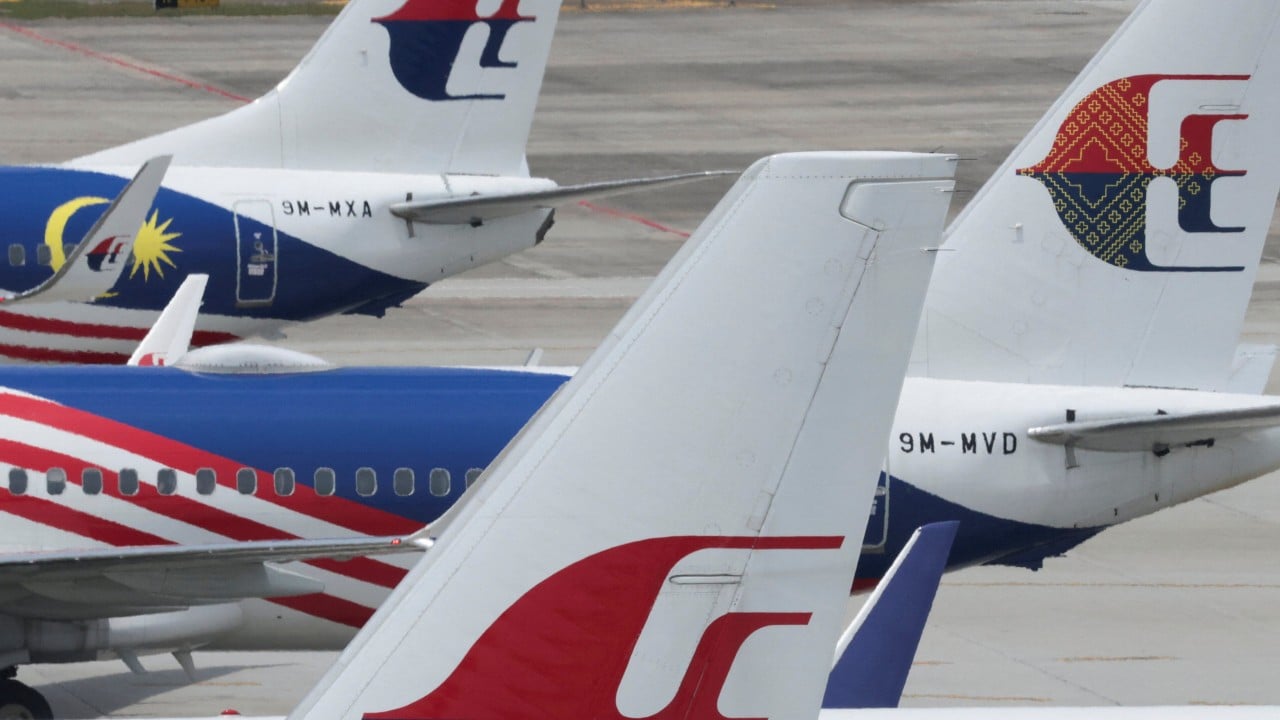
Commercial aviation relies on a foundational, terrifying assumption. We trust that the person commanding a multimillion-dollar aircraft filled with hundreds of lives is entirely sober, uncompromised, and vetted. That illusion shattered violently at Soekarno-Hatta International Airport in Jakarta when a 39-year-old Malaysia Airlines pilot was arrested after landing a scheduled flight from Kuala Lumpur with 26 kilograms of MDMA and methamphetamine stashed in his luggage.
Subsequent toxicology screenings revealed the pilot had operated an international commercial airliner while actively under the influence of cocaine and methamphetamine. While Malaysia Aviation Group swiftly responded by ordering mandatory, stricter drug testing across its fleet, the incident exposes deep structural vulnerabilities in global aviation security that routine drug screenings alone cannot fix.
The Illusion of Crew Lane Immunity
For decades, international airports relied on expedited crew clearance lanes to keep global logistics moving. Pilots and flight attendants slide through customs and security checkpoints with minimal physical bag searches, banked on the institutional prestige of their uniforms and airline IDs.
Syndicates know this workflow intimately. Investigators revealed that the detained pilot admitted this was not his first attempt, pointing to a calculated exploitation of institutional trust. Crew lanes prioritize speed over scrutiny. When airport security forces treat flight deck crews as inherently low-risk, they create a systemic blind spot. Smugglers do not need to compromise cargo holds or subvert container seals if they can recruit a single individual wearing four stripes who walks past customs officers unchallenged.
Beyond the Urine Test
In the wake of the Jakarta arrest, airline executives rushed to announce expanded drug testing protocols. Random urine screens and mandatory check-ins offer a clean public relations narrative, but they represent a deeply flawed defense mechanism against modern chemical dependencies.
Standard urine toxicology screens check for recent substance use within a narrow window, typically hours to a few days. They fail to capture psychological dependency, functional addiction, or the use of designer substances that clear metabolic pathways quickly. More importantly, testing after a flight is a forensic exercise, not a preventative measure. Catching a pilot with metabolites in their system after they have already guided a commercial aircraft across international airspace does nothing to protect the passengers who sat in cabin seats during the descent.
Aviation medicine requires continuous behavioral monitoring and peer-reporting frameworks that actually work. Pilots operate under intense psychological strain, irregular circadian rhythms, and heavy operational pressure. When airline cultures punish psychological vulnerability or mental health struggles, individuals facing burnout or financial distress turn to external coping mechanisms. Security systems that rely solely on biological detection ignore the human pressures driving crew members toward criminal syndicates in the first place.
The International Syndicate Factor
Transnational drug trafficking organizations operate with corporate efficiency. The promise of a modest financial payout—reported as RM50,000 in this case—is often dangled before aviation professionals facing personal debt or economic instability.
Commercial pilots possess what criminal organizations prize above all else: unmonitored mobility across sovereign borders. A pilot flying short-to-medium haul routes across Southeast Asia crosses customs borders multiple times a week. To a cartel, an airline pilot is not an employee of a flag carrier; they are a mobile diplomatic pouch.
When border control agencies in different nations fail to share real-time intelligence on crew profiling and luggage weights, transnational networks exploit the gaps. Malaysia Airlines and regional carriers are now forced to reckon with the reality that their cockpit crews are primary targets for international recruitment.
Re-Engineering Cockpit Oversight
Fixing this vulnerability demands a complete overhaul of how airlines manage insider threats. Random drug screenings are merely cosmetic theater if background checks and lifestyle audits remain superficial.
Airlines must implement continuous financial monitoring for flight crew members, similar to protocols used in high-security defense sectors. Unexplained wealth or sudden debt spikes should trigger internal reviews long before local law enforcement seizes contraband at an arrival gate. Furthermore, destination airports must dismantle the complacent assumption that uniform credentials exempt flight crews from random, rigorous physical inspections.
The safety record of commercial aviation is built on redundancy. Every critical flight system has a backup. Yet the human element—the final authority inside the locked flight deck—remains vulnerable to single points of failure. Until regulatory bodies treat insider drug smuggling as an existential threat to aviation security rather than an isolated criminal aberration, the safety of millions of passengers remains tethered to an unverified honor system.

:max_bytes(150000):strip_icc()/lake-mead-173940030-5c25228846e0fb00014e8584.jpg)