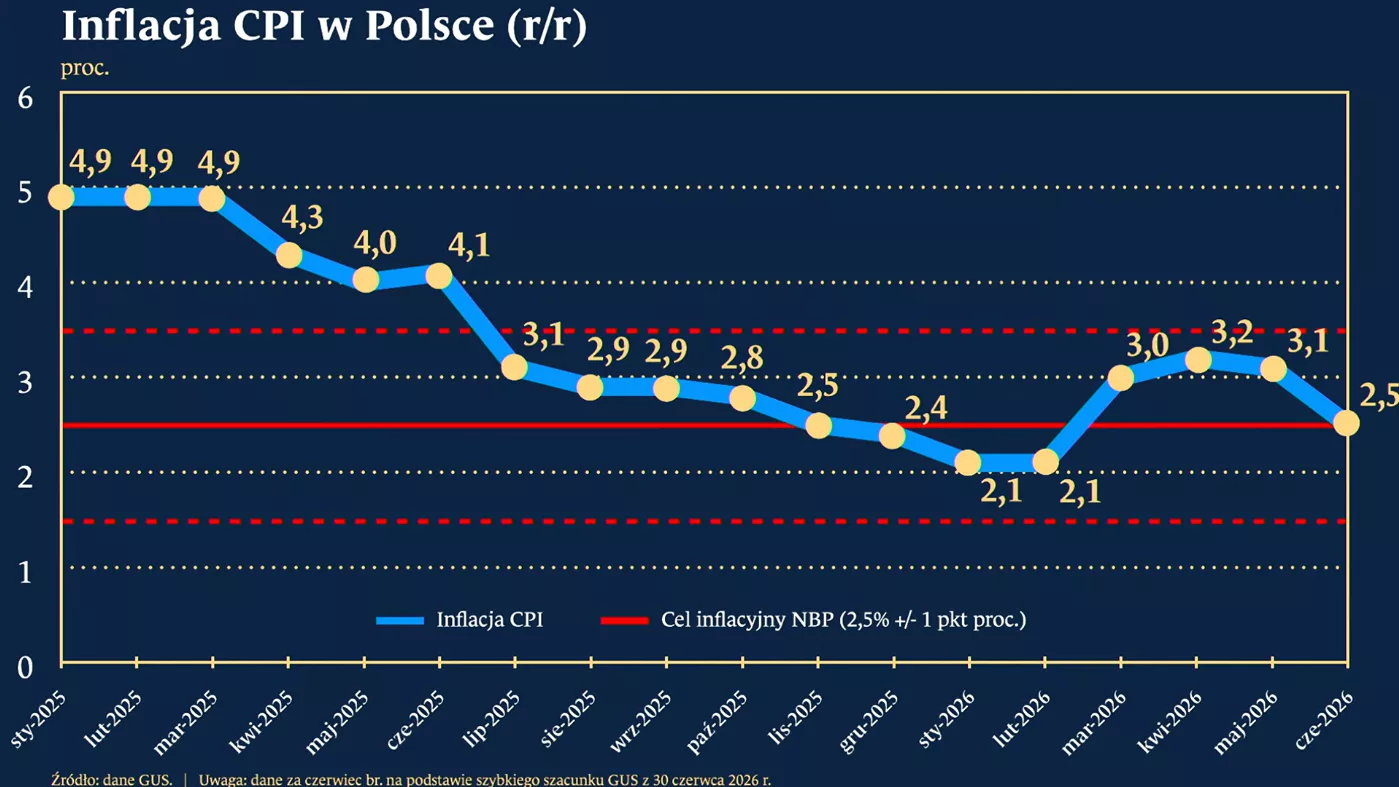
Price increases are accelerating faster than official reports admit because standard economic measurements consistently fail to capture the daily financial strain households experience. When the latest inflation data drops, markets react with predictable anxiety, politicians trade blame, and central bankers parse every decimal point for clues about future interest rate hikes. Yet a wide gap persists between abstract government indices and the hard reality of paying for groceries, insurance, and rent.
For decades, the machinery of economic reporting has relied on fixed baskets of goods and complex hedonic adjustments that attempt to account for product quality changes over time. This methodology creates a sanitized version of reality. When a box of cereal shrinks by two ounces while the price remains identical, official statisticians often log it as a neutral event or a minor adjustment, while shoppers experience it as a direct hit to their purchasing power. This structural blindness turns economic reports into lagging indicators that underestimate the true velocity of currency devaluation.
Understanding why prices keep climbing requires looking past headline consumer price index numbers and examining the compounding pressures working through global supply chains, corporate pricing strategies, and labor markets. The standard narrative blames excessive consumer demand driven by pandemic-era stimulus, but that explanation ignores how structural shifts in energy production, corporate consolidation, and geopolitical fragmentation permanently altered baseline operational costs.
The Illusion of Retiring Inflation
Economists love to talk about inflation cooling down as year-over-year percentage rates moderate from their chaotic peaks. This statistical descent fools many into believing that prices are somehow returning to normal. They are not. A lower inflation rate simply means prices are climbing at a slower velocity, not that they are dropping back to historical averages. A cumulative price surge of twenty percent over a few years leaves a permanent mark on household budgets. Wages rarely match that cumulative leap, creating a permanent deficit in real income that no single month of favorable data can erase.
Consider a hypothetical family earning a median income in a mid-sized metropolitan area. Five years ago, their monthly expenditures for housing, energy, food, and transportation consumed roughly seventy percent of their take-home pay. Today, even with modest annual raises, those exact same categories absorb nearly ninety percent of their revenue. The gap between survival and savings has vanished. When analysts point to moderating monthly figures as proof of economic recovery, they ignore the baseline shift that has already broken traditional household financial models.
Corporate consolidation plays a massive role in maintaining these elevated price floors. In sector after sector, a handful of dominant conglomerates control the majority of market share. During the initial supply chain disruptions, these firms raised prices aggressively to protect profit margins against rising input costs. Once supply lines stabilized and input costs fell back down, those prices did not drop. Instead, management teams discovered that consumers would grudgingly pay higher rates, and shareholders rewarded the resulting margin expansion. This sticky pricing dynamic means monetary policy tools like higher interest rates face a stubborn adversary. Raising borrowing costs slows demand, but it does little to dismantle corporate pricing power in consolidated industries.
The Hidden Tax of Insurance and Shelter
Shelter and insurance costs form the stubborn core of modern price acceleration, acting as an anchor dragging down consumer financial health. Housing expenses behave differently from retail goods. Lease agreements lock in rates for a year or more, meaning real estate inflation takes a long time to fully register in official government statistics. Even as new construction permits fluctuate and regional housing markets show signs of softening, millions of renters and homeowners rolling over old mortgages or policies face staggering payment shocks.
Property and casualty insurance premiums have surged by double digits across vast stretches of the country, driven by climate risks, rising construction materials costs, and inflated auto repair bills. These are non-discretionary expenses. A household cannot simply decide to opt out of car insurance or home ownership coverage because rates went up. When compulsory overhead climbs by thirty or forty percent in a short window, discretionary spending collapses, sending false signals to retailers who wonder why shoppers are suddenly tightening their belts.
Energy markets remain another volatile foundation beneath the entire pricing structure. Fossil fuel extraction requires heavy capital investment, and major producers have shifted their priorities from aggressive volume expansion to shareholder returns and capital discipline. This structural change means energy shocks hit the broader economy faster and harder than they did in previous decades. Every time crude oil ticks upward, the cost ripples through logistics, manufacturing, agriculture, and retail distribution, ensuring that price increases touch every single item on store shelves.
The Limits of Central Bank Tools
Central banks operate with blunt instruments designed to manipulate aggregate demand, yet today's inflationary pressures stem largely from supply-side bottlenecks, geopolitical realignments, and structural labor shifts. Raising interest rates makes borrowing expensive for small businesses and prospective homebuyers, cooling the housing market and forcing some companies to slow hiring. However, high rates do nothing to reopen closed shipping lanes, build new domestic semiconductor foundries, or compel consolidated conglomerates to slash their profit margins.
When monetary authorities maintain high interest rates to combat persistent price acceleration, they risk inducing a severe economic slowdown without fully addressing the underlying structural drivers of cost. Meanwhile, governments continue running substantial fiscal deficits, pumping liquidity into infrastructure projects and defense manufacturing. This creates a fundamental policy contradiction where fiscal policy stimulates demand while monetary policy tries to crush it, leaving consumers caught in the crossfire of macroeconomic warfare.
The human element of this dynamic rarely makes it into spreadsheet models. Small business owners face impossible choices as commercial rents rise and suppliers demand higher cash upfront. Employees watch their purchasing power erode week after week, forcing difficult calculations about whether to change jobs, take on gig work, or cut back on essentials. This continuous low-grade financial anxiety changes consumer behavior in subtle ways, fostering a pervasive cynicism toward official economic optimism that fails to match lived experience.
Facing the Structural Reality
Pretending that inflation is a temporary anomaly or a solved problem ignores the fundamental rewiring of the global economy. Trade fragmentation, demographic shifts in the workforce, and the immense capital required to transition energy grids ensure that cheap goods are not returning anytime soon.
Recognizing this reality means abandoning the hope for a return to the low-inflation status quo of the previous decade. Households, businesses, and policymakers must operate under the assumption that volatility and elevated baseline costs are the new normal. Until economic models account for the real friction of daily survival rather than relying on sanitized statistical averages, the gap between official data and human experience will only widen further.