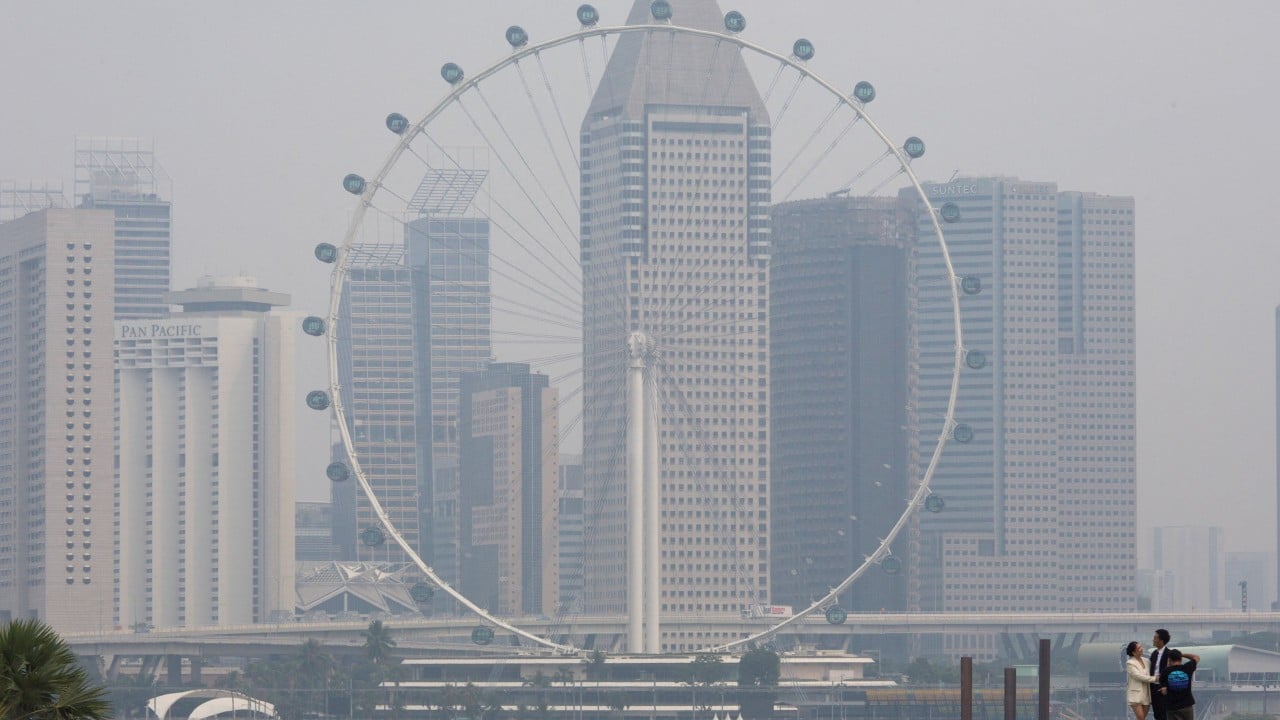
Smoke chokes cities, children struggle to breathe, and thousands of hectares burn down to ash year after year. It is a brutal cycle that repeats across Indonesia. Now, President Prabowo Subianto wants to change the legal vocabulary entirely. He is pushing to label deliberate forest and land fires as ecological terrorism.
When leaders start throwing around terms like terrorism for environmental crimes, it signals a massive shift in tone. For decades, seasonal haze from burning peatlands and forests was treated as an administrative headache or a minor regulatory infraction. Companies paid fines, local actors shrugged off blame, and the smoke returned. Prabowo's administration argues that treating a crime that poisons millions as a simple misdemeanor is no longer acceptable.
Moving Beyond Slaps on the Wrist
The core frustration driving this policy pivot is corporate impunity. Too many plantation and logging companies treat fire as a cheap, dirty shortcut to clear land. Even when caught, the financial penalties often amount to a mere cost of doing business.
By framing these blazes as environmental terrorism, Jakarta is laying the groundwork for severe legal consequences. Lawmakers are looking at revising existing statutes or tightening provisions to ensure that corporate actors face the harshest penalties possible. This includes the immediate revocation of regional regulations that tolerate land burning and stripping corporate offenders of their business licenses.
The government has also turned its attention toward foreign-backed firms operating within its borders. Officials point out that some concession holders have racked up multiple violations without facing existential threats to their operations. Exposing these entities publicly and threatening their commercial survival marks a sharp break from past leniency.
The Real World Impact on the Ground
Tough rhetoric sounds great in a cabinet meeting at the Merdeka Palace, but execution is where things get messy. Indonesia spans thousands of islands, and policing remote peatlands requires immense logistical muscle. Local traditions and smallholder practices also complicate the narrative. Officials must walk a fine line between crushing illegal corporate clearing and supporting rural communities who depend on the land for survival.
Critics and environmental groups point out that enforcement agencies have historically struggled with corruption at the regional level. Local authorities sometimes look the other way when powerful commercial interests start fires to expand palm oil or pulp plantations. For the ecological terrorism label to carry any teeth, federal oversight has to pierce through local patronage networks. Without independent monitoring, harsh labels risk becoming empty threats.
Raising the Stakes Globally
Indonesia's push is not happening in a vacuum. As international climate summits demand stricter accountability and carbon reduction targets, regional haze becomes a diplomatic liability. Neighboring countries frequently bear the brunt of the smoke, straining diplomatic ties across Southeast Asia.
By taking an uncompromising stance, Jakarta is trying to flip the script. Instead of defending itself against regional criticism, the government is putting corporate polluters on notice. If companies want to play games with Indonesia's ecosystems, they are no longer just breaking environmental rules. They are facing the full weight of a state treating their actions as an existential threat to national security.
The smoke may clear when the wet season arrives, but the legal battle over who owns and protects Indonesia's land is just heating up.
This video provides a short overview of President Prabowo describing forest burning as environmental terrorism.