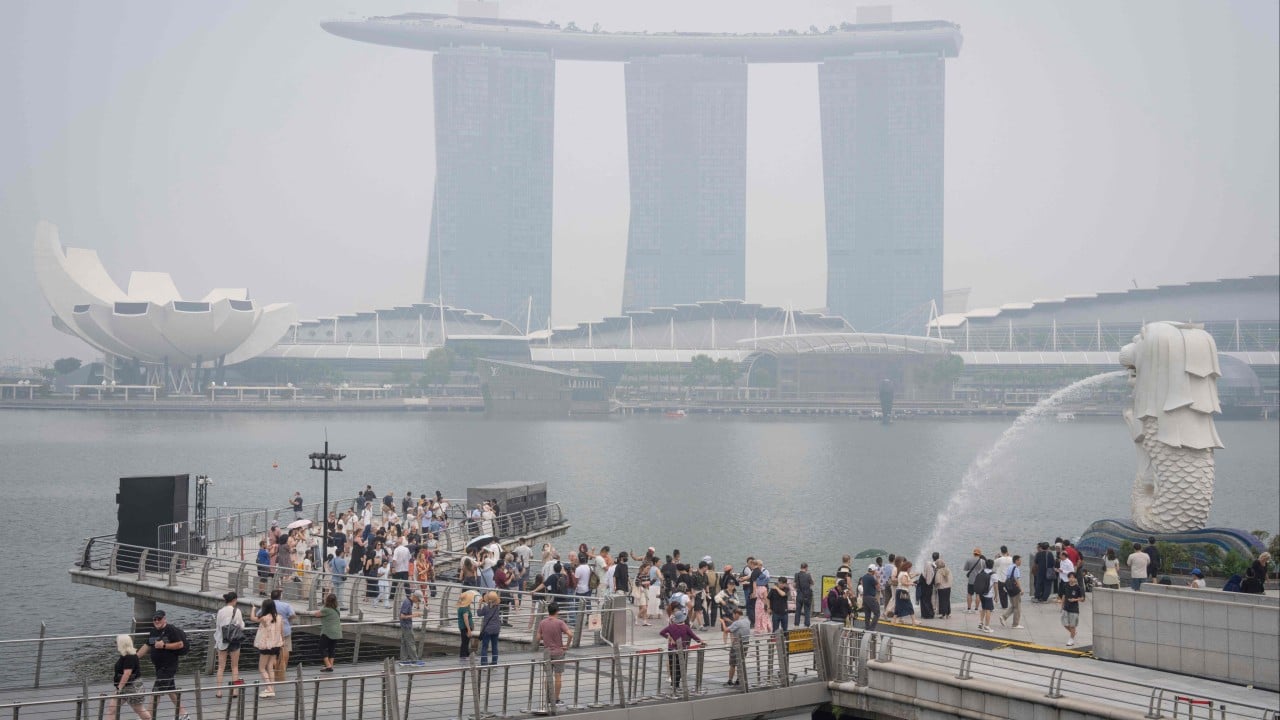
Bilateral friction between Jakarta and Singapore grabs headlines fast. Yet Jakarta's diplomatic message remains clear and stubbornly practical. ASEAN diplomacy cannot pause every time two neighbors clash over policy, airspace, extradition, or maritime boundaries.
That stance isn't naive optimism. It's hardheaded regional survival.
If you've followed Southeast Asian politics for even a few years, you know how quickly a bilateral dispute between Indonesia and Singapore can dominate regional commentary. One disagreement over haze, flight information regions, financial transparency, or security cooperation suddenly gets framed as an existential crisis for ASEAN unity. Honestly, that framing misses how ASEAN actually works.
ASEAN wasn't built because its members always agree. It was built precisely because they often don't.
The Real Meaning Behind Indonesia's Position
When Indonesian officials argue that ASEAN diplomacy must keep moving despite friction with Singapore, they're separating bilateral disputes from multilateral survival. That distinction matters more than most commentators admit.
Indonesia is Southeast Asia's largest economy and its most populous country. Singapore is the region's premier financial, logistics, and diplomatic hub. Both countries know they are structurally bound to each other through trade, investment, energy transit, and security across the Malacca and Singapore Straits.
Still, proximity breeds friction. Neighbors argue over things distant partners never have to manage.
Think about what happens if Jakarta allows a bilateral dispute with Singapore to freeze broader regional talks. Everything slows down. Myanmar crisis diplomacy stalls. South China Sea Code of Conduct negotiations lose momentum. Regional supply chain agreements sit untouched while major powers expand their influence across Southeast Asia.
Jakarta doesn't want that. Neither does Singapore, even during sharp diplomatic exchanges.
Bilateral Friction Is Normal in Southeast Asia
People outside the region often misread public disagreements between Indonesia and Singapore as signs of institutional collapse. They aren't.
Look at the historical record. Over decades, Jakarta and Singapore have navigated tough disputes over:
- Transboundary haze and environmental accountability
- Management of the Riau Islands Flight Information Region
- Extradition treaties and defense cooperation agreements
- Water, sand exports, and maritime boundary delimitation
In almost every instance, bilateral talks grew tense, media coverage turned dramatic, and regional diplomacy continued anyway. Ministers still sat at the same ASEAN tables. Working groups still met. Trade kept flowing across the strait.
That pattern tells you something crucial. In ASEAN, bilateral tension and multilateral continuity happen simultaneously.
Why ASEAN Cannot Afford a Diplomatic Freeze
Southeast Asia sits at the center of intensifying U.S.-China strategic competition. External powers constantly test whether ASEAN can hold together as a coherent diplomatic platform or fracture into competing camps.
If Indonesia and Singapore let bilateral grievances spill into ASEAN's broader agenda, external actors gain immediate room to maneuver. ASEAN centrality weakens the moment its core maritime states appear distracted by internal feuds.
Jakarta understands this dynamic better than almost anyone in the region. Indonesian foreign policy has long treated ASEAN as the primary vehicle for keeping Southeast Asia from becoming a playground for outside powers. Letting a row with Singapore derail ASEAN meetings would undermine Indonesia's own strategic autonomy.
The Stakes Go Beyond Two Capitals
A slowdown in ASEAN diplomacy doesn't just hurt diplomats in Jakarta and Singapore. It hits practical regional priorities that depend on steady institutional momentum.
- Crisis response in Myanmar requires continuous diplomatic pressure and coordination among ASEAN members, especially maritime states with diplomatic weight.
- Economic integration across the ASEAN Economic Community relies on uninterrupted regulatory alignment, digital trade rules, and cross-border investment frameworks.
- Maritime stability in the South China Sea depends on ASEAN speaking with enough coherence to keep negotiations credible.
- Energy and climate cooperation, including cross-border power grids and carbon frameworks, cannot move forward if bilateral politics block technical dialogue.
Pause the machinery, and every single one of those tracks loses time you can't easily recover.
What Most Commentators Get Wrong About Indonesia-Singapore Ties
There's a lazy habit in regional media of treating Indonesia-Singapore relations like a zero-sum contest. One side wins, the other loses. One capital pushes, the other resists.
That reading ignores the depth of economic interdependence between the two countries. Singapore consistently ranks among Indonesia's top foreign investors, pouring billions of dollars into Indonesian infrastructure, manufacturing, digital services, and industrial parks in Batam, Bintan, and Karimun. Meanwhile, Indonesian consumers, businesses, and capital flows remain vital to Singapore's service and financial sectors.
You don't burn down your neighborhood's main fire station because you're arguing with your next-door neighbor over a fence.
Even when political rhetoric sharpens, career diplomats and economic ministries in both capitals usually work quietly to insulate core cooperation from public fallout. That's why bilateral agreements on airspace, defense, and extradition eventually reached ratification after years of stop-and-start negotiations.
Quiet Diplomacy vs Public Friction
Public rows create political theater. Quiet diplomacy protects core interests.
When Indonesian officials state publicly that ASEAN diplomacy must not stop, they're doing two things at once. First, they're signaling to regional partners that Jakarta remains committed to ASEAN's calendar and institutional stability. Second, they're reminding domestic and international audiences that bilateral disagreements have boundaries.
It's a classic Jakarta diplomatic move: acknowledge the tension without letting it hijack the entire regional architecture.
How ASEAN Keeps Moving When Members Clash
If you want to understand why ASEAN survives repeated bilateral storms, look at its institutional design. Critics often mock ASEAN's consensus model and slow pace. Sometimes that criticism is earned. Yet that exact structure prevents one bilateral dispute from detonating the whole bloc.
ASEAN separates tracks deliberately.
- Bilateral issues stay bilateral whenever possible, handled through direct channels between the two governments involved.
- Technical and economic committees keep meeting even when political headlines turn sour.
- ASEAN Chairmanship agendas move forward on fixed annual cycles, forcing member states to stay engaged on shared regional deliverables.
Is the system messy? Yes. Does it frustrate observers who want instant breakthroughs? Constantly.
Yet compare Southeast Asia's interstate stability over the past fifty years with almost any other developing region. Despite territorial disputes, historical grievances, and sharp economic disparities, ASEAN states have avoided open war with one another since the bloc's founding. That didn't happen by accident. It happened because leaders kept talking even when they were angry.
What to Watch Next in Indonesia-Singapore Relations
If you're tracking how this latest diplomatic tension affects Southeast Asia, ignore the loudest commentary and watch concrete indicators instead.
Look at whether ministerial participation in upcoming ASEAN meetings stays at full senior representation. Watch whether joint economic projects in the Riau Islands and cross-border clean energy initiatives continue on schedule. Pay attention to working-level coordination on maritime security in the Malacca Strait.
As long as those channels stay active, the core relationship remains intact regardless of sharp headlines.
For policymakers, analysts, and businesses operating across Southeast Asia, the practical takeaway is straightforward. Do not treat bilateral noise between Jakarta and Singapore as a signal to pull back from regional engagement. Build your strategy around the reality that Indonesia and Singapore will occasionally clash in public while continuing to anchor ASEAN diplomacy behind closed doors.