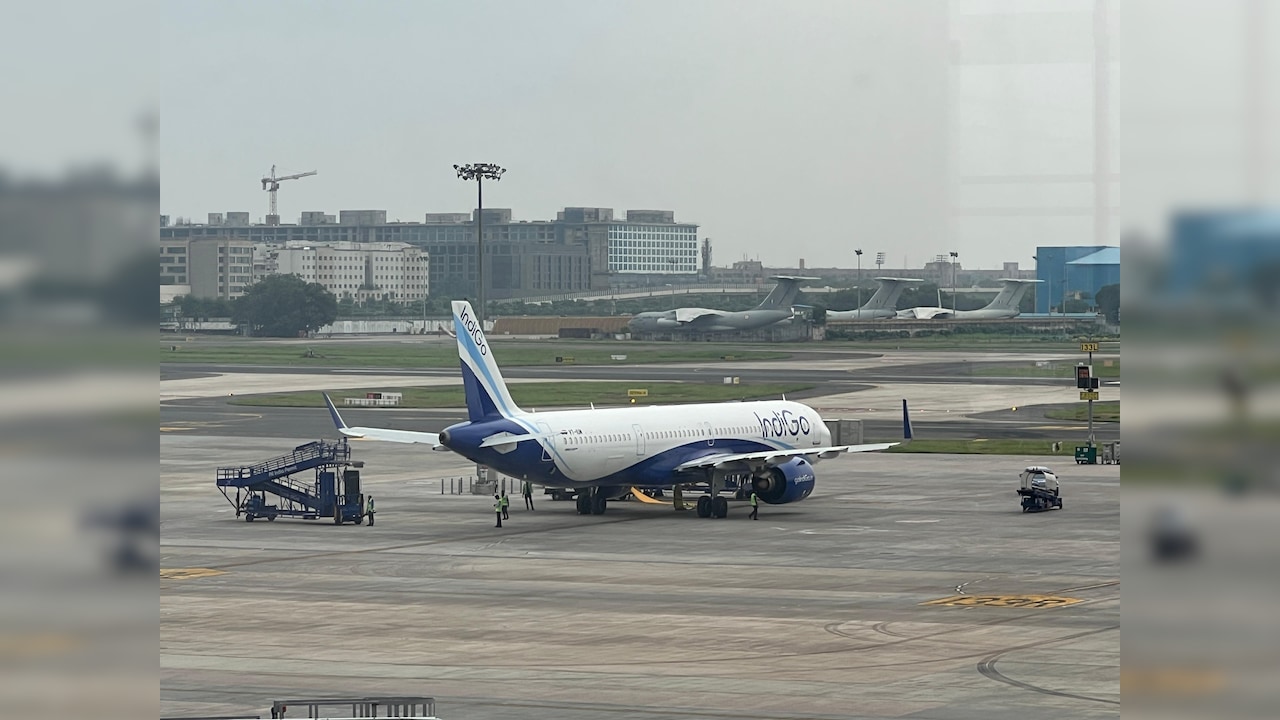
If you booked an IndiGo flight to Saudi Arabia thinking October 31 was the finish line, I have bad news. That date came and went. The cancellations didn't stop there.
IndiGo extended its suspension of flights to and from Jeddah, Madinah, Riyadh, and Dammam into late November 2026. Regional security threats—specifically missile and drone activity tied to hostilities involving Houthi forces in Yemen and attacks affecting Saudi infrastructure—forced airlines to keep jets on the ground.
When a headline says a carrier halted routes through October 31, travelers naturally treat it like a temporary bump. In reality, airspace advisories, airport permissions, and shifting security alerts don't run on neat monthly calendars.
What Changed After the October Cancellation Window
A lot of coverage around the October 31 cutoff made it sound like a fixed end date. It wasn't. It was just a rolling checkpoint in a much messier security picture.
Earlier in October, an attack at King Fahd International Airport in Dammam underscored how real the risk had become for commercial aviation. Even when airports reopened or temporary windows passed, airlines faced layered restrictions—including NOTAM rules requiring prior General Authority of Civil Aviation (GACA) permission and European Aviation Safety Agency (EASA) conflict zone bulletins covering parts of Saudi airspace and Gulf flight information regions.
By mid-November, IndiGo was still holding off on normal operations across four major hubs: Jeddah, Madinah, Riyadh, and Dammam. Some routes saw staggered adjustments before full end-of-month extensions, and other Indian carriers like Air India, Air India Express, and Akasa Air also adjusted or suspended services on affected Saudi routes.
Honestly, this is where travelers get burned. An airport reopening on paper doesn't mean your specific flight is cleared to fly. Airlines weigh crew safety, war-risk insurance, rerouting fuel costs, and real-time threat assessments before putting a plane in the air.
Why Gulf Airspace Disruptions Are So Tricky to Predict
Flying between India and Saudi Arabia looks straightforward on a map. In practice, it sits right next to active flashpoints.
Drone and ballistic missile incidents, along with sudden local emergency alerts—such as alerts issued in southern Saudi cities like Abha and Khamis Mushait following missile interceptions—can change aviation risk in minutes. When airspace gets tight, flights can't just "push through."
Instead, carriers deal with:
- Sudden NOTAMs and special permission rules for arrivals and departures.
- Safety bulletins warning operators to avoid specific flight information regions or exercise heightened caution.
- Knock-on delays across connecting Gulf hubs when schedules unravel.
There's also a legitimate debate among frequent flyers and industry watchers about how conservatively airlines should react. Some argue that halting point-to-point routes protects lives and avoids mid-air stranding. Others point out that sudden rolling extensions leave migrant workers, families, and Umrah travelers scrambling at high last-minute fares. Both sides have a point, though safety rules from regulators and airlines always win out over convenience.
Mistakes Travelers Make During Rolling Flight Suspensions
I've seen plenty of passengers lose time or money during regional disruptions because they treated a travel advisory like a normal weather delay. Don't make those same moves.
First, don't assume your booking is safe just because an earlier cancellation date expired. Rolling extensions happen fast—often via airline advisories and social updates.
Second, don't head to the airport without checking your specific PNR status. Even when neighboring Gulf routes like Dubai, Abu Dhabi, or Doha appear on schedules, regional airspace restrictions can trigger sudden reroutes or cancellations.
Third, watch who holds your ticket. If you booked through an online travel agency or third-party partner rather than directly with the airline, support queues can move slower when thousands of passengers rebook at once.
Practical Next Steps If You Have a Booking or Upcoming Trip
If you're flying between India and Saudi Arabia right now, keep your plan flexible and verify everything yourself.
- Check your PNR directly: Look up your booking on IndiGo's official flight status or manage-booking portal using your PNR and email or last name before making any move.
- Confirm your contact details: Make sure the phone number and email tied to your reservation are accurate so you get direct cancellation or schedule-change alerts.
- Review refund and rebooking options: Check whether your affected flight qualifies for fee-free date changes, alternative flights, or a refund under the airline's disruption policy.
- Double-check indirect routes: If you're routing through another Gulf city or looking at another carrier, verify both legs and check current government and aviation advisories before locking in non-refundable plans.