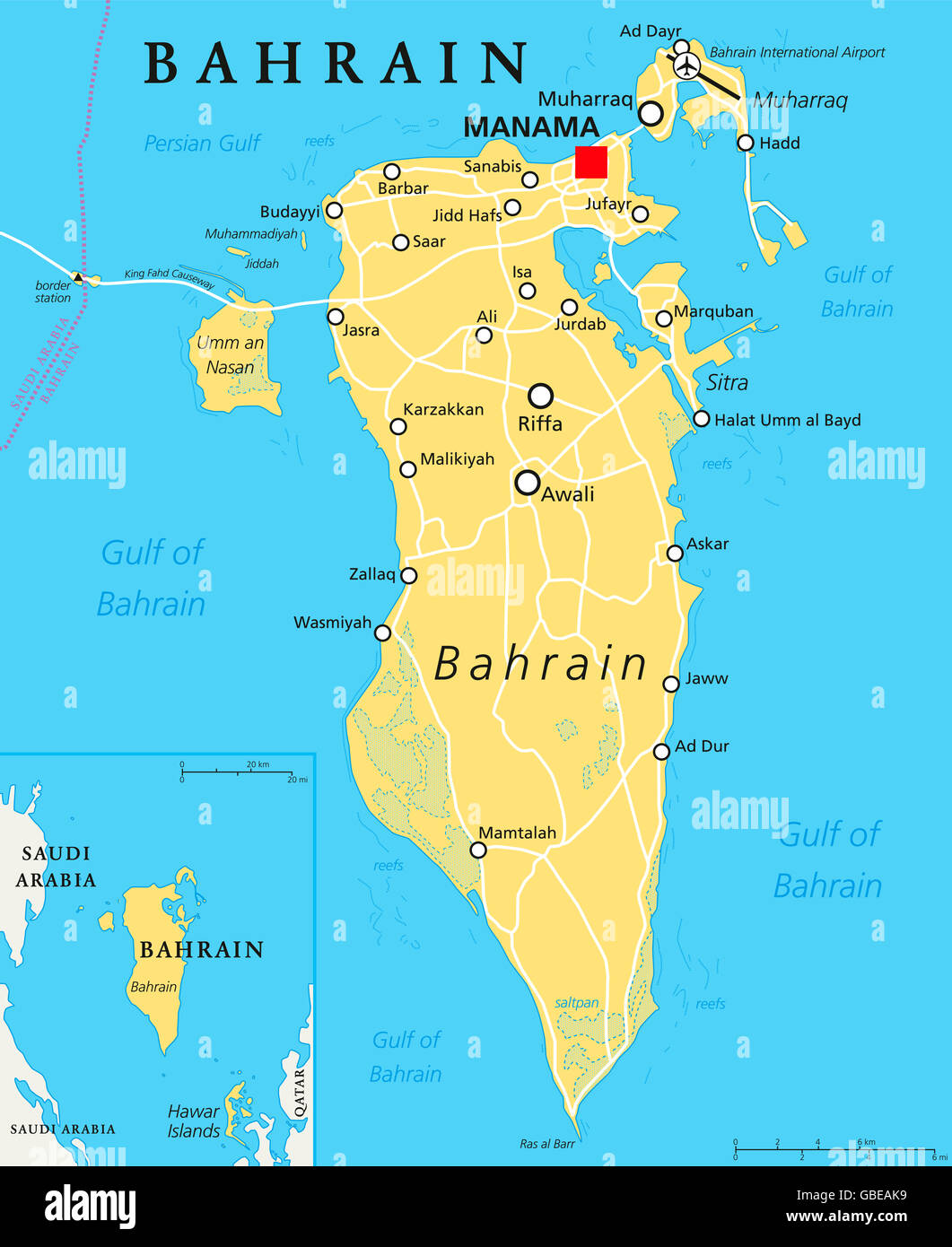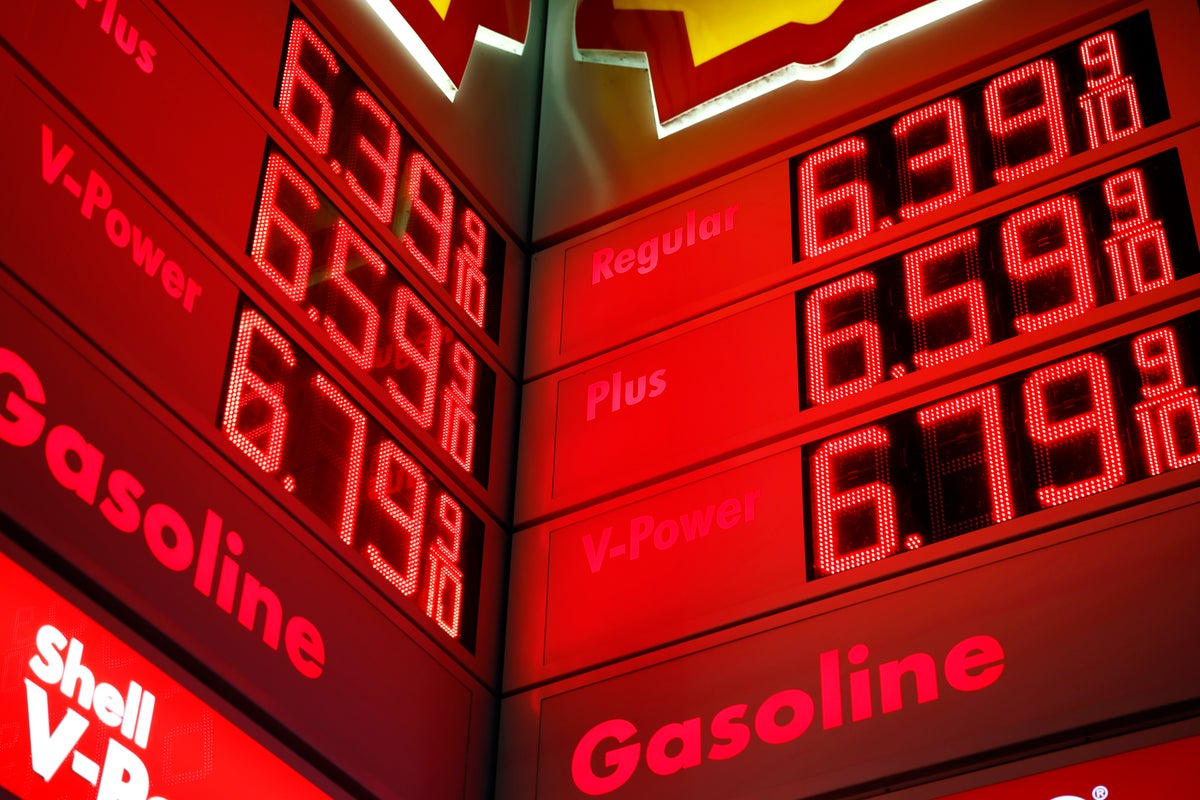
You are sitting at a traffic light in Los Angeles, staring at a gas pump sign that reads $6.15 a gallon. Your stomach drops. Across the Pacific, a homemaker in Mumbai is staring at an empty stove, wondering how she will cook dinner because her neighborhood has completely run out of liquefied petroleum gas (LPG) cylinders.
It feels like these two events shouldn't have anything to do with each other. They do. If you found value in this post, you should check out: this related article.
The ongoing war with Iran has scrambled global supply chains in ways that sound like bad economic fiction. Because of a massive bottleneck at the Strait of Hormuz, India is facing a historic shortage of household cooking gas. To cope, Indian refineries have aggressively pivoted their operations to maximize domestic cooking fuel. But that pivot has triggered a disastrous domino effect. By shifting their production, those same Asian refineries have choked off the supply of a highly specialized chemical compound that California absolutely depends on to make its unique, clean-burning summer gasoline.
The result is a direct hit to your wallet. California drivers are paying the highest fuel prices in the nation, and the hidden link connects straight back to kitchens in India. For another perspective on this story, see the recent coverage from The Motley Fool.
The Alkylate Bottleneck
To understand why a crisis in Mumbai hikes the price of a drive in Sacramento, you have to look at how California makes its fuel. California is essentially an island when it comes to energy. It isn't connected to the rest of the United States by a robust network of interstate pipelines. The state can't just call up Texas and ask for more fuel when things get tight.
On top of that, California enforces the strictest environmental standards in the world for motor fuel. To combat the infamous summer smog, state law mandates a specific, clean-burning summer gasoline blend. A key component of this blend is a high-octane additive called alkylate. Alkylates are clean, low-vapor blending components that help fuel burn cleanly without turning into the heavy air pollution that traps heat in the Central Valley and the LA Basin.
California does not make enough of this stuff on its own. With several major local refineries shutting down over the last few years, the state relies on foreign imports for about three-quarters of its oil and a significant portion of its finished blending components. A major chunk of those blending components comes from massive, advanced refining complexes in Asia, particularly in India.
When the war started in late February and the Strait of Hormuz effectively closed, it choked off 90 percent of India’s LPG imports. Indian refiners faced an immediate, catastrophic choice: keep exporting lucrative industrial chemicals to the West, or rewrite their refining playbooks to prevent their own population from rioting over empty cooking stoves. They chose survival.
Refineries in India restructured their operations to maximize the output of local heating and cooking fuels. When you tweak a refinery to produce more of one specific fuel, you inherently produce less of something else. In this case, the production of alkylates plummeted. The export pipelines dried up.
Data from GasBuddy shows that California's average retail price for fuel hit $6.14 per gallon by mid-May, with some regions pushing well past that. According to Mason Hamilton, chief economist for the American Petroleum Institute, India's restricted LPG supplies have directly pinched the supply of these critical alkylate additives. California is now trapped in a bidding war on the global market to secure whatever clean-blending components are left, and you are footing the bill at the pump.
The Brutal Reality of India’s Energy Emergency
It is hard to overstate the scale of what is happening on the ground in India right now. While Californians complain about a $130 tank of gas, the situation across the Indian subcontinent has devolved into a scramble for basic subsistence.
India imports roughly 60 percent of its total LPG requirements. Because of the naval blockades and military strikes in the Middle East, those shipments have virtually stopped. The impact was immediate and severe:
- Black Markets: The official price of a standard 14.2 kg domestic gas cylinder has spiked, but the real pain is in the underground economy, where desperate families are paying up to ₹4,000 ($48 USD) for a single bootleg cylinder.
- The Firewood Reversion: The Indian government has aggressively restricted LPG supplies to commercial businesses like hotels, restaurants, and industrial plants to preserve what little gas remains for home kitchens. Left with no choice, thousands of commercial kitchens and restaurants have pivoted to burning raw firewood and biomass. Food prices are skyrocketing, and the air quality in major urban centers is collapsing.
- Economic Halts: The industrial fallout is real. In Gujarat, the heart of India's tile and ceramic manufacturing sector, factories completely suspended production for weeks because they lacked the gaseous fuels required to run their kilns.
- Reverse Migration: By April, major Indian metros began recording the early stages of reverse migration. Laborers and migrants, unable to afford or even find the fuel required to cook daily meals in the cities, started packing up and heading back to rural villages.
This is why Prime Minister Narendra Modi made a public plea urging citizens to drastically cut down on petrol and diesel consumption, avoid buying gold to protect the national currency, and work from home whenever possible. The country is in a structural defensive crouch. Sending clean-burning gasoline additives to North America is the absolute lowest item on their priority list.
Why California Can’t Easily Fix This
The common response from frustrated drivers is simple: why can't we just make our own gas?
The reality is that California’s energy infrastructure has been systematically dismantled over the last decade in anticipation of a green transition, leaving the state highly vulnerable during an international supply shock.
According to data from the California Energy Commission (CEC), the state’s gasoline inventories recently hovered near record lows dating back to 2005. We are running on borrowed time and thin buffers. Siva Gunda, the vice chairman of the CEC, noted during an assembly oversight hearing that while California has enough fuel to satisfy immediate demand for about another month, the long-term outlook is incredibly murky.
Could California policy change this? Not easily. The state cannot simply waive its clean air requirements without triggering massive legal challenges and severe environmental degradation during the peak summer ozone season. The political will to roll back environmental rules does not exist in Sacramento.
Furthermore, the domestic US market cannot easily rescue the West Coast. There are no major pipelines connecting the refining hubs of the Gulf Coast to California. Moving fuel by sea from Houston to Los Angeles requires using American-flagged vessels under the Jones Act, which drives transport costs so high that it is often cheaper to bid on a tanker coming all the way from Asia or Europe.
So, California does what it always does when supply gets tight: it outbids the rest of the world. The state uses its immense economic wealth to pull fuel and blending components away from other markets. But as energy experts point out, moving molecules to California through sheer purchasing power comes at a premium.
What This Means for Your Wallet This Summer
If you are waiting for gas prices to drop back down to $4 a gallon anytime soon, you need a reality check.
National prices across the United States have already jumped past $4.30 a gallon—a four-year high. But California is in a league of its own. Patrick De Haan, a head petroleum analyst at GasBuddy, warns that if the current alkylate shortage intensifies and global crude oil stays north of $100 a barrel, retail prices in California could easily breach $6.50 or even approach $7.00 a gallon by the peak July driving season.
Every $40 increase in a barrel of crude oil translates to roughly an extra dollar at the pump. If the Strait of Hormuz remains blocked through June and July, global stockpiles will dry up completely, and a true global bidding war will begin.
Survival Steps for West Coast Drivers
You can't broker peace in the Middle East, and you can't force an Indian refinery to change its production schedule. You can, however, change how you manage your budget as this fuel crisis drags on.
- Audit Your Driving Routes Now: This isn't generic advice. Download apps like GasBuddy or Google Maps to specifically plot out fuel stops before you leave the house. Prices can vary by as much as 40 to 60 cents a gallon between stations located just two blocks apart. Avoid buying fuel anywhere near major freeway off-ramps or affluent coastal neighborhoods where real estate costs push pump prices to extreme premiums.
- Maximize Membership Stacking: If you aren't stacking discounts, you are throwing money away. Combine warehouse club memberships (like Costco or Sam’s Club) with loyalty rewards programs from major grocery chains or specific fuel brands. Some grocery programs allow you to accumulate points that translate to up to $1 off per gallon on a single fill-up.
- Rethink Summer Travel Plans: If you are planning a classic California road trip up the PCH or into Yosemite this summer, calculate the fuel costs beforehand. A minivan or SUV making a 500-mile round trip at $6.50 a gallon will easily eat up $150 to $200 just in gas. Consider consolidating trips, carpooling, or shifting to rail options like Amtrak where feasible.
- Optimize Vehicle Efficiency: It sounds minor, but driving at 65 mph instead of 75 mph on the freeway improves fuel economy by up to 15 percent. Ensure your tires are inflated to the maximum recommended PSI listed on your driver-side door jamb. Under-inflated tires increase rolling resistance and quietly bleed fuel efficiency when you can least afford it.
The lines at the fuel depots in India and the skyrocketing numbers on the pumps in California are two sides of the exact same coin. Until the geopolitical crisis cools down and global trade routes reopen, the pain at the pump will remain an expensive reality of daily life on the West Coast.