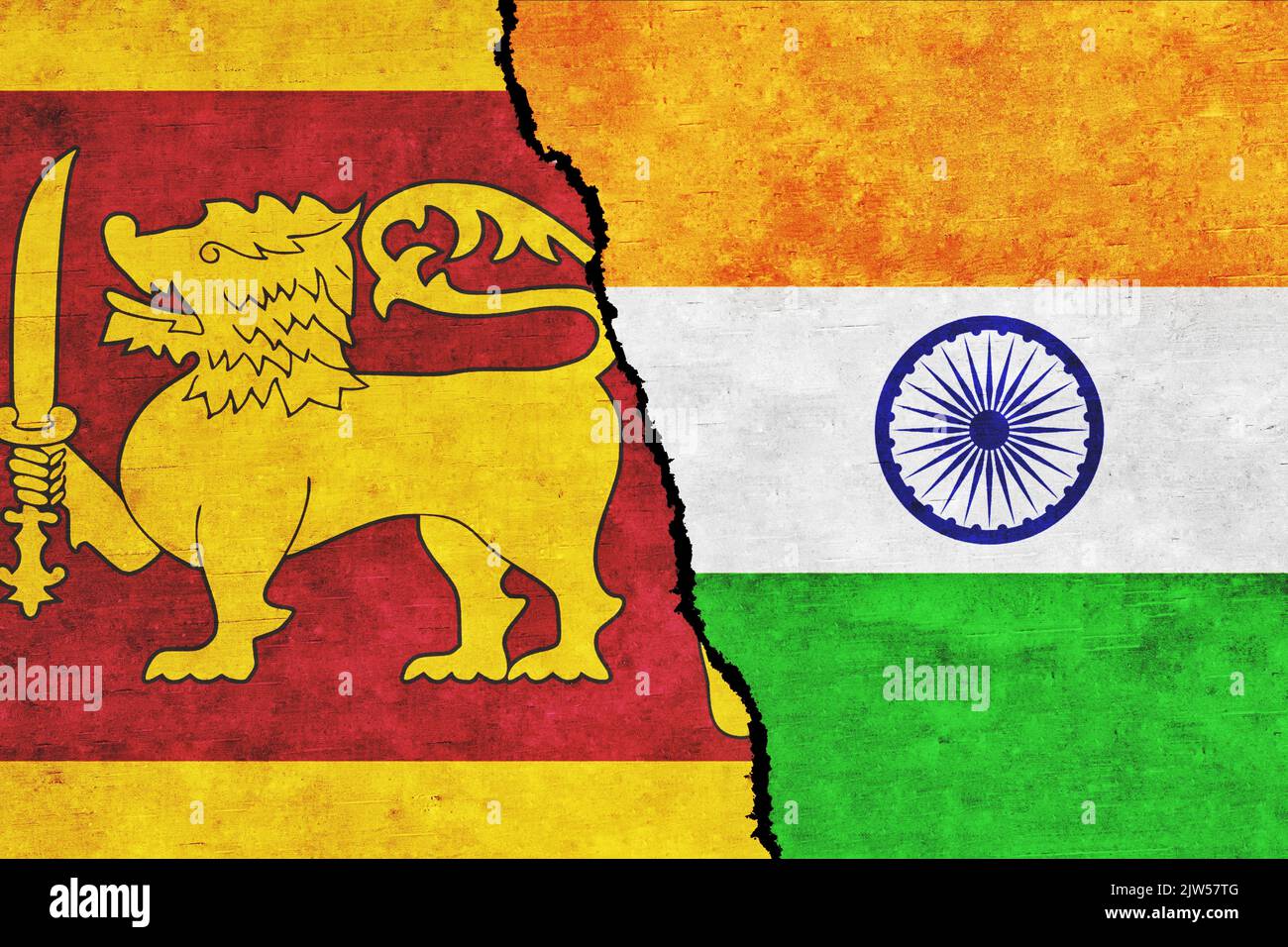
Vice President Radhakrishnan didn't just fly to Colombo for a photo op. When he sat down with Sri Lankan President Anura Kumara Dissanayake this week, the room held more than just two leaders. It held the weight of a shifting Indian Ocean power dynamic that's been bubbling for years. If you think this was another routine diplomatic handshake, you're missing the point. This meeting signals a massive pivot in how India handles its neighbors under a new, more skeptical Sri Lankan administration.
Diplomacy usually moves at a snail's pace. Not here. President Dissanayake, leading the National People’s Power (NPP) coalition, has spent months signaling a "Sri Lanka first" policy. Many analysts worried this meant a sharp turn toward Beijing. But Radhakrishnan’s visit proves that New Delhi isn't waiting around to see which way the wind blows. They’re actively shaping the weather.
Why this meeting actually matters for regional stability
We’ve seen plenty of summits where nothing happens. This wasn't one of them. The core of the discussion centered on maritime security and economic integration. Sri Lanka sits right on the world’s busiest shipping lanes. If that island goes unstable, or if it leans too far into the pocket of a rival superpower, India’s southern flank is exposed.
Radhakrishnan brought a specific agenda to the table. He wasn't just there to offer platitudes about "ancient bonds." He focused on digital public infrastructure and energy connectivity. Think about it. If India can link its power grid to Sri Lanka’s, both nations win. Sri Lanka gets cheaper, more reliable energy. India gains a massive stake in the island's daily survival. It's smart. It's practical. And honestly, it’s about time.
The President's office later confirmed that debt restructuring and investment projects were high on the list. Dissanayake is in a tough spot. He inherited a bruised economy and a population that's tired of austerity. He needs quick wins. Radhakrishnan knows this. By offering immediate cooperation on technology and trade, India is positioning itself as the partner that actually delivers, rather than just the one that lends money at high interest rates.
Breaking down the NPP shift
People keep asking if Dissanayake is "pro-China" or "pro-India." That’s the wrong question. He’s pro-Sri Lanka. His political roots are in a movement that was historically wary of Indian influence. However, being in power changes your perspective. You can’t eat ideology.
During the meeting, Radhakrishnan emphasized that India’s "Neighborhood First" policy isn't just a slogan. It’s a multi-billion dollar commitment. For Dissanayake, this is a balancing act. He needs to satisfy his domestic base—which wants sovereignty and less foreign interference—while keeping the lights on. Radhakrishnan seems to have played this perfectly by focusing on "capacity building" rather than just "aid."
New Delhi is betting that by helping Sri Lanka build its own digital and physical infrastructure, they create a bond that's harder to break than a simple loan agreement. They're talking about UPI integration. They’re talking about renewable energy plants in the north. These aren't just projects. They're anchors.
Security is the elephant in the room
Let's be real. You can't talk about these two countries without talking about the Indian Ocean. India wants a "Security and Growth for All in the Region" (SAGAR) approach. That’s fancy talk for "don't let foreign spy ships dock in your ports."
Radhakrishnan and Dissanayake touched on the need for a peaceful and stable maritime environment. While the official statements were polite, the subtext was clear. India expects Sri Lanka to be mindful of New Delhi’s security concerns. In exchange, India is willing to be the first responder in any crisis, whether it’s economic or a natural disaster. We saw this during the 2022 financial collapse when India sent fuel and medicine while others stayed silent. That memory still has a lot of currency in Colombo.
What happens next for trade and investment
Talk is cheap. The real test comes in the next six months. We need to watch the Adani green energy projects and the various port development deals. There’s been some pushback in the Sri Lankan courts and media about these. If Dissanayake allows them to proceed, it’s a sign that the relationship is on solid ground.
Radhakrishnan’s visit also paved the way for more high-level exchanges. Don't be surprised if we see a formal state visit from Dissanayake to New Delhi very soon. The groundwork is laid. The tension is lower than it was three months ago.
Investors should keep an eye on the following sectors:
- Digital payments and fintech integration between the two nations.
- Renewable energy projects, specifically wind and solar in the Mannar region.
- Logistics and port management facilities.
- Tourism initiatives that simplify travel for Indian visitors.
Sri Lanka is trying to diversify its dependencies. India is trying to ensure it remains the primary partner. It's a game of chess, and Radhakrishnan just moved a very important piece.
If you're following South Asian politics, stop looking at the rhetoric and start looking at the projects. The shift toward a more pragmatic, tech-heavy partnership is real. It’s less about history and more about the future of the Indo-Pacific. The handshake in Colombo was the start of a very long, very complicated chapter.
Keep your eyes on the upcoming trade data. If the numbers start moving toward deeper integration, we’ll know this meeting was more than just talk. Check the official bulletins from the Ministry of External Affairs and the Sri Lankan President’s Media Division for the fine print on the agreements signed this week. That's where the real story lives.