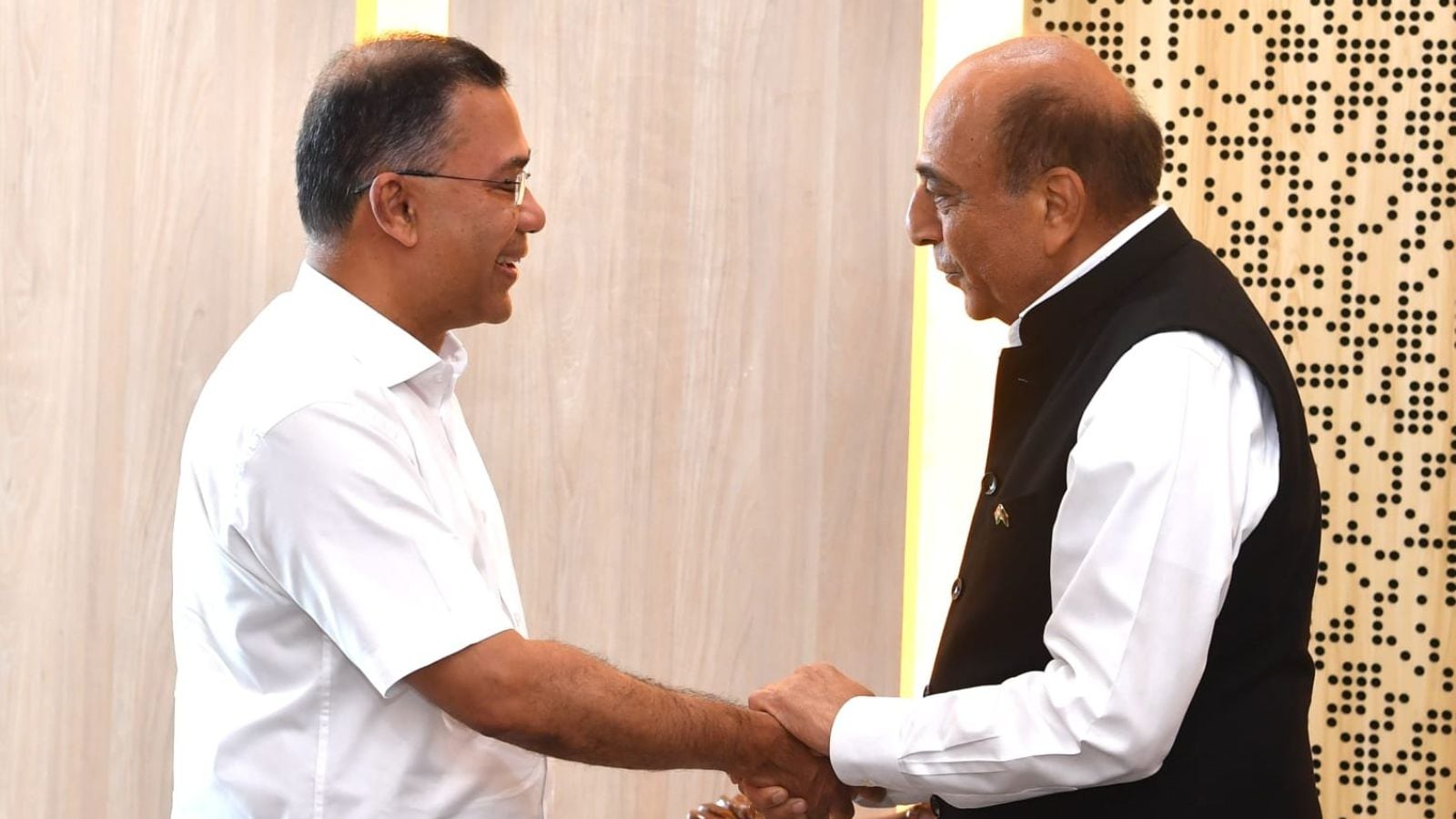
Diplomatic friction rarely disappears over a quick cup of tea, but high-stakes neighbors have to try. Indian High Commissioner Dinesh Trivedi sat down for his first official meeting with Bangladesh Prime Minister Tarique Rahman in Dhaka, and the timing couldn't be more delicate.
If you've been following South Asian politics, you know the root cause. Former prime minister Sheikh Hasina popped up on a virtual media broadcast from New Delhi, dropping a political bomb. She vowed to return to Bangladesh by December to restore democracy, ignoring the small detail that a special tribunal sentenced her to death in absentia. Naturally, Dhaka went ballistic.
The Shadow of a Virtual Presser
When an ousted leader takes refuge in a neighboring capital and then uses that digital platform to plan a political comeback, the host country catches flak. That is precisely what happened on August 5. Hasina addressed reporters from New Delhi, calling her ouster illegitimate and signaling her intent to reclaim political ground.
Bangladesh officials labeled her an absconding, convicted genocider. They argued that allowing her to broadcast political messages from Indian soil directly damages bilateral trust.
India's Ministry of External Affairs tried to thread the needle. They stated clearly that New Delhi had zero role in the media event and does not endorse anything Hasina said about the current administration in Dhaka. But words from bureaucrats rarely satisfy a government dealing with the physical reality of a bitter political transition.
The Extradition Tug-of-War and High-Level Diplomacy
Trivedi's half-hour meeting at the Prime Minister's office covered more than just hurt feelings. Bangladesh brought up its ongoing demand for Hasina's extradition. That request sits heavily on New Delhi's desk, creating an uncomfortable legal and diplomatic puzzle. Handing her over violates standard political asylum norms, but refusing strains ties with a newly elected government under Tarique Rahman that took power earlier this year.
Despite the tension, both sides are trying to keep communication lines open. Trivedi met with Bangladesh Foreign Minister Khalilur Rahman just a day prior. The Indian envoy has publicly insisted that a face-to-face summit between Prime Minister Narendra Modi and Tarique Rahman remains the best tool to clear the air.
Will Dhaka Skip the BRICS Summit?
Behind the closed doors of these diplomatic parleys lies an immediate question about regional summits. India invited Rahman to attend the upcoming BRICS summit in New Delhi scheduled for September.
Local media reports in Bangladesh suggested Rahman might skip the trip altogether to protest the handling of the Hasina situation. Whether Trivedi's introductory meeting convinced Dhaka to keep the travel plans intact remains to be seen.
For now, New Delhi wants a stable, predictable neighbor, and Dhaka wants accountability for its former leader. Expect more quiet backchannel talks before any public breakthroughs happen.
:max_bytes(150000):strip_icc()/ar-American-Cheese-taste-test-horizon-4x3-54cc339550cd44b9a818c17bdfd5428d.jpg)