Mexico became the first nation to secure a spot in the knockout rounds of the 2026 World Cup, but the scenes inside the stadium told a completely different story from the headlines. A narrow 1-0 victory over South Korea on Thursday night at Guadalajara Stadium sealed Group A for the co-hosts, ensuring they will play their Round of 32 fixture in Mexico City. On paper, it looks like an unmitigated success for Javier Aguirre's squad. In reality, the performance exposed systemic flaws that have plagued Mexican football for decades, leaving fans questioning whether this tournament will end in another premature exit.
The Delusion of a Gifted Victory
To understand how far Mexico is from true elite status, one only had to look at the 50th minute in Guadalajara. A routine cross floated into the box by the Mexican midfield should have been handled comfortably by South Korea goalkeeper Kim Seung-gyu. Instead, the veteran keeper bobbled the ball into the path of Luis Romo, who tapped it into an empty net.
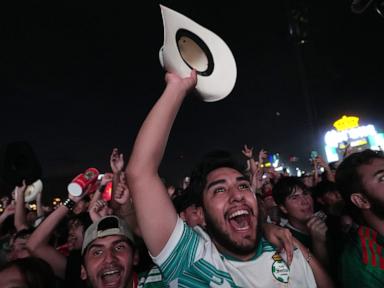
It was a goal born entirely of an opponent’s error rather than creative brilliance. Before that moment, the home crowd of 45,522 had grown hostile, raining down boos as the first half ended in a stagnant, uninspired stalemate. Javier Aguirre’s tactical setup lacked imagination, relying on direct long balls that were easily intercepted by Kim Min-jae and the disciplined Korean backline.
A win is a win in tournament football. Yet, relying on defensive blunders is a hazardous strategy when the competition stiffens in the later rounds.
Historical Weight and Home Soil Pressure
Mexico enters the knockout stage with an infamous psychological burden. Between 1994 and 2018, the national team reached the Round of 16 in seven consecutive tournaments, only to lose every single time. This historical ceiling, known locally as the quinto partido curse, dictates the entire narrative around the team. The complete failure to advance past the group stage in Qatar four years ago stripped away any lingering complacency.
Playing on home soil was supposed to provide an undeniable advantage. Instead, the emotional weight of expectation appears to be paralyzing the players. The opening 2-0 win against South Africa at the Azteca Stadium was functional but tense. Against South Korea, the anxiety was palpable.
The national team had never won a World Cup match on home soil outside of Mexico City before Thursday night. Their only previous venture away from the capital ended in a brutal 4-1 thrashing by Italy in Toluca during the 1970 tournament. While the victory in Guadalajara technically broke that historical anomaly, the manner of the performance did little to inspire genuine confidence.
Tactical Gridlock and Defensive Over-Reliance
Aguirre’s decision to employ a conservative defensive structure has stabilized a team that looked fragile during the preparation cycle. Raúl Rangel has emerged as a reliable presence in goal, producing a crucial save in the 87th minute to deny a powerful header from Cho Gue-sung. Captain Edson Álvarez managed to anchor the midfield despite carrying the residual effects of major ankle surgery, showing immense physical resilience.
The defensive solidity masks a severe deficiency in the attacking third. Santiago Giménez and Raúl Jiménez both saw limited service when coming off the bench, and the starting front three failed to create a single clear-cut chance from open play in the first 45 minutes. Son Heung-min, despite being isolated for much of the match and eventually substituted in the 57th minute, still managed to threaten the Mexican goal by firing a dangerous shot over the bar in the first half.
When Mexico faces elite European or South American opposition in the Round of 32, they will not be gifted simple errors. The lack of a cohesive attacking identity means that if Mexico concedes first, they lack the tactical tools to chase a game effectively.
The Commercial Machine vs Sporting Reality
The surge in betting odds, moving Mexico from +6500 to +5000 to win the tournament after topping Group A, reflects public enthusiasm rather than objective reality. The Mexican football federation has long prioritized commercial success, scheduling lucrative friendly matches across the United States to maximize revenue. This financial strategy has often come at the expense of sporting development, leaving young domestic talent starved of high-level competitive environments.
The expansion of the World Cup to 48 teams introduced the Round of 32, meaning Mexico must now win an extra knockout match just to reach their elusive fifth game. The path ahead will likely pit them against a third-place finisher from Group C, E, F, H, or I. While that sounds favorable, the structural rot within the domestic league, which lacks promotion and relegation while placing heavy reliance on foreign purchases, means the national team pool lacks depth.
Aguirre admitted after the match that the qualification relieves pressure on the squad, describing his players as euphoric. That euphoria might be short-lived. A football culture that settles for relief over dominance is fundamentally ill-equipped to lift the trophy on July 19.
The fans walking the streets of Guadalajara and Mexico City are celebrating a mathematical milestone, but the tactical reality suggests that the celebrations are premature. Mexico has advanced, but they have done so by walking a tightrope that is bound to snap the moment they face an opponent capable of punishing their lack of ambition.