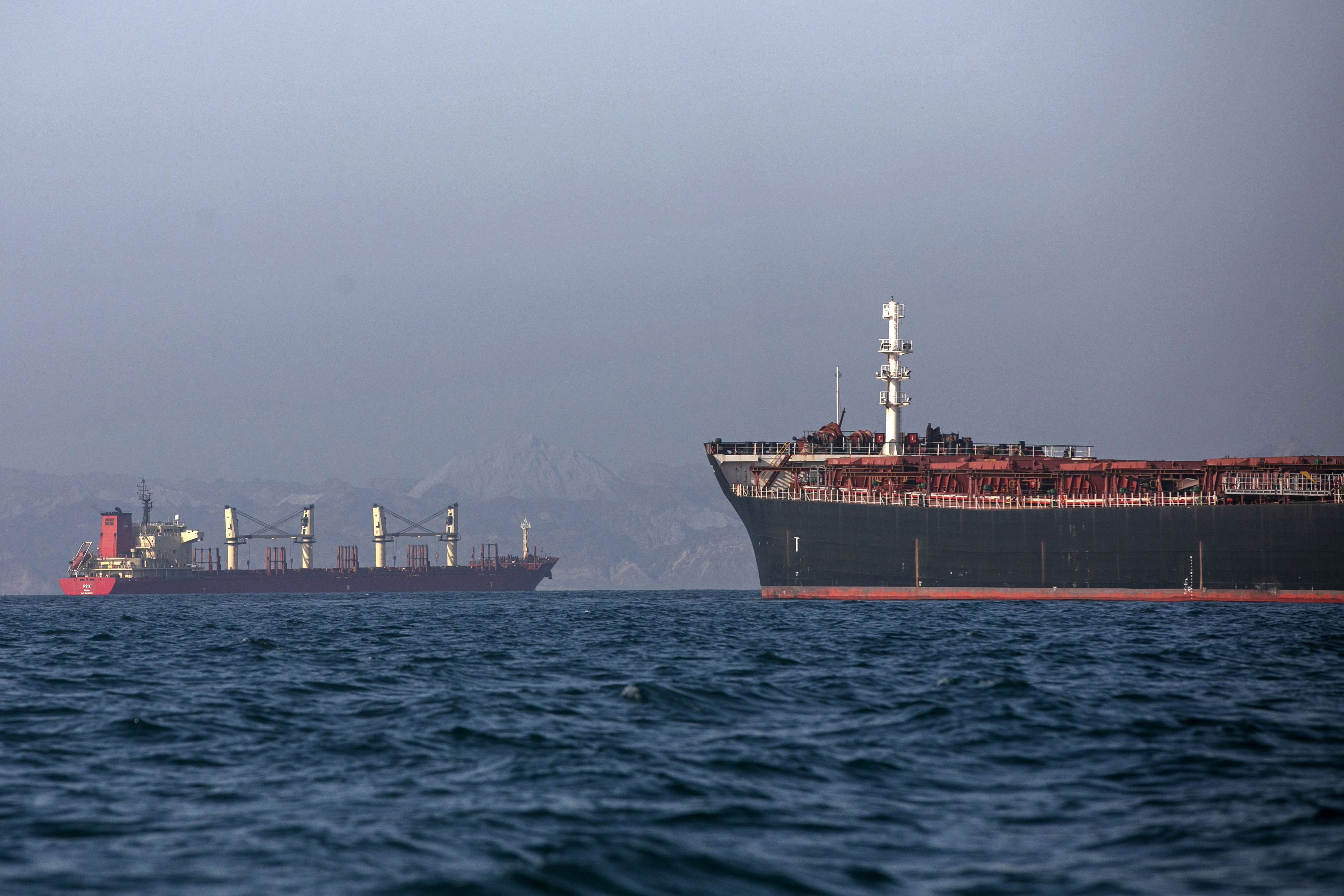
Iranian state television sent shockwaves through global energy markets by broadcasting details of an unofficial draft agreement with the United States. The proposal promised a swift end to the three-month-old naval conflict, pledging to restore commercial shipping through the critical Strait of Hormuz to pre-war levels within thirty days in exchange for Washington lifting its suffocating naval blockade. Within hours, Brent crude plunged nearly five percent, slipping below $95 a barrel as traders aggressively priced in the sudden return of Middle Eastern crude.
The market response was as predictable as it was short-sighted. It ignored the severe trust deficit between the warring parties, the deep domestic pressures facing both leaderships, and the structural wreckage of a regional security architecture that cannot be mended by a temporary memorandum of understanding. The White House quickly dismissed the report as a complete fabrication, while Iranian media quietly scrubbed the announcement from their channels without explanation.
What the world witnessed was not a diplomatic breakthrough, but a calculated piece of psychological warfare disguised as a peace proposal.
The underlying conflict erupted in February following an unprecedented escalation of drone and missile strikes between Iran and Israel. When Tehran subsequently moved to disrupt commercial transit through the Strait of Hormuz—the choke point for twenty percent of global oil consumption—the United States responded with a comprehensive naval blockade of Iranian ports.
For the past several weeks, the global economy has survived on borrowed time and depleted reserves. Under the mediation of Pakistan and Qatar, indirect talks in Islamabad and Doha have attempted to convert a fragile ceasefire into a formal framework. The core mechanism of the leaked draft hinges on a phased sequencing. Iran would clear the mines it dropped into the Persian Gulf shipping lanes and allow commercial tankers unhindered passage. In return, Washington would withdraw its fleet from Iran’s immediate perimeter, allowing the Islamic Republic to resume exporting crude to international buyers.
The primary flaw in this blueprint lies in the asymmetry of what is being offered versus what is being demanded. For Iran, the blockade is an existential economic crisis. The country is negotiating on economic fumes, its domestic infrastructure battered by isolation and its financial system denied access to billions in frozen assets held in Qatari banks. Tehran desperately needs an immediate cash injection and the resumption of oil revenues to maintain internal stability.
Conversely, Washington views the current status quo as a positions-of-strength ledger. The White House has made it clear that the naval blockade will remain in full force and effect until a permanent agreement is finalized. The American administration is under little immediate domestic pressure to yield. While the International Energy Agency warned that the global oil market would enter a perilous red zone by summer, the strategic petroleum reserves released by Western governments have successfully cushioned the initial supply shock.
Beyond the immediate logistics of maritime trade, the draft framework intentionally ignores the primary catalyst of the entire conflict: Iran's advancing nuclear program. Western intelligence officials maintain that any durable peace requires Tehran to relinquish its highly enriched uranium stockpile. The Iranian negotiating team, led by parliamentary speaker Mohammad Bagher Ghalibaf, has consistently tried to sever the shipping issue from the nuclear file. They want immediate sanctions relief and the unfreezing of assets, while deferring the nuclear concessions to a vague, secondary round of talks sixty days down the line.
This sequencing is a non-starter for Washington and its regional allies. Israel has explicitly warned that a temporary ceasefire offering immediate financial reprieve would simply allow Tehran to rebuild its depleted ballistic missile inventories. From Jerusalem’s perspective, the proposed framework does not prevent a nuclear escalation; it finances one.
Even if the technical hurdles of ship tracking and mine clearance were resolved under a joint Omani-Iranian mechanism, the geopolitical landscape has fundamentally shifted since February. Gulf Arab nations, having watched Iranian drones strike regional infrastructure throughout the brief war, are quietly re-evaluating their security dependencies. If the United States accepts a deal that restores the pre-war status quo without dismantling Iran’s regional proxy network, it will signal to the region that Tehran’s brinkmanship works.
The drop in oil prices witnessed after the state television broadcast reflects speculative hope rather than structural reality. The physical constraints of the oil market remain rigid. Reopening a mined, highly contested waterway takes time, verification, and insurance underwriters willing to bet hundreds of millions on a fragile political handshake.
The diplomacy currently playing out in Islamabad and Doha is not a sign of impending peace, but an exercise in mutual exhaustion. Iran is testing the limits of Western economic tolerance, while the United States is testing the limits of Iranian domestic endurance. Until one of these forces breaks, any draft agreement leaked to the press is merely noise in an ongoing war of attrition. Energy markets would do well to stop treating public relations maneuvers as policy breakthroughs.


