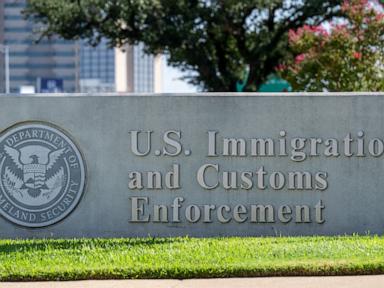
The federal government is shifting its crosshairs directly onto the lawyers who represent migrants. In a major policy pivot, the Department of Homeland Security is weaponizing an underused administrative tool to fine immigration attorneys accused of filing false asylum claims.
Historically, Immigration and Customs Enforcement (ICE) relied on immigration judges or federal prosecutors to handle bad actors through disciplinary boards and criminal courts. Not anymore. A memo from DHS General Counsel James Percival instructs ICE attorneys within the Office of the Principal Legal Advisor to aggressively pursue civil fraud cases against the immigration bar.
This isn't just a bureaucratic tweak. It's an aggressive strategy designed to dry up legal representation for asylum seekers by targeting the bank accounts and licenses of the lawyers who defend them. If you or a loved one are navigating the immigration system, understanding this shift is vital because the ripple effects will hit migrants hardest.
The Financial Screws Turning on the Immigration Bar
The strategy relies on a federal statute that allows the government to pursue steep civil penalties for immigration-related document fraud. Anyone who knowingly prepares, files, or helps file an application containing false statements can face these fines.
The process kicks off with a formal charging document called a "Notice of Intent to Fine." While lawyers can fight these allegations before an administrative law judge, losing gets incredibly expensive.
First-time offenses carry a financial penalty of up to $4,730 for each fraudulent document or act. Subsequent offenses skyrocket to $11,823 per document. For a high-volume law firm, a few cases flagged by ICE could easily compound into hundreds of thousands of dollars in systemic penalties.
Beyond the cash drain, a fraud finding triggers an automatic referral to disciplinary authorities. That means suspension or total expulsion from practicing before immigration courts.
Why This Policy Shifts the Burden to Migrants
The administration claims some lawyers routinely coach migrants to lie, exaggerate testimonies, or conceal their pasts to meet the strict legal definitions of asylum. The DHS memo argues that asylum is meant for narrow, unique circumstances, but alleges it has become standard practice for lawyers to claim that virtually every undocumented migrant faces persecution or torture back home.
The reality on the ground looks very different. The line between a weak legal case, a frivolous claim, and actual fraud is notoriously blurry in immigration law.
Asylum cases are inherently messy. Migrants fleeing violence rarely carry a neat binder of evidence. They rely on memory, translated statements, and evolving testimonies.
By threatening lawyers with massive fines for filing claims that ICE later deems fraudulent, the government creates a powerful chilling effect. Attorneys are already becoming deeply hesitant to take on difficult, complex, or borderline asylum cases. They simply can't risk their livelihoods on an unpredictable administrative system.
If private attorneys back away from complex cases out of fear, migrants will be left to navigate the dizzying immigration court system completely alone.
Spotting and Avoiding Predatory Legal Services
As legitimate, licensed attorneys grow more cautious, a dangerous vacuum opens up for bad actors and scammers. Unlicensed individuals, often operating as "notarios" or immigration consultants, frequently exploit desperate families by promising guaranteed asylum and filing completely fabricated stories without the client's full knowledge.
Protecting your case means knowing how to spot these red flags immediately.
- Guarantees of success: No legitimate attorney can guarantee a win in an immigration court. If someone promises a green card or asylum with 100% certainty, walk away.
- Blank forms: Never, under any circumstances, sign a blank immigration form or an application you haven't read and fully understood.
- Refusal to give copies: You have a legal right to a complete copy of every single document filed with the government on your behalf.
- Lack of a license: Always verify an attorney's credentials. You can check their standing through the state bar association where they are licensed or via the Executive Office for Immigration Review (EOIR) list of disciplined practitioners.
What to Do Right Now if You Have an Active Case
If you currently have a pending asylum application or are planning to file one, you need to take proactive steps to safeguard your case and protect your legal team from unfair government scrutiny.
First, insist on total transparency with your legal counsel. Review your Form I-589 (the asylum application) line by line. Ensure every date, location, and event matches your personal story exactly. Even minor inconsistencies can be flagged as fraud under this aggressive new directive.
Second, gather corroborating evidence early. Don't rely solely on your verbal testimony. Work on securing letters from witnesses, medical records, police reports from your home country, or country conditions reports from credible human rights organizations. The stronger and more documented your claim is from the start, the less leverage ICE has to label the application fraudulent.
Finally, if your current lawyer seems hesitant or asks for additional verification of your story, don't take it personally. They are reacting to an unprecedented wave of government enforcement. Work with them in good faith to verify your facts, because a secure attorney means a much safer path forward for your case.


