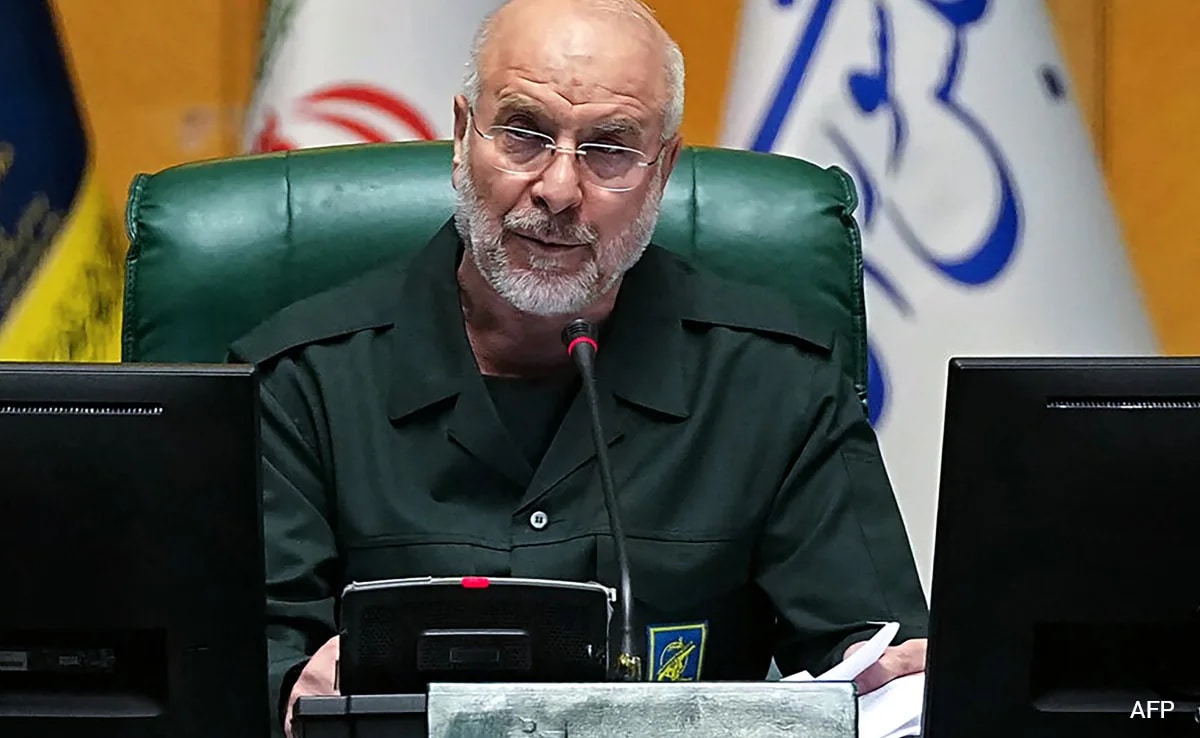
The global energy market is currently held hostage by a high-stakes game of chicken in the Persian Gulf. While Iranian Foreign Minister Abbas Araghchi and U.S. President Donald Trump both spent Friday signaling that the Strait of Hormuz is "completely open" to commercial traffic, the reality on the water is far more volatile. Within hours of the announcement, Iranian Parliament Speaker Mohammad Bagher Ghalibaf issued a blunt correction: the waterway will not remain open if the U.S. naval blockade of Iranian ports continues.
This isn't just a war of words; it is a breakdown of maritime order that has paralyzed one of the world's most vital economic arteries.
Despite the celebratory social media posts from Washington, commercial shipping firms aren't buying the optimism. AIS tracking data reveals a graveyard of intent, with tankers and container ships making abrupt U-turns as they approach Iranian-controlled waters near Larak Island. The reason is simple. Insurance companies and vessel masters know that "open" is a relative term when the Islamic Revolutionary Guard Corps (IRGC) insists that all passage must follow "designated routes" under their specific authorization—routes that shipping industry bodies like Bimco warn may still be littered with sea mines.
The Blockade Trap
The current crisis traces back to February 28, 2026, when an air campaign targeting Iranian infrastructure fundamentally altered the geography of the Gulf. In the aftermath, Iran utilized a four-pronged strategy to strangle shipping: physical attacks via drone boats, land-based anti-ship missiles, satellite spoofing, and the silent threat of moored mines.
The U.S. responded on April 13 with its own naval blockade, directed by CENTCOM. Unlike a total closure, this blockade specifically targets vessels entering or leaving Iranian ports, an attempt to drain Tehran of approximately $400 million in daily revenue. However, by treating the Strait as a tool of economic leverage, both sides have created a "gray zone" where no commercial captain feels safe.
The IRGC's message is clear: if they cannot export their oil, no one else in the Gulf will have a smooth ride. This tit-for-tat logic has effectively turned a 21-mile-wide chokepoint into a toll booth where the currency isn't just money, but political submission.
Energy Markets and the Helium Factor
We are seeing the largest supply disruption in the history of the global oil market. While Brent crude initially spiked toward $120 per barrel, the secondary effects are perhaps more damaging to the long-term global economy.
- Liquefied Natural Gas (LNG): QatarEnergy was forced to declare force majeure on exports. With 20% of global LNG passing through Hormuz, European gas benchmarks nearly doubled.
- The Helium Crisis: An overlooked but critical casualty. The blockade has triggered an unprecedented global helium shortage, threatening high-end medical imaging and semiconductor manufacturing. Since Qatar is a primary producer, the closure of Hormuz has sent helium prices into a vertical climb.
- The Food Emergency: For the Gulf Cooperation Council (GCC) states, this isn't just about oil revenue; it is about survival. These nations rely on the Strait for over 80% of their caloric intake. By mid-March, food import disruptions forced a shift to emergency airlifts, causing staple prices to jump by as much as 120%.
The market is currently pricing in a "protracted uncertainty" premium. Even if the Strait remains technically navigable, the surge in insurance premiums and the necessity of naval escorts—which the U.S. is currently providing primarily for its own interests—mean the cost of doing business in the Gulf has fundamentally shifted.
A Failed Coalition
One of the most striking aspects of this 2026 crisis is the isolation of the American position. While British Prime Minister Keir Starmer and French officials have discussed a multinational mission to safeguard shipping, they have been careful to distance themselves from the U.S. blockade.
European leaders view the blockade of Iranian ports as an act of war, not a policing action. This lack of a unified front has emboldened the IRGC. They see that the "Greatest Global Energy Security Challenge in History," as the IEA calls it, is being managed by a fractured West.
Furthermore, the "shadow fleet" of tankers—vessels with opaque ownership and questionable insurance—continues to try and slip through the net. Some have been struck by drones; others have been seized. This creates a chaotic maritime environment where legitimate shippers like Maersk and CMA CGM prefer to wait in the Gulf of Oman rather than risk a billion-dollar hull and the lives of their crew on a presidential tweet.
The Reality of the "Open" Strait
To understand why the IRGC is winning the psychological war, one must look at the "designated route" they have proposed. It forces ships north, closer to the Iranian coastline and away from the traditional Traffic Separation Scheme (TSS). By funneling traffic through a narrow, IRGC-monitored lane, Tehran maintains the ability to board, inspect, or seize any vessel at a moment's notice.
President Trump’s claim that Iran has agreed to "never close the Strait again" lacks any verification from the ground. In Tehran, the power has shifted toward the military hardliners who view the waterway as their final, most potent shield against the U.S. "transactional" diplomacy.
The standoff is now a battle of endurance. Iran is betting that the global economy will scream under the pressure of $150 oil and empty grocery shelves in the Middle East before their own economy collapses under the weight of the port blockade. The U.S. is betting that the blockade will force a "Big Deal" that ends the nuclear program and the war simultaneously.
Neither side is currently winning. The only certainty is that as long as the IRGC and CENTCOM are staring each other down through binoculars in the narrows, the "open" sign on the Strait of Hormuz is nothing more than a neon lie. Shipping companies should prepare for a semi-permanent state of disruption where the only safe route is the one that avoids the Gulf entirely.