The world woke up on Friday to a headline that felt like a collective exhale: Iran has declared the Strait of Hormuz "completely open." Within minutes, the algorithmic machinery of global finance responded with clinical efficiency. Brent crude, which had been flirting with a catastrophic $120 mark just weeks ago, cratered by nearly 13%, sliding toward $86. West Texas Intermediate followed suit, shedding over $13 in a single session. On the surface, the geopolitical fever has broken.
But for those who have spent decades watching the ebb and flow of Persian Gulf brinkmanship, the sudden plunge in oil prices feels less like a recovery and more like a trap. Learn more on a connected issue: this related article.
The immediate catalyst was a social media post from Iranian Foreign Minister Abbas Araghchi, stating that commercial vessels now have "completely open" passage for the remaining duration of the current ceasefire. This was quickly echoed by upbeat rhetoric from Washington. However, the disconnect between market sentiment and the physical reality on the water is vast. While the spreadsheets show a price collapse, the actual mechanics of global energy transit remain clogged by the residue of a seven-week conflict that nearly broke the back of the global supply chain.
The Logistics of a Ghost Strait
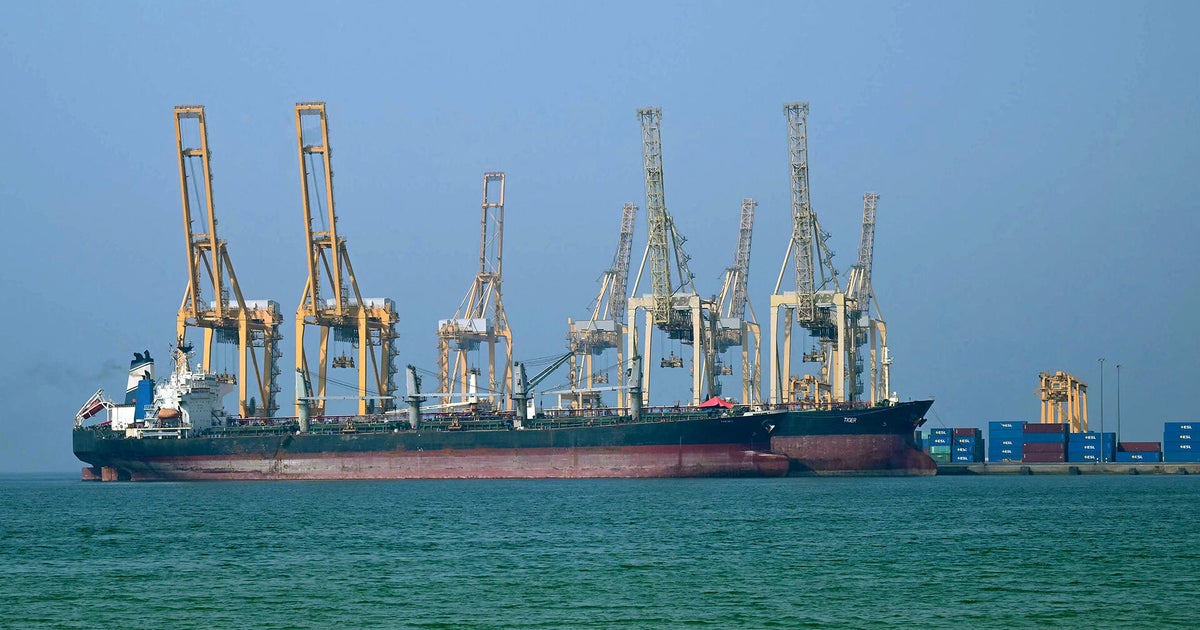
Wall Street traders may be celebrating, but ship owners are not yet ordering their captains to full steam ahead. The Strait of Hormuz is not a highway that stays clean just because someone removes a "Road Closed" sign. More reporting by Reuters Business delves into related perspectives on the subject.
During the height of the recent hostilities, the waterway became a graveyard of maritime certainty. We are currently facing three distinct hurdles that the "plunging" oil price is ignoring:
- The Minefield Problem: President Trump has noted that the U.S. and Iran are cooperating on mine clearance, but this is a slow, grueling process. A single "rogue" mine, whether tethered or drifting, can negate a thousand diplomatic cables.
- The Insurance Tax: Marine insurers do not lower premiums based on a tweet. Until a sustained period of safe transit is established—measured in weeks, not hours—the "war risk" surcharges will continue to eat into the margins of every barrel moved through the Gulf.
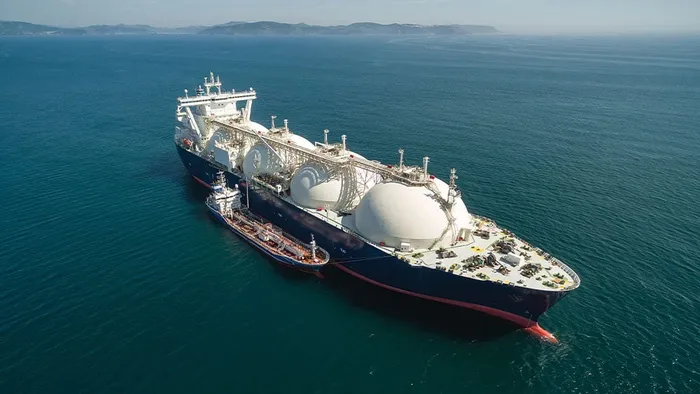
- The Rotterdam Lag: It takes roughly 21 days for a tanker to travel from the Gulf to the major European hubs. Even if the taps are wide open today, the physical scarcity in the North Sea and at the pump will persist through the end of the month.
The market has priced in the hope of a resolution, but it hasn't yet accounted for the friction of a restart.
Why Iran Blinked (For Now)
Tehran’s decision to open the gates isn't a gesture of goodwill; it is a desperate tactical pivot. The U.S. naval blockade of Iranian ports remains in place, a fact the White House was quick to remind the world even as it praised the reopening of the Strait.
Iran found itself in a paradoxical position. By closing the Strait, it successfully drove global prices up, but the blockade ensured it couldn't actually sell its own oil to capitalize on those highs. Meanwhile, the domestic economy was suffocating under the weight of the very volatility it created. By "allowing" the world to trade again, Tehran is attempting to buy leverage in the broader ceasefire negotiations, specifically targeting the lifting of U.S. sanctions.
This is a high-stakes game of energy chicken. Iran is essentially betting that the global hunger for $80 oil will force the West to the negotiating table with a more conciliatory stance. If the U.S. doesn't bite, the "open" status of the Strait remains as fragile as the ceasefire itself.
The Fed and the 2% Ghost
For the Federal Reserve, the timing of this price drop is both a blessing and a nightmare. For months, the specter of "sticky" inflation has been driven by energy costs that refused to settle. The prospect of oil returning to the $80 range has already shifted market bets, with some analysts now predicting interest rate cuts as early as December 2026.
However, the damage of the last two months is already baked into the March and April inflation data. We are looking at a significant miss on the Fed's 2% target for the foreseeable future. The volatility alone has caused "demand destruction" in Asia and the Middle East, with the International Energy Agency reporting a sharp contraction in global oil demand.
A sudden drop in price doesn't instantly repair the broken confidence of manufacturers or the depleted inventories of refiners who have been "scrambling" to find non-Middle Eastern crude at premium rates. They bought high to ensure they had any supply at all; they won't pass on the savings of $86 oil to consumers until those expensive reserves are flushed through the system.
The Multinational Question
One of the most overlooked factors in this reopening is the proposed multinational force led by France and Britain. While Tehran claims the Strait is open, Paris and London are still moving forward with plans for a defensive mission to ensure "freedom of navigation."
This suggests that the Western powers do not trust the Iranian declaration. If a multinational fleet enters the Strait to "supervise" the opening, we risk a new type of friction—a crowded, militarized waterway where a single nervous sonar operator could reignite the conflict.
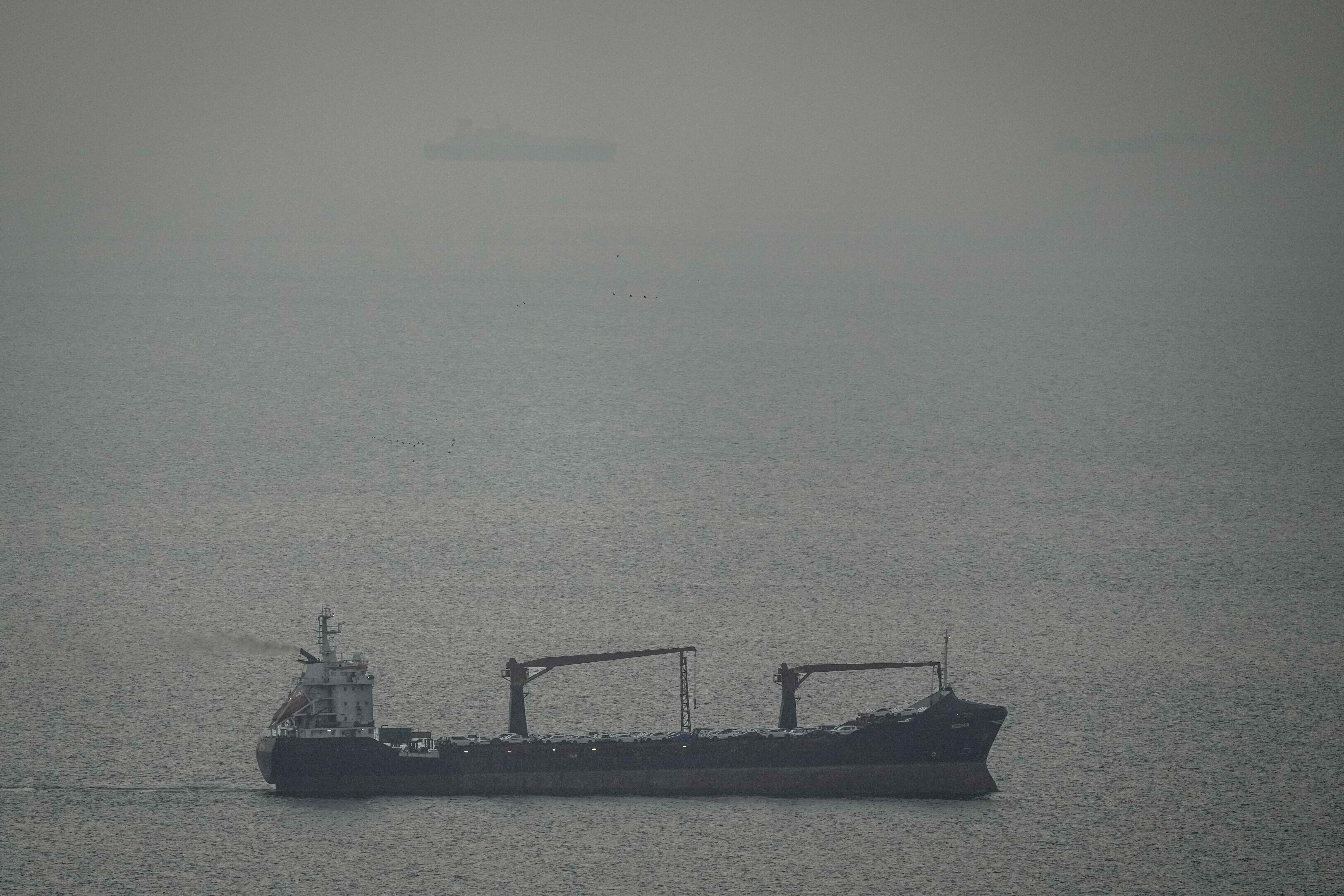
The "plunge" in oil prices assumes a return to the status quo. It assumes the 20 commercial ships that passed through in the last 24 hours are the start of a flood. But the status quo is dead. The Strait of Hormuz has been exposed as a single point of failure that can be toggled on and off at the whim of a regional power or a social media post.
The Empty Tankers of the Future
Investors who are "buying the dip" on the assumption that the Middle East crisis is solved are ignoring the history of the last decade. Every ceasefire in this region carries the seeds of the next escalation.
We are currently seeing a "fear of missing out" (FOMO) rally in the stock markets, with the S&P 500 hitting record highs on the news. This is a dangerous exuberance. The fundamental issues—Iran’s nuclear ambitions, the U.S. blockade, and the proxy wars in Lebanon and Yemen—remain entirely unresolved.
The oil price hasn't "corrected" because the world is safer; it has corrected because the market is exhausted by the premium. The moment the mine-sweeping efforts hit a snag, or a single tanker is "detained" for a technicality, that $13 drop will vanish in an afternoon.
The Strait of Hormuz is technically open, but the psychological blockade of the global energy market remains firmly in place. You cannot price a commodity based on a ceasefire that is being negotiated in real-time via X.
The real test won't be today's price drop. The test will be where the price sits 22 days from now, when those first tankers are supposed to reach Rotterdam, and the world finds out if the "open" Strait was a genuine exit ramp or just a way for Tehran to catch its breath. Stop watching the ticker and start watching the mine-hunters.