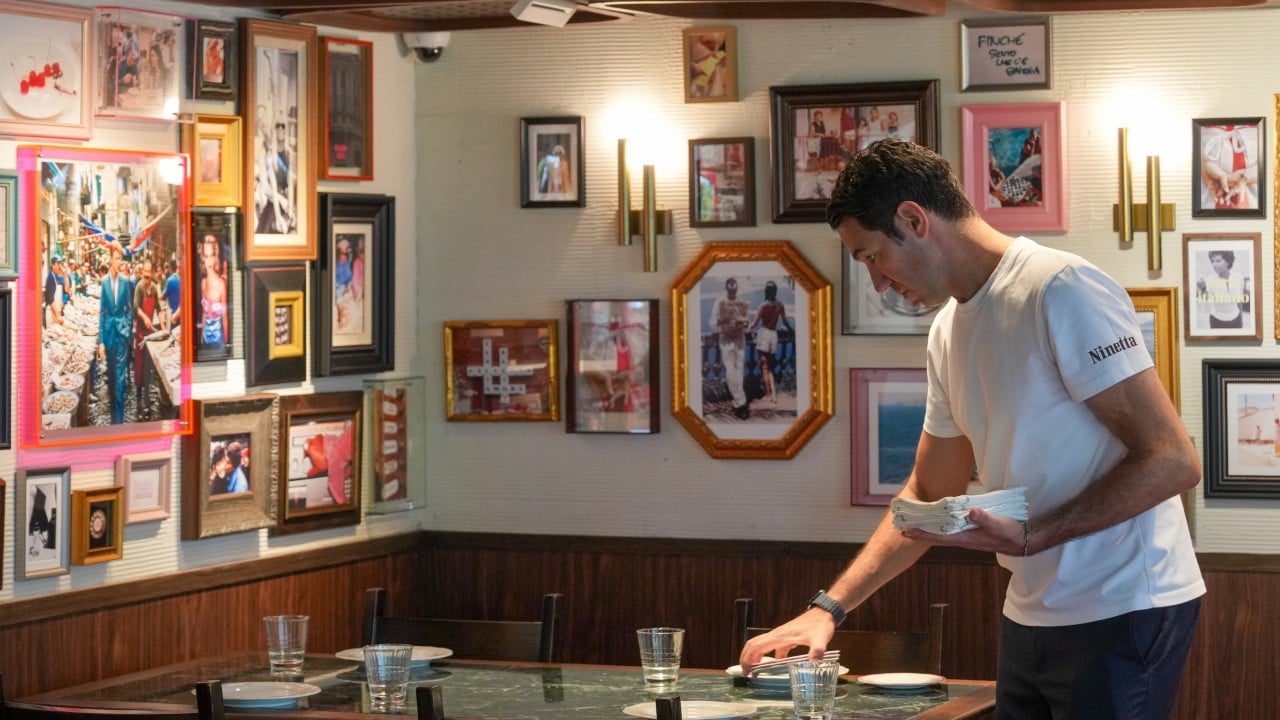
Thousands of residents board northbound trains every weekend, crossing the border into mainland China for cheaper meals, sprawling venues, and unhurried service. Yet, counterintuitively, many prominent Hong Kong bars and restaurants are actively securing more floor space across the city. This divergence reveals a desperate gamble by local operators. They are doubling down on high rents and massive footprints precisely as their customer base shrinks and shifts spending habits north.
The immediate catalyst is straightforward. Shenzhen has emerged as an irresistible weekend magnet for Hong Kong consumers facing a prolonged local economic slowdown. For the price of a modest plate of noodles and a milk tea in Causeway Bay, diners can enjoy a lavish barbecue feast, craft cocktails, and full-service entertainment in modern complexes like Luohu Commercial City or OCT Loft. The high-speed rail and expanded checkpoint capacities have turned a historical border into a revolving door. Weekend foot traffic that once crowded Tsim Sha Tsui or Lan Kwai Fong now flows effortlessly into Guangdong province.
Logic dictates that restaurateurs facing this exodus should downsize. Smaller footprints mean lower overhead, fewer staff to manage, and a tighter operation capable of weathering a drop in top-line revenue. Instead, major hospitality groups are snapping up larger commercial leases, expanding dining rooms, and building multi-concept venues.
Understanding this paradox requires looking past the crowded weekend MTR cars and examining the brutal arithmetic of Hong Kong commercial real estate.
The Commercial Real Estate Trap
Landlords in prime districts are staring at a terrifying vacuum. Corporate tenants have downsized or fled, retail flagships have retreated from high streets, and vacancy rates remain uncomfortably high. Property owners cannot afford to let prime spaces sit dark for months, nor can they maintain historical asking rents without triggering mass defaults.
This environment has created a buyer's market for operators with sufficient capital. Landlords are offering steep rent reductions, longer rent-free fitting periods, and flexible lease structures that were unthinkable a few years ago. A restaurateur who spent a decade constrained by a cramped, expensive two-thousand-square-foot box can suddenly negotiate triple that space for a comparable or lower absolute monthly outlay.
Expansion under these conditions is not a sign of booming demand. It is a calculated defensive maneuver. By securing larger venues at depressed rates, operators position themselves for a long-term rebound while immediately lowering their per-square-foot rent burden.
+------------------------+------------------------------------------+
| Traditional Dynamic    | Current Post-Exodus Reality              |
+------------------------+------------------------------------------+
| High rents per foot    | Depressed base rents, aggressive landlords|
| Small, efficient boxes | Expansive multi-concept footprints       |
| Captive local audience | Competes with cross-border Shenzhen pull |
| Stable weekend volume  | Fragmented consumer spending             |
+------------------------+------------------------------------------+
Chasing the High-End Holdout
Not everyone is packing bags for Shenzhen. While middle-class families and budget-conscious diners embrace mainland weekends, a distinct demographic remains anchored in Hong Kong: corporate executives, high-net-worth individuals, and tourists who prioritize convenience and prestige over absolute value.
This resilient segment does not want a cramped bistro. They expect atmosphere, breathing room, privacy, and theatrical dining experiences. Restaurants expanding their floor space are betting heavily on this crowd. They are building sprawling dining rooms designed not just for eating, but for lingering. They incorporate private dining suites, integrated cocktail lounges, and open-kitchen spectacles that justify premium price tags.
A smaller venue cannot pivot toward experiential dining. If a restaurant only seats forty people, every table must turn rapidly to generate margin, creating a rushed, transactional environment that alienates high-spending patrons. A sprawling venue allows operators to curate a night out, transforming a simple dinner into a multi-hour destination experience.
The Labor Conundrum in Sprawling Venues
Expanding floor space while the local labor market remains structurally constrained introduces severe operational friction. Hong Kong faces a persistent shortage of front-of-house staff, kitchen talent, and managerial professionals. Immigration policies governing imported labor have offered marginal relief, but bureaucratic hurdles and strict quotas prevent operators from adequately staffing massive new locations.
Opening a larger restaurant requires solving a complex logistical puzzle with fewer hands. Operators are forced to invest heavily in automation and streamlined workflows. QR code ordering, mobile payment terminals, robotic food runners, and centralized prep kitchens are no longer experimental gadgets. They are survival mechanisms required to keep a five-thousand-square-foot establishment running with a skeleton crew.
This shift changes the character of hospitality. When service becomes heavily mechanized to offset labor shortages, the human warmth that once defined elite dining rooms begins to erode. Customers paying high-end prices in newly expanded venues frequently encounter transactional, impersonal service, compounding their temptation to simply take the train north where personal service remains abundant and inexpensive.
Financial Exposure and the Margin of Error
Taking on massive floor space in a volatile market is a high-stakes gamble with very little margin for error. Even with discounted rents, fixed overhead costs for a large venue scale rapidly. Electricity, air conditioning, insurance, and maintenance on a sprawling commercial property consume massive amounts of capital every single month.
If consumer migration to Shenzhen accelerates or if the local economic climate deteriorates further, these expanded footprints will transform into financial anchors dragging operators toward insolvency. A small restaurant can often trim its hours, lay off a couple of staff members, and ride out a slow quarter. A massive multi-zone venue cannot easily dial down its operational footprint without ruining the atmosphere that justified its expansion in the first place.
The media often portrays these expansions as bold stamps of confidence in Hong Kong's future. Conversations with mid-level managers and independent operators paint a far grittier picture. Many are running on thin margins, hoping that scale will protect them from rising wholesale food costs and falling customer frequency. They are building bigger ships not because the seas are calm, but because they believe a larger vessel is the only one capable of surviving the storm.
The next twelve months will test the limits of this strategy. Landlords may hold the line on discounted rents today, but lease renewals arrive quickly. If the cross-border shopping and dining habit solidifies into a permanent lifestyle change for millions of residents, those expansive new dining rooms will stand remarkably quiet, serving as expensive monuments to a miscalculated bet on urban endurance.