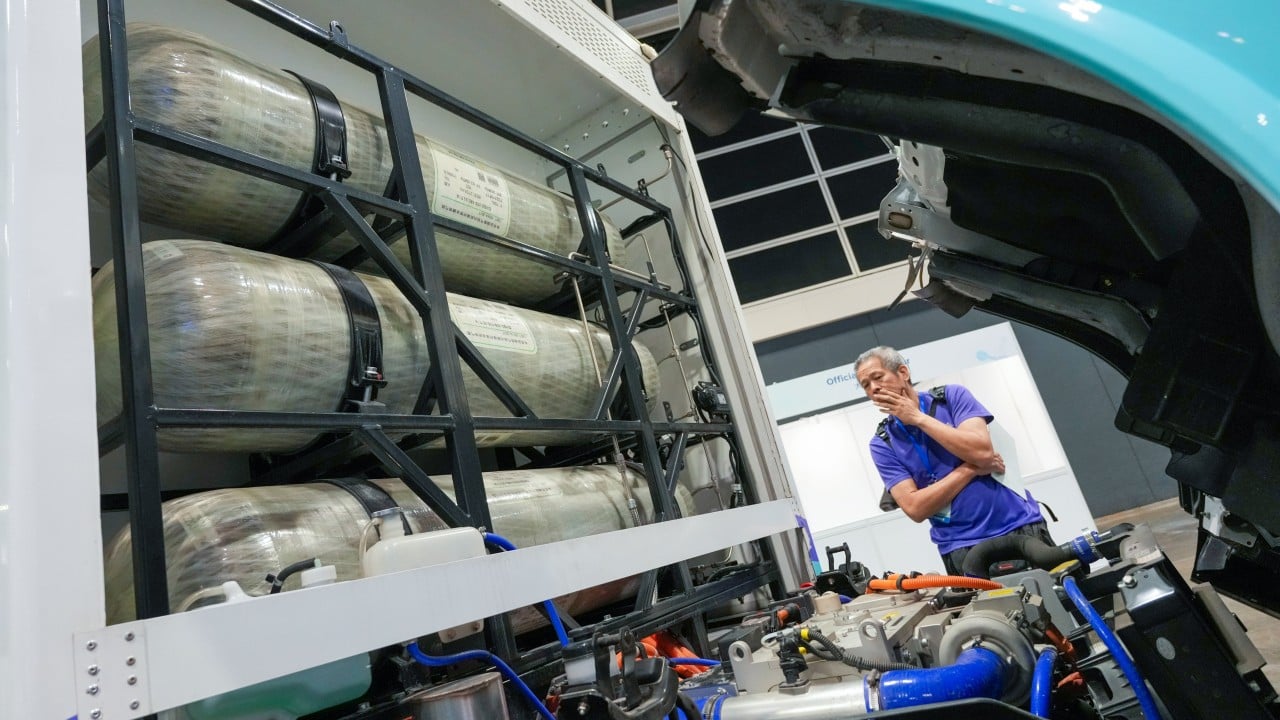
Hong Kong cannot achieve its goal of halving carbon emissions by 2035 and reaching net-zero by 2050 through battery electrification alone. The city has 7,500 high-rise buildings and an urban density that suffocates conventional green infrastructure, making a massive shift toward hydrogen energy an absolute necessity for heavy transport, maritime shipping, and construction operations.
Local think tanks and policy groups are pushing the government to move faster, particularly as China drafts its 15th Five-Year Plan. However, moving a highly volatile gas through one of the most densely populated places on earth presents structural, legal, and economic hurdles that soft policy recommendations frequently ignore.
The Realities of a Vertically Built Territory
Most global hydrogen frameworks are built for vast landscapes. They rely on sprawling open-air storage fields, long-distance pipelines across flat terrain, and massive industrial zones far from residential centers.
Hong Kong possesses none of these luxuries.
Commercial buildings and residential towers consume 90% of the city's electricity. While light passenger vehicles can transition to battery electric power via the existing grid, the commercial transport sector presents a different problem entirely.
Double-decker buses, heavy goods vehicles, and the cross-boundary logistics fleet require continuous, high-torque operation. They cannot afford the long downtime required by battery charging, nor can the local power grid easily handle thousands of heavy-duty fast-charging stations without massive upgrades to urban substations.
The government introduced its initial Strategy of Hydrogen Development in mid-2024, focusing on a cautious rollout. The policy path advanced when authorities updated the Gas Safety Ordinance, legally defining regulated hydrogen used as fuel.
While this creates a basic legislative foundation, it also highlights the core conflict. The city is attempting to squeeze a hazardous, highly flammable compressed gas into a hyper-dense urban fabric where a single storage incident could cause severe damage.
The Importation and Logistics Bottleneck
Hong Kong produces almost no local energy. The current plan relies heavily on importing hydrogen from the Chinese mainland, specifically through the developing Greater Bay Area Hydrogen Corridor.
This presents an immense logistics bottleneck.
- Customs and Inspection Delays: Cross-boundary trucking is already subject to strict regulatory oversight. Transporting compressed or liquefied hydrogen requires specialized vehicles that face prolonged clearance times at the border, disrupting the precise timelines required for fuel logistics.
- The Tuen Mun Problem: Land routes from Shenzhen and Guangdong province funnel hazardous materials through specific corridors. Any incident on these highly congested arteries could paralyze local logistics.
- Storage Limitations: Land premium prices in Hong Kong are among the highest in the world. Building dedicated hydrogen storage depots near urban centers is cost-prohibitive and politically sensitive for nearby residents.
Local authorities are running nearly three dozen active trial projects, including hydrogen-powered double-decker buses, street-washing vehicles, and off-grid construction site generators. These projects are useful for gathering data, but they operate under heavily controlled, subsidized conditions.
Scaling these trials into a self-sustaining commercial market requires infrastructure that the private sector is currently unwilling to fund alone.
The Subsidized Illusion of Cheap Grey Hydrogen
To kickstart the transition, the government allows the use of cheaper grey hydrogen, which is manufactured from fossil fuels via steam methane reforming.
This creates a clear contradiction.
Using grey hydrogen simply shifts carbon emissions from local exhaust pipes back to mainland petrochemical plants. It does nothing to lower aggregate greenhouse gas levels.
The transition to green hydrogen—produced via water electrolysis powered entirely by renewable energy—remains economically unviable for local fleet operators. Green hydrogen currently carries a massive price premium over conventional diesel and grey hydrogen. Without long-term government price guarantees or direct carbon taxation, commercial logistics firms will not willingly adopt it.
+-----------------------------------------------------------------+
|               The Hydrogen Carbon Spectrum                      |
+-------------------+---------------------------------------------+
| Fuel Type         | Production Method / Environmental Impact    |
+-------------------+---------------------------------------------+
| Grey Hydrogen     | Extracted from fossil fuels. High carbon    |
|                   | footprint, currently used for local trials. |
+-------------------+---------------------------------------------+
| Blue Hydrogen     | Produced from fossil fuels but utilizes     |
|                   | carbon capture. Transitional option.        |
+-------------------+---------------------------------------------+
| Green Hydrogen    | Electrolysis powered by renewables. Zero    |
|                   | emissions, but economically unviable today. |
+-------------------+---------------------------------------------+
The Hong Kong Monetary Authority recently expanded its Sustainable Finance Taxonomy to include green and low-carbon hydrogen. This looks good on paper, but green financing frameworks only work when there are bankable projects to fund.
A local logistics company operating fifty heavy trucks cannot secure a sustainable loan for a vehicle fleet if the underlying refueling infrastructure does not exist, and if the cost of green fuel erodes their operating margins.
Pipeline Integration and Safety Engineering
One proposed solution to avoid cross-border trucking bottlenecks is blending hydrogen directly into the city's existing coal gas pipeline network.
This approach introduces significant engineering challenges.
Hydrogen molecules are exceptionally small. They can easily penetrate the molecular structure of conventional steel pipes, leading to a phenomenon known as hydrogen embrittlement.
Over time, this process weakens infrastructure, creating micro-cracks and increasing the risk of catastrophic leaks. Blending hydrogen into existing municipal gas networks requires extensive retrofitting of compression stations, valves, and monitoring systems, a capital-intensive process that will ultimately be paid for by local utility consumers.
Furthermore, hydrogen possesses a much wider flammability range and lower ignition energy than natural gas or town gas. In a city where utility pipelines run beneath highly congested streets and directly inside high-rise concrete structures, even minor leaks in unventilated spaces create a significant risk of explosion.
The Electrical and Mechanical Services Department is currently drafting subsidiary legislation to govern the entire supply chain, with negative vetting scheduled for late 2026. This legal framework must balance strict safety protocols with the operational flexibility that commercial operators need to survive.
The Maritime and Port Dilemma
Hong Kong remains one of the world's busiest container ports. The maritime sector is under intense international pressure to decarbonize, and hydrogen derivatives like green ammonia and methanol are leading candidates to replace heavy fuel oil.
However, the local port infrastructure is completely unprepared for this shift.
Refueling a single modern container ship requires vast quantities of alternative fuel. The land-constrained Kwai Tsing Container Terminals have no space to build large-scale ammonia or liquid hydrogen storage tanks.
If the city cannot provide reliable clean bunkering capabilities, international shipping lines will simply bypass the port in favor of regional competitors like Shenzhen, Singapore, or Shanghai, all of which are investing heavily in maritime alternative fuel infrastructure.
A Pragmatic Path Forward
The path forward requires moving away from small-scale pilot programs and focusing on structural realities.
First, the government must establish an independent Energy Steering Committee with direct budgetary authority to bypass the bureaucratic silos that currently separate transportation, environmental protection, and urban planning departments.
Second, the city must leverage its proximity to the mainland to secure direct, long-term supply agreements for green hydrogen via dedicated sea transport or specialized border corridors.
Relying on local production methods, such as extracting hydrogen from municipal landfill biogas, provides useful localized solutions for remote construction sites but cannot satisfy the massive demands of the broader transport sector.
Finally, the administration must introduce a clear, long-term carbon pricing mechanism.
Subsidizing trial buses looks good in government press releases, but it does not create a functional market. Commercial operators will only invest in hydrogen technology when the cost of emitting carbon exceeds the premium of buying green hydrogen.
Until the economic incentives align, the city's hydrogen strategy will remain a collection of well-engineered experiments rather than a true driver of carbon neutrality.