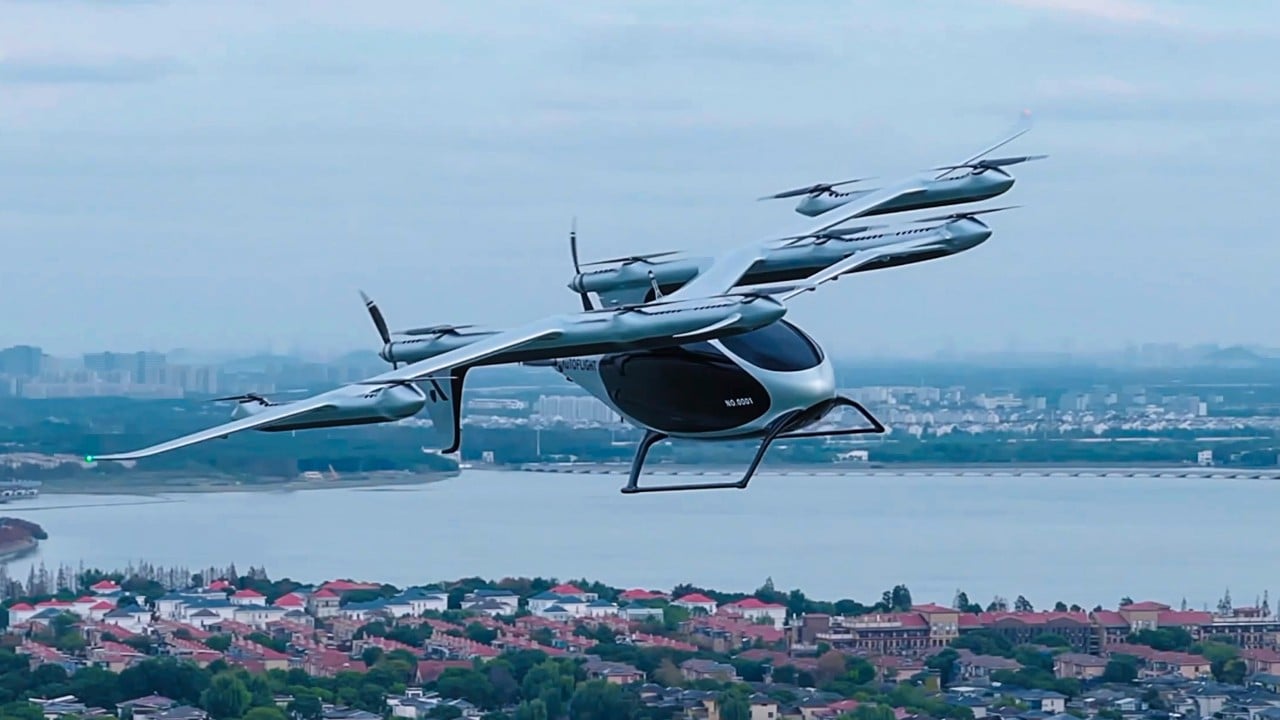
Hong Kong is about to turn its skies into a delivery highway. Within the next six months, the city will begin testing its first autonomous flying cars designed to carry heavy cargo. If you think this is just another sci-fi gimmick for tech billionaires, you're looking at it the wrong way. This isn't about flying people to work. It’s about moving tons of freight across one of the most densely populated, vertically stacked cities on earth without touching the gridlocked streets below.
The government is fast-tracking trials for these massive uncrewed aerial vehicles. Local transport authorities want to see if heavy-lift drones can reliably shift goods between the city's container ports, airports, and urban hubs. It's a pragmatic approach. While western companies obsess over passenger air taxis, Hong Kong realizes that moving boxes is easier, safer, and far more profitable right now.
You can't understand this move without looking at Hong Kong's unique geography. The city is a bottleneck of narrow roads, steep hills, and water channels. Trucking goods a few miles can take hours during peak times. By taking to the air, logistics firms can bypass traffic entirely. The economic incentives are too massive to ignore.
The Reality of Heavy Lift Aerial Logistics
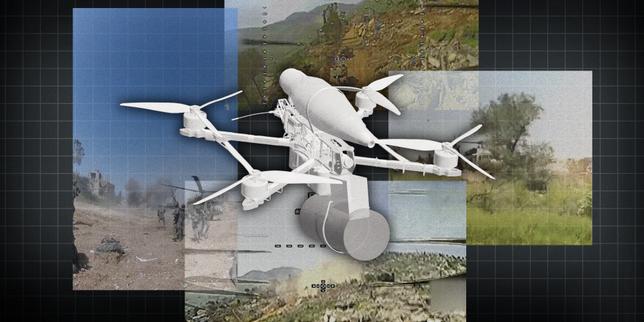
Let's clear up a common misconception. These aren't the hobbyist drones you see at the park. We are talking about industrial-grade autonomous aircraft. These machines are built to lift payloads ranging from 200 kilograms to over half a metric ton. They rely on multi-rotor electric propulsion systems, meaning they can take off and land vertically from existing rooftops or shipping docks.
The initial six-month testing phase focuses on specific, high-value supply chains. Think urgent medical supplies, electronics, and time-sensitive e-commerce freight. Moving these goods via traditional vans is slow. Flying them takes minutes.
The Civil Aviation Department is working alongside local tech consortiums to map out low-altitude airspace corridors. They aren't letting these machines fly anywhere they want. The trials will happen along strictly designated routes, mostly over water channels and industrial zones, to minimize risks to the public. If a motor fails over the harbor, it's a minor salvage operation. If it fails over Mong Kok, it's a catastrophe.
Safety Challenges the Industry Reluctantly Admits
Everyone loves talking about the speed of flying cars, but the engineering hurdles are terrifying. Hong Kong has some of the most challenging urban aerodynamics in the world. High-rise buildings create unpredictable wind tunnels and severe microbursts. A heavy cargo drone carrying 300 kilos of freight needs incredibly sophisticated flight control software to stay stable when passing between skyscrapers.
Battery density is another bottleneck. Lithium-ion batteries are heavy. The more weight you try to lift, the more power you consume, which shortens your operational range. Right now, most heavy cargo drones max out at flight times of around 30 to 45 minutes when fully loaded. That is plenty for a cross-harbor sprint, but it leaves very little margin for error if an aircraft has to hover while waiting for a landing pad to clear.
Then there is the noise pollution. Eight or twelve massive rotors spinning at high speeds generate a brutal, high-pitched whine. Even if these vehicles operate mostly over industrial ports, the sound will carry. Government regulators are forcing manufacturers to redesign rotor blades to lower the acoustic footprint, but you can't push that much air quietly. It is a simple physics problem.
Setting Up the Infrastructure for Urban Air Corridors
You can't just buy a flying car and start delivering packages. The success of this pilot program depends entirely on ground infrastructure and digital tracking networks. Hong Kong is looking to repurpose the roofs of industrial buildings and multi-story parking garages into automated vertiports.
These vertiports require high-output charging stations that can juice up an aircraft in under twenty minutes. They also need robotic cargo loading systems. Human workers shouldn't be dodging spinning carbon-fiber blades to strap down a pallet.
On the digital side, the city is testing a localized Unmanned Traffic Management system. Think of it as an automated air traffic control network run by algorithms. When dozens of heavy cargo drones are cruising at 400 feet, they need to communicate with each other in real-time to prevent mid-air collisions. The system must also account for police helicopters, medical flights, and sudden weather changes.
How This Rewrites the Rules of Global Trade
Logistics companies are watching these trials with intense focus. Companies like DHL and FedEx have spent years trying to optimize the last mile of delivery. In a vertical city like Hong Kong, that last mile is actually a last vertical mile. Getting a package from a sorting center to the 50th floor of a commercial tower is incredibly inefficient.
If these heavy cargo tests succeed, it will fundamentally change how warehouses are designed. Instead of sprawling suburban fulfillment centers near highway off-ramps, we will see vertical warehouses with rooftop flight decks. Goods arriving at the Port of Hong Kong could be flown directly to distribution hubs across the city within minutes of unloading from a container ship.
This shifts the competitive landscape. Logistics firms that embrace aerial freight early will offer delivery speeds that traditional trucking companies simply cannot match. It will force a massive reassessment of commercial real estate values, making properties with clear airspace access far more valuable than those stuck at street level.
Your Strategic Roadmap for the New Aerial Economy
If your business relies on moving physical goods through major urban centers, you need to prepare for this transition before the regulations fully codify. Waiting until flying cars are a daily sight means you are already too late.
Audit your current supply chain bottlenecks to identify where air transport makes financial sense. Calculate the exact cost of your delivery delays caused by ground traffic. If that number is high, you are a prime candidate for early adoption.
Evaluate your corporate real estate assets for vertical compatibility. Look at your warehouse and office rooftops. Determine if they can support the weight of industrial landing pads and the electrical infrastructure required for high-capacity charging.
Begin conversations with local aviation regulatory consultants. Understanding air rights, low-altitude zoning laws, and municipal noise ordinances will save you millions in wasted technology investments. The future of freight is moving upward, and the companies positioning themselves on the rooftops today will dominate the markets of tomorrow.