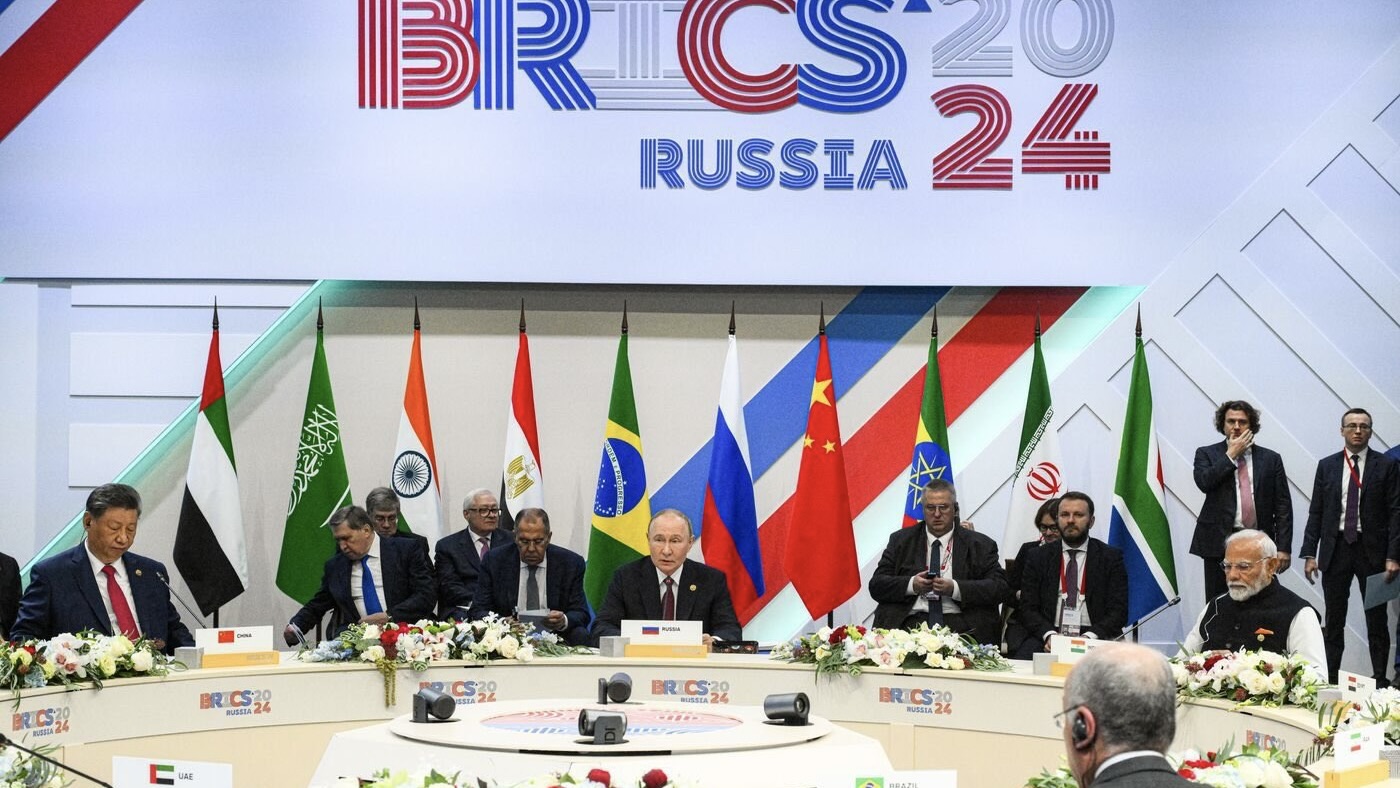
Emergency preparedness rhetoric sounds impressive from a podium. When World Health Organization Director-General Tedros Adhanom Ghebreyesus stood before BRICS leaders to demand immediate investments in medical resilience, the applause was polite and predictable. Behind closed doors, however, the structural reality remains grim. Global health architecture is chronically underfunded, politically fractured, and structurally incapable of handling the next major pathogen or supply chain collapse.
Global health security depends entirely on continuous funding and sovereign cooperation. Yet, major economic blocs frequently prioritize domestic political expediency over international burden-sharing. When Tedros addressed the BRICS summit, he highlighted a persistent vulnerability: low-income and middle-income nations shoulder the heaviest burden during global health crises because critical manufacturing capacity sits almost exclusively in wealthy Western states.
Consider the distribution of vaccine manufacturing infrastructure during the recent global pandemic. Developing nations faced months of severe delays while wealthy purchasing blocs locked down bilateral contracts for billions of doses. BRICS nations attempted to counter this imbalance through various local manufacturing initiatives, but supply bottlenecks, intellectual property disputes, and technological transfer barriers exposed the fragility of the entire system.
Building real protection requires confronting structural inequities that powerful nations prefer to ignore. It is not merely a matter of storing masks in a warehouse or updating emergency response protocols. True medical self-reliance demands sustained domestic capital allocation for basic research, reliable regional supply chains, and transparent regulatory frameworks that survive political shifts.
The political will to fund these measures evaporates the moment an acute crisis subsides. National budgets squeeze public health spending as soon as infection rates drop, redirecting capital toward short-term economic stimuli or defense procurement. This cyclical amnesia guarantees that every emerging pathogen catches public health agencies understaffed, underfinanced, and entirely reactive.
International institutions like the WHO lack enforcement mechanisms. They rely on the voluntary compliance and financial generosity of member states that frequently weaponize aid contributions for diplomatic leverage. When powerful governments threaten to withhold funding over bureaucratic disagreements, global oversight stalls completely.
Regional blocs like BRICS possess the combined economic power to rewrite these dynamics, provided they stop treating health infrastructure as an afterthought. Creating functional medical countermeasure networks means pooling capital, sharing proprietary biotechnology research, and establishing binding regional supply agreements before the next outbreak occurs.
Until governments treat biological threats with the same urgency as military defense, speeches about resilience remain empty theater. The next public health catastrophe will not wait for bureaucratic consensus.