Every time a prestigious university steps in it, the reflex is the same. Panic, draft a press release, and throw seven figures at a high-profile former government official to conduct an independent review. It looks rigorous. It feels serious. It is entirely designed to protect the brand, not the students.
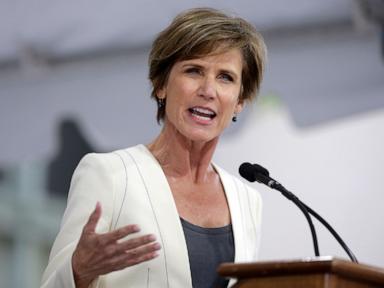
Cornell hiring former Deputy Attorney General Sally Yates to audit its handling of sexual assault claims follows this exact playbook. The lazy consensus in mainstream media hails this as a bold step toward accountability. Bring in the heavy hitter from King and Spalding, let her comb through the wreckage, publish a heavily redacted report six months from now, and watch the institutional guilt wash away.
Except it is a masterclass in deflection.
I have watched institutions use this exact strategy for decades. When the spotlight burns too hot, you outsource your conscience to a high-priced attorney whose primary loyalty is to the board that signs her retainer. Yates is a formidable legal mind, but her entire career has been forged in the crucible of government enforcement and corporate defense. Asking a corporate crisis lawyer to fix a cultural failure on a college campus is like calling a demolition crew to fix a plumbing leak. You get a lot of noise, a massive bill, and the pipes are still broken.
The Bureaucratic Loophole Industry
The core misconception fueling these institutional reviews is that misconduct on campus persists because of a lack of proper policies or investigative procedures. University administrators love this narrative because it turns a moral and cultural crisis into a paperwork problem.
If only we had a tighter flowchart, they whisper, the predators would vanish.
This is garbage. Cornell does not suffer from a deficit of Title IX compliance officers or procedural guidelines. The university operates an entire bureaucratic apparatus dedicated to risk mitigation. The breakdown happens precisely because that apparatus treats student safety as a legal liability to be managed rather than a human crisis to be solved.
When an institution delegates its internal reckoning to an outside legal investigator, it signals to every administrator on campus that the primary objective is shielding the endowment from litigation. The investigators look for procedural missteps, crossed t-lines, and dotted i-regulations. They do not look at the toxic incentives embedded in Greek life, the systemic indifference of tenured faculty who protect cash-cow researchers, or the administrative bloat that insulates deans from the reality on the ground.
By framing the issue as an investigation into specific past failures, Cornell avoids confronting the structural architecture that allowed those failures to occur in the first place.
Follow the Incentives
Let us look at how these internal investigations actually play out behind closed doors.
An independent counsel arrives with a team of associates billing by the hour. They request documents, interview terrified students, and interrogate middle-management staffers who know their jobs depend on keeping their answers safe. Months pass. The news cycle moves on. By the time the final report drops, public outrage has cooled and the initial donors have stopped calling.
The report will undoubtedly contain sternly worded critiques. It will identify administrative missteps, suggest new oversight committees, and recommend additional training modules. Everyone will nod solemnly. The president will issue a statement about moving forward.
Nothing changes because the incentives remain untouched.
Universities function as risk-averse corporations wrapped in ivy. Deans are graded on retention rates, fundraising milestones, and liability minimization. When a report lands blaming systemic cultural rot, it threatens the brand. When a report blames bureaucratic oversight lapses, you simply hire more compliance officers, patch the hole in the boat, and keep sailing.
Sally Yates will deliver a professional, defensible legal product. It will be thorough enough to satisfy alumni anxious about the stock of their degrees, but toothless enough to prevent any actual structural dismantling of the university's sacred cows.
The Alternative Nobody Wants
If Cornell genuinely wanted to fix its handling of assault claims, it would not write a blank check to a white-collar defense partner. It would decentralize power away from the central administration and hand real, binding authority to independent, student-led restorative justice councils backed by external ombudsmen who answer to no one on the payroll.
It would strip the university counsel's office of its veto power over student discipline. It would tie administrative bonuses directly to transparency metrics rather than PR containment.
None of that will happen.
Instead, the board gets its expensive peace of mind, the media gets its headline about a former Justice Department official stepping in, and the underlying machinery of institutional self-preservation grinds on uninterrupted.
Stop pretending corporate law firms can perform exorcisms on broken campus cultures. They are only there to write the obituary for your expectations.

