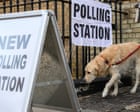
Elections are rarely won in the abstract realm of geopolitics. They are won at the pump, at the grocery store, and in the quiet panic families feel when looking at their monthly credit card statements. When voters went to the polls for the 2026 midterms, they sent a resounding message to Washington. The ongoing military conflict with Iran and its immediate consequence—skyrocketing fuel costs—became an unbearable weight for everyday Americans.
Donald Trump openly admitted that the electoral blowout came down to a simple voter calculation. While a significant portion of the electorate supported a hardline stance against Tehran, they simply weren't willing to stomach paying record prices for gasoline. When a gallon of gas breaches national records and diesel climbs past six dollars, long-term strategic goals take a backseat to immediate survival.
The Economics Behind the Electoral Backlash
Before military operations began, gasoline prices in states like Iowa had hovered near attractive lows. Voters had grown accustomed to cheap energy, a cornerstone of consumer confidence. Once the conflict escalated and the Strait of Hormuz faced severe disruptions, roughly a fifth of the world's daily oil and gas transit was effectively choked off.
The math caught up with Republican incumbents fast. Vulnerable House and Senate members found themselves defending a war that was making basic transportation exponentially harder for their constituents. You can talk about national security objectives all day long, but when a delivery driver or a suburban commuter watches their fuel expenses double in a matter of months, ideology cracks under financial pressure.
The political fallout was swift. Democrats seized control of both chambers of Congress, turning the midterm cycle into a referendum on the economic pain caused by the administration's foreign policy choices. Trump later argued that history would judge him favorably for confronting Iran, maintaining that short-term pain was necessary for long-term safety. Yet, that historical perspective didn't save Republican majorities from a bruising defeat at the ballot box.
Strategic Miscalculations and the Post-Election Reality
Pre-midterm reports had swirled with speculation that the Pentagon presented the White House with options for fresh strikes right before voting day. The temptation to project strength and keep adversaries off balance is a classic playbook move. But military posturing rarely lowers domestic inflation.
The reality is that foreign entanglements carry severe domestic blowback when energy infrastructure gets caught in the crossfire. Even as crude prices dipped slightly following the election shock, the structural damage to the party's legislative agenda was already done. Divided government now replaces a unified agenda, forcing the executive branch to navigate a hostile congressional landscape for the remainder of the term.
If there is a clear takeaway from this cycle, it's that foreign policy cannot be decoupled from domestic wallets. Leaders who ignore the immediate cost of living do so at their own peril, regardless of how righteous their geopolitical ambitions might be.