Planes are packed. Revenue is hitting record highs. Yet, airlines are still feeling the financial pinch.
Air Canada just dropped its second-quarter earnings report, and the numbers reveal a brutal paradox. Passenger demand is strong. People want to fly. But soaring jet fuel expenses have spiked a massive 49 percent compared to last year, turning high ticket sales into a net loss of $178 million for the quarter.
If you think a full plane automatically means a profitable airline, you're missing the hidden economic pressures squeezing the aviation sector right now. Let's break down what's actually happening behind the scenes.
The Fuel Price Shock
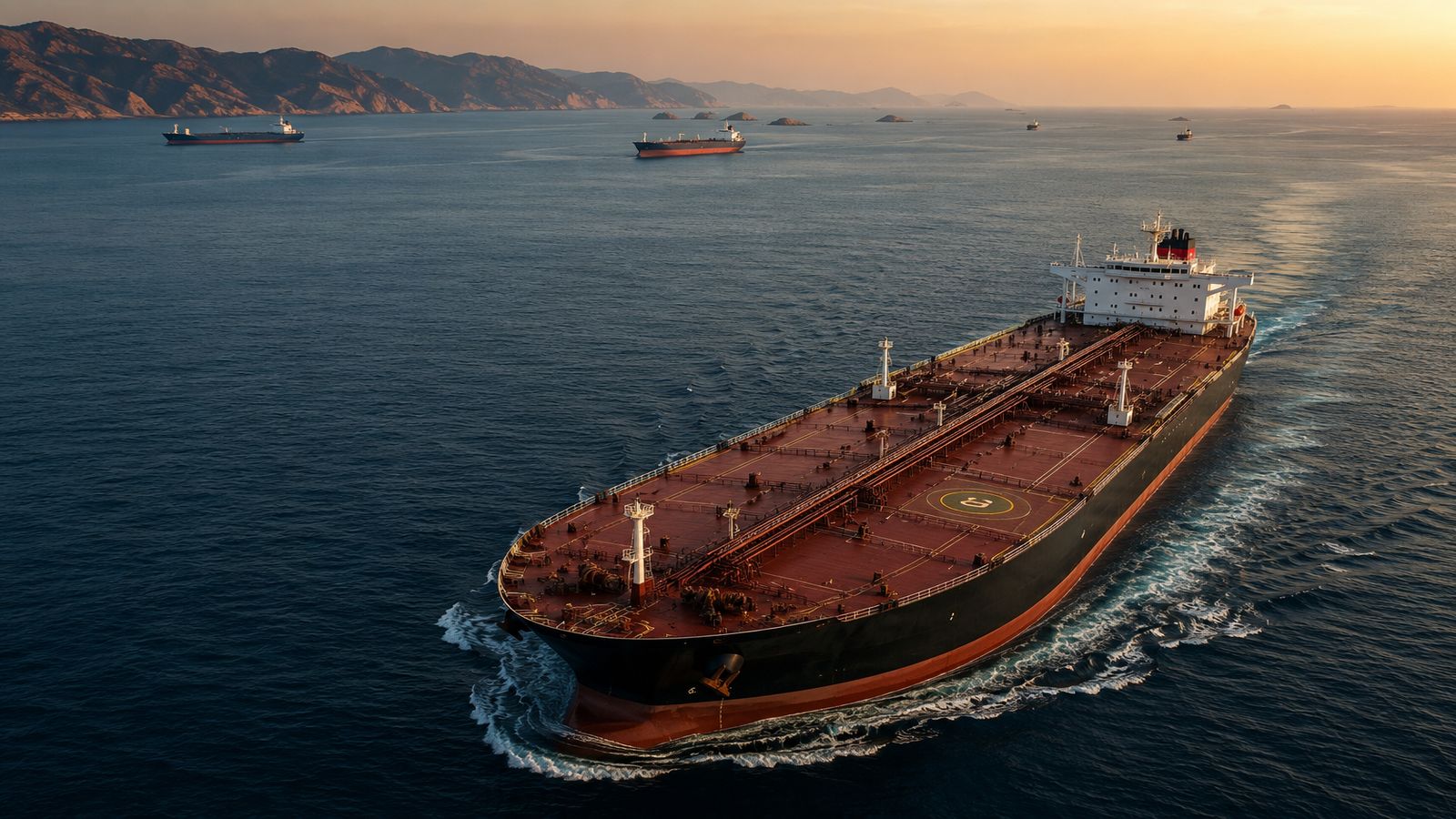
Global fuel prices didn't climb by accident. Ongoing geopolitical conflicts and tight international shipping routes have heavily restricted crude oil supplies, driving the cost of refined jet fuel through the roof.
During the three months leading up to June 30, Air Canada's fuel bill hit just over $1.7 billion. That is a steep jump from the nearly $1.15 billion spent during the exact same period a year earlier.
Chief Financial Officer John Di Bert pointed out a harsh reality during the carrier's investor call. The airline bought fuel at inflated prices to service tickets that were already sold before the conflict-driven price spikes hit. That mismatch created an estimated $500 million to $600 million headwind that couldn't be easily recovered.
Record Revenue Versus Real Losses
People are traveling in droves. Air Canada pulled in record second-quarter operating revenues of $6.266 billion, beating out last year's $5.632 billion. Premium and corporate travel remain resilient, and network demand is holding steady.
So why did the company post a net loss?
Aside from the 49 percent jump in fuel expenses, the airline dealt with $388 million in labour-related and other operational charges. Operating expenses simply outpaced earnings, totaling $6.481 billion for the quarter.
Even though adjusted EBITDA reached $719 million at the top end of their guidance range, the bottom line took a direct hit.
Lowered Full-Year Expectations
Because fuel volatility and supply restrictions aren't disappearing overnight, Air Canada updated its financial projections for the remainder of the year.
The carrier reinstated its full-year guidance after suspending it back in the spring. However, the expectations are lower than previous estimates. Adjusted earnings before taxes and other costs are now expected to sit between $2.9 billion and $3.2 billion for the full year, a drop from the older forecast of up to $3.75 billion.
Management expects jet fuel to average roughly C$1.38 per litre in the third quarter and C$1.29 per litre in the fourth quarter. Those prices are significantly higher than the initial baseline estimates heading into the year.
Unlocking Cash Through Aeroplan
To strengthen the balance sheet and navigate these cost pressures, Air Canada made a major move regarding its loyalty division.
The airline announced plans to sell a 25 percent investment stake in its Aeroplan program to Blackstone and La Caisse for $2.5 billion. Air Canada keeps the remaining 75 percent, along with total operational control.
CEO Michael Rousseau assured travelers that the transaction won't change how members earn or burn points. The move is designed purely to inject cash, reduce financial strain, and push the company toward an investment-grade credit rating in the midterm.
Keep an eye on how airlines adjust ticket pricing and route capacities for the upcoming seasons. High operational costs always trickle down to the consumer eventually.