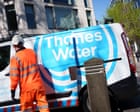
Think the government can just seize Thames Water and wash its hands of the private sector? Think again. The battle for the UK’s largest water utility is turning into an aggressive game of financial chicken, and the heavy-hitting creditors holding the debt aren't planning to walk away.
Even if incoming Prime Minister Andy Burnham triggers the Special Administration Regime (SAR)—a polite term for temporary nationalisation—the current lenders are already planning to bid for the company to buy it right back. The corporate wrestling match proves that once vital infrastructure is financialised, untangling it from global capital is messy, expensive, and rarely goes according to plan.
The Ten Billion Pound Standby Plan
The London & Valley Water consortium, a powerful group of over 100 institutional investors holding around £14bn of Thames Water’s senior debt, isn't backing down. This group includes names like Elliott Investment Management, Apollo Global Management, and BlackRock. They’ve spent months pitching a rescue proposal to inject £3.35bn of new equity and £3.25bn of fresh debt into the buckling utility, which is currently suffocating under a total debt pile of nearly £20bn.
But Environment Secretary Emma Reynolds recently rejected that proposal. She argued the deal placed an "undue burden" on consumers and didn't do enough to protect the environment. The rejection pushed the company closer to running out of money, a crisis point expected to hit by October.
If you think a government rejection forces these funds to pack up, you don't understand how distressed-debt investing works. To these firms, temporary nationalisation is just another phase of the negotiation. If the government triggers the SAR, an independent insolvency expert takes over to keep the taps running for 16 million customers. Crucially, that administrator's job is to find a long-term buyer while protecting lender interests as much as legally possible.
The lenders know this. They're ready to use the administration process to wipe out previous equity holders, restructure the debt, and bid for the utility anyway.
Why the State Can't Easingly Walk Away
Nationalisation sounds simple on a campaign poster, but the reality is incredibly complicated. Under an SAR, Thames Water’s debt and interest payments could be temporarily frozen. The government can force a haircut on lenders, but it still faces massive financial risks.
- The Taxpayer Burden: Keeping the day-to-day operations of Thames Water running requires billions in continuous funding. Taxpayers would carry that operational risk during the administration.
- The Infrastructure Bill: Thames Water needs the biggest infrastructure upgrade in 150 years to fix leaking pipes and stops pumping sewage into rivers. The state’s tight fiscal position leaves very little headroom for that kind of spending.
- The Bidder Competition: The London & Valley consortium won't be alone. Other players, like Hong Kong-based CK Infrastructure Holdings and Castle Water, are waiting in the wings to bid if the company enters state control.
The government's ideal scenario is a repeat of the Bulb Energy collapse from a few years ago, where the state stabilized the company and sold it off to Octopus Energy, recovering almost all taxpayer costs. But Thames Water is a far bigger, dirtier beast.
The Dangerous Domino Effect
The regulatory pushback is a risky gamble. If the government squeezes Thames Water’s creditors too hard during an administration, it risks triggering a domino effect across the rest of the UK’s heavily indebted water sector. International investors are watching how the UK treats private capital in regulated utilities. Push them out completely, and the cost of borrowing for every other water company will skyrocket.
Right now, the fastest way to get money into Thames Water without direct taxpayer funding is through a market-based solution. The government knows this, which is why officials are still talking to creditors behind the scenes despite the public rejections.
The next move belongs to the regulators and the incoming administration. If you're expecting a clean, permanent state takeover that magically fixes the infrastructure without corporate involvement, prepare to be disappointed. The hedge funds aren't going anywhere; they’re just waiting for the price to drop.
For anyone tracking the utility sector or managing investments in UK infrastructure, the smartest move right now is to prepare for a prolonged legal and financial restructuring. Watch the High Court filings and Ofwat’s upcoming consultation papers closely. The terms hammered out there will decide who actually controls the water supply for London, and what price consumers will ultimately pay for it.