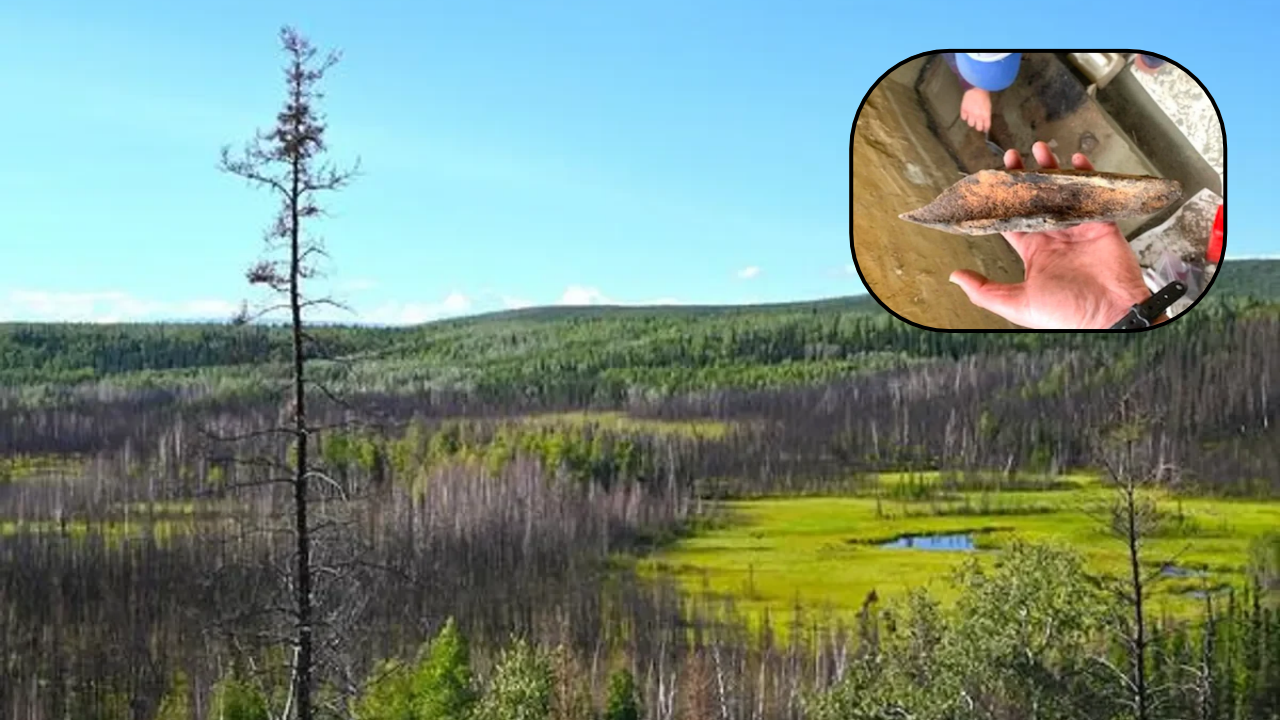
Walk onto a scorched heathland or woodland a week after a major wildfire, and your gut tells you everything is dead. The smell of wet ash hangs in the air, the ground looks like crushed charcoal, and the silence is heavy.
When local wardens or conservationists say a fire-hit nature reserve "will never be the same," headlines usually treat it like a funeral notice. That reaction makes complete sense emotionally, yet ecologically, it's only half the story. You might also find this similar article interesting: What a 13,800-Year-Old Alaska Campsite Actually Proves About the First Americans.
Nature doesn't hit a reset button after a severe burn. Instead, the ecosystem shifts onto an entirely different track, losing irreplaceable old-growth features while unlocking habitat conditions that hadn't existed on that site for decades. If you care about wildlife conservation, understanding that trade-off matters way more than mourning a static postcard version of the land.
Why Wardens Say a Burned Reserve Won't Return to Normal
Conservation managers aren't being dramatic when they warn that a site has changed permanently. They're looking at specific biological clocks that simply can't be rushed, no matter how much money or volunteer labor you throw at a restoration budget. As discussed in latest articles by NPR, the results are notable.
Take mature trees and deep peat soils. In temperate woodlands and lowland heath, centuries-old oaks, ancient hedgerows, and thick organic soil layers act as living archives. A fast-moving surface fire might only singe the bark of a veteran tree, leaving its canopy intact the following spring. A slow, deep-burning ground fire is a different beast altogether. When drought dries out the humus layer, flames smolder underground for weeks, cooking root systems and sterilizing the seed bank in the top few inches of soil.
You can't replant a 200-year-old veteran tree with its rot holes, bat roosts, and specialized fungal networks. Once those microhabitats burn away, any species relying on them loses its home until new trees grow old enough to decay—a timeline measured in human lifetimes, not grant cycles.
Soil chemistry changes too. Intense heat vaporizes organic matter and alters how water moves through the ground. Some burned soils actually become hydrophobic, meaning they repel water like a waxed jacket. When heavy autumn rain finally hits a hydrophobic slope, water sheets off the surface instead of soaking in, washing nutrient-rich ash straight into nearby streams and triggering secondary fish kills downstream.
The Ecological Myth of Total Destruction
Here's where public perception splits sharply from field ecology. People see black earth and assume biological zero. In reality, fire is one of the oldest disturbances on Earth, and countless plant and insect species evolved specifically to exploit the aftermath.
I've walked through burned heathland in southern England and pine barrens in North America six months after devastating blazes, and the speed of the initial green-up catches almost everyone off guard. Bracken, purple moor-grass, and fireweed—literally named for its habit of colonizing burn sites—push through the soot within weeks of the first decent rainfall.
Why does that happen? Because fire removes the thick canopy and dense leaf litter that normally block sunlight from reaching the soil surface. Suddenly, dormant seeds that have waited underground for thirty or forty years get warmth, light, and a sudden pulse of potassium and phosphorus from the ash.
- Early-successional plants surge in the first two seasons, creating a low, open structure that dense scrub had choked out.
- Ground-nesting birds like nightjars, woodlarks, and lapwings often favor the open, patchy terrain created once vegetation begins to regrow, provided predators don't overwhelm them.
- Saproxylic insects—beetles, wasps, and flies that depend on dead or dying wood—arrive almost before the embers cool. Certain jewel beetles in the genus Melanophila actually possess infrared sensors near their legs that let them detect forest fires from miles away so they can lay eggs in freshly killed timber.
Calling a burned reserve "ruined" ignores the hundreds of specialist organisms that struggle to survive in overgrown, unburned reserves. The reserve isn't dead. It has simply been shoved backward along the timeline of ecological succession.
What Actually Drives Severe Reserve Fires Today
If fire can benefit certain species, why are conservationists so alarmed right now? Because the type and frequency of fires hitting modern nature reserves have drifted far outside historical norms.
Historically, low-intensity fires cleared out dead brush every few decades without destroying the underlying soil structure. Today, two overlapping pressures turn manageable brush fires into catastrophic burns.
First, climate shifts are producing longer spring and summer dry spells punctuated by extreme heatwaves. Vegetation cures into tinder far earlier in the year, and overnight humidity no longer recovers enough to slow flames down after sunset. According to data tracked by the European Forest Fire Information System (EFFIS) and national forestry agencies, fire seasons across temperate regions have stretched by weeks over the past twenty years, hitting protected areas that rarely burned in the twentieth century.
Second, human activity lights the vast majority of these blazes. Unlike lightning-sparked fires in remote wilderness, fires in suburban or accessible nature reserves almost always trace back to discarded glass, disposable barbecues, campfires, or deliberate arson. Because these reserves often sit as fragmented islands surrounded by farmland, roads, and housing estates, wildlife can't easily flee to adjacent wild land—and once a local population of slow-moving reptiles or rare invertebrates wipes out, there's no neighboring population left to recolonize the site.
The Hidden Vulnerability of Fragmented Reserves
Think about what happens to a sand lizard, a smooth snake, or a flightless ground beetle when a fire sweeps across a 300-acre isolated reserve. Birds fly away. Deer bolt across the road. Small, ground-dwelling animals with tiny home ranges get trapped between the fire front and a perimeter fence or highway.
In an unfragmented landscape, survivors from untouched pockets gradually drift back into the burn scar over five or ten years. On an isolated reserve where 80 or 90 percent of the habitat burned in a single afternoon, local extinction becomes a very real risk. Conservation teams sometimes have to reintroduce reptiles or rare butterflies by hand years later, once the heather or grassland grows tall enough to offer cover again.
How Conservation Teams Manage the Aftermath
Once the fire brigade packs up its hoses, reserve wardens face a tricky balancing act. Doing too much too quickly can cause just as much damage as doing nothing at all.
Resist the Urge to Immediately Replant
Visitors often ask when volunteers will start planting new trees. Honestly, aggressive tree planting right after a fire is frequently a mistake. Heavy machinery compacts fragile, ash-covered soil, and bringing in nursery stock risks introducing soil-borne pathogens like Phytophthora into an already stressed ecosystem.
Most restoration ecologists prefer to let natural regeneration lead during the first twelve to twenty-four months. Watching what sprouts on its own tells wardens whether the native seed bank survived or whether invasive species—like rhododendron, birch scrub, or non-native grasses—are taking over the bare ground.
Stabilize Slopes and Protect Waterways
Immediate intervention focuses on physical damage control rather than cosmetic greening. If a fire burned steep slopes above a wetland, chalk stream, or sensitive bog, wardens install coir logs, heather bales, or temporary silt traps to stop ash runoff from choking aquatic habitats.
Rebuild Firebreaks and Grazing Regimes
A major blaze usually exposes weaknesses in how a reserve was managed before the fire. Thick, uniform stands of old heather or gorse act like fuel highways, allowing flames to race across an entire site unchecked.
To prevent a repeat disaster five years down the line, managers typically cut wider, segmented firebreaks and reintroduce targeted conservation grazing. Hardy cattle, ponies, or sheep browse back aggressive grasses and prevent woody scrub from forming a continuous, flammable blanket. Controlled, cool-season prescribed burns—conducted in small patches during late winter—also break up fuel loads so any future accidental fire runs out of steam quickly.
What You Can Actually Do to Protect Local Reserves
You don't need an ecology degree to make a measurable difference to how vulnerable your local nature reserves are during dry weather. Most catastrophic reserve fires are completely preventable, and public behavior around protected land shapes whether a spark turns into a headline.
- Leave open flames and disposable grills at home. Never bring portable barbecues, camping stoves, or fireworks onto heathland, moorland, or woodland reserves—even on gravel paths or cleared picnic spots. Radiant heat from a foil tray sitting on dry turf can ignite peat underground hours after you leave.
- Pack out every piece of glass and litter. Clear glass bottles focus sunlight tightly enough to ignite dry grass on a hot afternoon, and cigarette butts smolder quietly in leaf litter long after being dropped.
- Report smoke immediately with exact grid references. If you spot wisps of smoke rising from a reserve, call emergency services right away instead of assuming someone else already reported it. Use free apps like what3words or your phone's compass coordinates so fire crews know which access gate to use—lost minutes at the wrong trailhead cost dozens of acres.
- Respect temporary post-fire trail closures. Walking off-path across burned ground crushes emerging seedlings, collapses exposed burrows, and kicks loose ash into the wind. Stick strictly to marked routes until wardens reopen damaged sections.
- Support local wildlife trusts and volunteer work parties. Many reserves rely on weekend volunteers to clear invasive scrub, maintain firebreaks, and monitor wildlife recovery during the critical first three years after a burn.
A fire-hit nature reserve genuinely won't look like its old self again, and pretending otherwise insults the real losses suffered by slow-growing trees and vulnerable wildlife. Yet writing off a burned landscape as a total loss misses the resilience built into the natural world. Give the soil time to settle, keep boots and sparks off the fragile regrowth, and watch how fiercely life reclaims the black earth on its own terms.